Biscuits and Gravy Breakfast Casserole: Savory and Fluffy

- Time: Active 15 minutes, Passive 30 minutes, Total 45 minutes
- Flavor/Texture Hook: Flaky, buttery biscuit tops that shatter over a silky, savory egg layer
- Perfect for: Weekend family brunch or stress free holiday morning meal prep
- The Biscuits and Gravy Breakfast Casserole
- Texture and Structure Mechanics
- Component Deep Dive
- Gathering Your Elements
- Required Kitchen Gear
- Step By Step Method
- Managing Texture Issues
- Scaling For Crowds
- Common Brunch Misconceptions
- Storage and Scraps
- Perfect Brunch Pairings
- Very High in Sodium
- Recipe FAQs
- 📝 Recipe Card
The Biscuits and Gravy Breakfast Casserole
Listen, you've probably been told that the only way to get a "real" brunch on the table is to stand over a stove for two hours, hand cutting cold butter into flour for homemade biscuits while your coffee gets cold. Forget that noise.
There is a common myth in the kitchen that canned biscuits are a "shortcut" that compromises the final dish, but here is the truth: for this specific bake, those refrigerated flaky layers are actually superior.
They have a specific engineered leavening that allows them to puff up beautifully even when they are half submerged in a heavy, savory gravy.
I remember the first time I tried making this using a scratch made dough. It was a disaster. The moisture from the egg custard and the weight of the sausage gravy turned my beautiful handmade biscuits into leaden lumps of dough. It was heart breaking.
But when I switched to those reliable 16.3 oz cans of flaky buttermilk biscuits, everything changed. The tops achieved that iconic golden shatter, while the bottoms stayed tender without becoming a gummy mess. It is all about how the fats in the pre made dough react to the heat.
This dish is the ultimate morning victory because it solves the "cold gravy" problem. We have all been there, plate in hand, only to find the gravy has set into a thick paste before you can even take a bite.
By baking everything together, the gravy stays at a velvety, molten temperature, and the flavors of the smoked paprika and nutmeg actually have time to meld with the pork sausage. It is hearty, it is energetic, and it smells like a literal dream as it comes out of the oven.
Texture and Structure Mechanics
Understanding the physics of a bake like this makes you a better cook, period. We aren't just tossing things in a pan, we are building layers that serve specific purposes. It's a vertical architecture of flavor.
- Starch Gelatinization: The shredded hashbrowns at the bottom act as a sponge. When you pour the egg custard over them, the starches in the potatoes grab onto that moisture as they heat up, creating a solid, cohesive base that won't fall apart when you slice it.
- Roux Stability: Using the rendered fat from the pork sausage to toast the flour creates a stable emulsion. This prevents the milk from separating or thinning out during the 30 minutes of bake time.
- Steam Powered Rise: As the oven hits 400°F, the moisture in the biscuit dough turns to steam, pushing those pre laminated layers apart. Because the biscuits are quartered, they have more surface area to crisp up.
- Protein Set: The eggs provide the "glue" for the middle layer. Whisking them with whole milk ensures they stay soft and custardy rather than rubbery.
| Servings | Ingredient Adjustments | Pan Size | Cook Time |
|---|---|---|---|
| 4 People | 0.5 lb sausage, 1 cup hashbrowns | 8x8 inch square | 25 minutes |
| 8 People | 1 lb sausage, 2 cups hashbrowns | 9x13 inch rectangle | 30 minutes |
| 16 People | 2 lbs sausage, 4 cups hashbrowns | Two 9x13 pans | 35 minutes |
When you are feeding a crowd, the 9x13 pan is your best friend. If you decide to double this for a huge neighborhood gathering, don't try to cram it all into one deep dish. You need that surface area so the biscuits can get crispy. If the pan is too deep, the middle will stay raw while the edges burn.
Component Deep Dive
Every single item in this biscuits and gravy breakfast casserole has a job to do. If you skip the nutmeg, you lose that classic "diner" profile. If you don't dry the potatoes, you get a soggy bottom. It is the little things that make the difference between a good meal and a legendary one.
| Ingredient | Science Role | Pro Secret |
|---|---|---|
| Pork Sausage | Primary fat and protein source | Brown it until it is mahogany, not just gray, for deep flavor. |
| Shredded Hashbrowns | Foundation and moisture absorber | Thaw and squeeze them in a paper towel to prevent a watery base. |
| All Purpose Flour | Thickening agent for the gravy roux | Cook the flour with the meat for 60 seconds to remove the raw taste. |
| Ground Nutmeg | Flavor enhancer and aromatic | This is the "secret" that makes the gravy taste professional. |
Selecting your pork sausage is actually a huge decision. I always go for a "breakfast" or "country" style grind. You want that specific sage and black pepper profile. If you are feeling adventurous, you can even check out my Sausage Breakfast Casserole recipe which uses a slightly different spice blend if you want to compare notes on flavor profiles.
Gathering Your Elements
Right then, let's look at what you need to pull from the pantry. Everything here is straightforward, but quality matters. Don't go for the low-fat milk here, you need the fat for the velvety texture we are after.
- 1 lb ground pork breakfast sausage: Look for a high-quality brand that doesn't have too much added water.
- 2 cups shredded hashbrowns: Use the frozen kind, but make sure they are thawed and, most importantly, bone dry.
- 1/2 tsp smoked paprika: This adds a tiny hint of campfire warmth to the egg layer.
- 6 large eggs: Fresh is best for a fluffy rise.
- 1/2 cup whole milk (for eggs): This thins the custard just enough to seep into the potatoes.
- 1/2 tsp sea salt: I prefer sea salt for its clean mineral finish.
- 1 tsp coarse black pepper: Don't be shy with the pepper; it's the backbone of gravy.
- 1/4 cup all purpose flour: This is the "glue" for your gravy.
- 2 cups whole milk (for gravy): The fat content here is non negotiable for a silky result.
- 1/4 tsp ground nutmeg: Just a pinch transforms the whole dish.
- 16.3 oz refrigerated flaky buttermilk biscuits: One standard large can.
- 1 cup sharp cheddar cheese: Freshly shredded melts better than the bagged stuff.
| Original Ingredient | Substitute | Why It Works |
|---|---|---|
| Pork Sausage | Turkey Sausage | Lower fat, but you may need to add 1 tbsp oil for the roux. |
| Whole Milk | Heavy Cream | Creates an even richer, more decadent gravy. |
| Shredded Hashbrowns | Tater Tots | Adds more crunch. Note: Increase bake time by 5 mins. |
| Sharp Cheddar | Pepper Jack | Adds a spicy kick that pairs well with the sausage. |
If you are looking for a variation that leans even harder into the potato side of things, you might want to look at this Breakfast Casserole for 10 recipe for a different texture experience. It uses a similar logic but swaps the biscuits for that iconic tot crunch.
Required Kitchen Gear
You don't need a professional kitchen to nail this, but a few specific tools make the process much smoother. First, a heavy bottomed skillet is essential for browning that sausage. A cast iron pan (like a Lodge) is brilliant because it holds heat so well, ensuring the sausage gets that mahogany crust we want.
You will also need a solid 9x13-inch baking dish. Glass or ceramic works perfectly here. I also highly recommend a pair of kitchen shears. Trying to cut raw biscuit dough with a knife is a sticky, frustrating mess.
Shears allow you to snip the dough into quarters in seconds without squishing all the air out of the layers. Finally, a sturdy whisk is your best friend when it comes to the gravy. You want to make sure there are zero flour lumps before you put that pan in the oven.
step-by-step Method
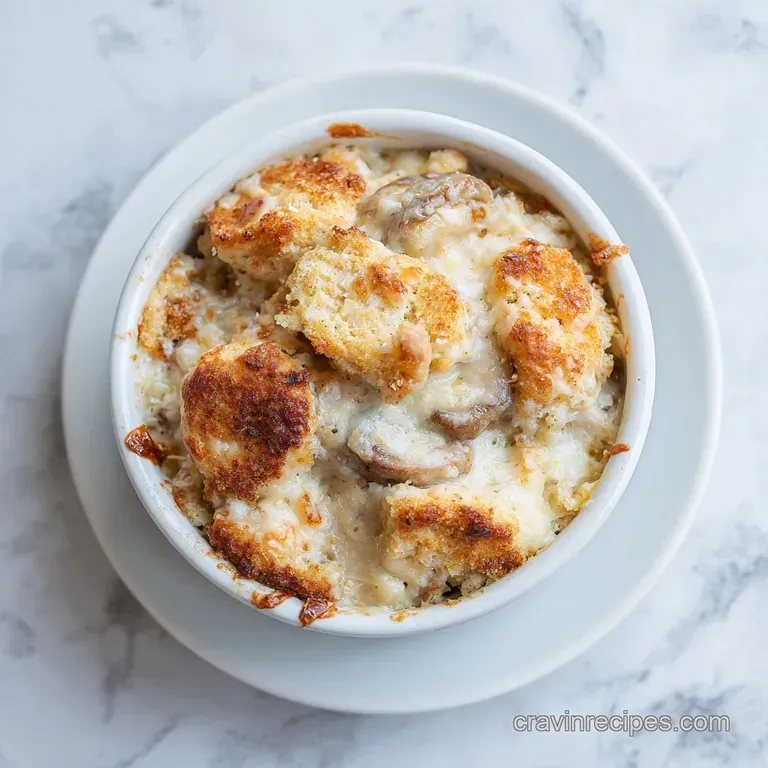
Ready to cook? Let's get that oven preheated to 400°F (200°C). This high heat is what gives the biscuits their initial "pop" and ensures the hashbrowns actually cook through rather than just steaming in the eggs.
- Preheat your oven and grease your 9x13-inch baking dish generously with butter or non stick spray. Note: This prevents the egg layer from sticking to the corners.
- In your large skillet over medium high heat, brown the pork sausage. Wait for the sizzle and don't touch it for the first 2 minutes. You want that mahogany color. Do not drain the fat!
- Press the dried hashbrowns into the bottom of your dish in an even, flat layer.
- Whisk the eggs, 1/2 cup milk, sea salt, pepper, and smoked paprika in a bowl until frothy.
- Pour that egg custard over the hashbrowns, then sprinkle exactly half of your cooked sausage over the top.
- Return the skillet with the remaining sausage and fat to medium heat. Whisk in the flour and cook for 1 minute until it smells nutty and toasted.
- Slowly stream in the 2 cups of milk, whisking constantly. Add the nutmeg. Cook for 3-5 minutes until it coats the back of a spoon.
- Quarter your biscuits using shears and scatter them over the casserole.
- Pour that velvety gravy over everything, then top with the shredded cheddar.
- Bake for 30 minutes until the biscuits are golden brown and the egg center doesn't jiggle.
The aroma at step 7 is usually when my family starts wandering into the kitchen. That combination of toasted flour, pork fat, and a hint of nutmeg is the ultimate breakfast signal. When the casserole is done, it should look like a golden, bubbling landscape of cheesy goodness.
Managing Texture Issues
Even the best of us hit a snag sometimes. The biggest enemy of this dish is moisture management. If you don't treat those hashbrowns right, the whole thing can end up feeling more like a soup than a bake.
The Problem of the Soggy Bottom
If your casserole feels watery at the bottom, it usually means the hashbrowns weren't dried enough or the eggs didn't set. Most frozen hashbrowns are packed with water to keep them from browning in the bag. When they thaw, that water has to go somewhere. If it stays in the pan, it dilutes the egg custard.
Next time, wrap the thawed potatoes in a clean kitchen towel and squeeze like your life depends on it.
Dealing With Burnt Biscuit Tops
Sometimes an oven runs a little hot, or the sugar content in your specific brand of biscuits is high. If you notice the biscuits are getting dark brown at the 15 minute mark, don't panic. Simply tent the dish with a piece of aluminum foil.
This allows the eggs and potatoes to continue cooking through without turning your biscuits into charcoal.
| Problem | Root Cause | Solution |
|---|---|---|
| Lumpy Gravy | Milk added too fast | Whisk vigorously or use an immersion blender before pouring. |
| Greasy Texture | Sausage fat was excessive | If there is more than 3 tbsp of fat, drain a little before adding flour. |
| Rubbery Eggs | Overbaked at too low temp | Stick to 400°F for 30 mins; high and fast is better for moisture. |
The common mistakes checklist is your final defense against a brunch fail. I've made every single one of these at least once, so trust me on this.
- ✓ Thaw and squeeze hashbrowns until completely dry (essential for crispness).
- ✓ Leave the sausage fat in the pan for the gravy (that is where the flavor lives!).
- ✓ Don't skip the nutmeg; it's the bridge between the pork and the cream.
- ✓ Use kitchen shears for the biscuits to keep the layers airy.
- ✓ Let the casserole rest for 5 minutes after baking so the layers set properly.
Scaling For Crowds
If you are cooking for a huge holiday morning, you can definitely scale this up, but you have to be careful with the liquid ratios. For a 2x batch, you'll want to use two separate 9x13 pans. Trying to bake a double batch in one massive deep dish is a recipe for a raw middle.
When scaling down for a quiet morning for two, a 1/4 batch works beautifully in a small toaster oven sized dish. Just remember that smaller portions cook faster. Start checking the eggs at about 18 minutes. If you are doing a half batch, you can use a standard 8x8 square pan.
Just beat 3 eggs and keep everything else proportional. For spices, don't just double them blindly. Start with 1.5x the salt and pepper and adjust based on the smell and taste of your gravy.
Common Brunch Misconceptions
People love to argue about the "right" way to make biscuits and gravy. One big myth is that you have to drain the sausage fat. Honestly, don't even bother. That fat is liquid gold. It contains all the spices from the meat and is the perfect base for your roux.
If you drain it and use butter instead, you're just losing flavor.
Another myth is that you need a slow cooker for a breakfast bake. While slow cookers are great for some things, they are the enemy of the biscuit. You want the dry, circulating heat of an oven to get that "shatter" on the biscuit tops. In a slow cooker, the biscuits just steam and turn into dumplings.
While tasty, it's a completely different dish. We want the contrast between the silky gravy and the crispy bread.
Storage and Scraps
If you actually have leftovers (a rare occurrence at my house), this casserole stores surprisingly well. Keep it in an airtight container in the fridge for up to 3 days. When you reheat it, I suggest using the oven or an air fryer at 350°F for about 10 minutes.
The microwave works in a pinch, but it will make the biscuits soft again.
For zero waste, don't throw out those tiny crumbs of sausage or the leftover egg wash. If you have extra hashbrowns, fry them up as a side dish the next day. Any leftover gravy can be frozen in an ice cube tray!
Next time you are making a simple fried egg, pop a "gravy cube" into a small pan to melt, and you have an instant gourmet topping for your toast.
Perfect Brunch Pairings
While this biscuits and gravy breakfast casserole is a powerhouse on its own, it loves company. Because it is so rich and savory, I always pair it with something bright and acidic.
A big bowl of fresh citrus think grapefruit segments or blood oranges cuts through the heavy cream and sausage fat perfectly.
If you want to keep the savory train rolling, a simple side of crisp greens with a lemon vinaigrette might sound weird for breakfast, but it's brilliant. It refreshes the palate between bites of that velvety gravy. And of course, a carafe of strong, dark roast coffee is mandatory. The bitterness of the coffee balances the sweetness of the milk and the buttery biscuits in a way that just feels like a hug for your brain. If you're looking for more inspiration on how to build a full spread, my Sausage Gravy for 6 recipe post has some great tips on traditional sides that work here too.

Very High in Sodium
1112 mg of sodium (48% of daily value)
The American Heart Association recommends limiting sodium intake to less than 2,300mg per day, with an ideal limit of less than 1,500mg per day for most adults.
Tips to Reduce Sodium
-
Choose Lower Sodium Sausage-25%
Opt for pork breakfast sausage labeled 'low sodium' or 'reduced sodium'. This can significantly cut down the sodium contribution from the processed meat.
-
Use Reduced Sodium Cheese-15%
Substitute the sharp cheddar cheese with a 'reduced sodium' sharp cheddar cheese. This will lower the sodium from the cheese without a drastic change in flavor.
-
Halve the Added Salt-10%
Reduce the added sea salt from 1/2 tsp to 1/4 tsp. The sausage and cheese already contribute significant sodium, making this adjustment less noticeable.
-
Boost Flavor with Herbs and Spices
Enhance the flavor profile by increasing the use of smoked paprika and black pepper, and consider adding other no-sodium seasonings like garlic powder or onion powder.
-
Use Unsalted Milk-5%
Ensure you are using unsalted whole milk for both the egg mixture and the biscuit preparation. While milk has natural sodium, unsalted varieties are typically lower.
Recipe FAQs
How to ensure the biscuits are perfectly golden?
Bake at 400°F until the tops are deep golden brown. This high temperature is essential to create enough steam for the biscuits to puff up and achieve a crisp exterior while the eggs set underneath.
Can I prepare this casserole ahead of time?
Yes, but assemble it just before baking. If you let the raw biscuit pieces sit in the liquid for too long, they will absorb too much moisture and lose their flaky texture during the 30-minute bake time.
How to achieve the best consistency for the gravy?
Whisk the flour into the sausage fat thoroughly before adding the milk. By creating a smooth roux, you ensure the gravy thickens into a velvety consistency; if you enjoyed this technique, see how we apply the same principles of thickening to achieve a perfectly smooth sauce.
How to prevent the hashbrowns from getting soggy?
Pat the thawed hashbrowns completely dry with paper towels. Removing excess surface moisture is the secret to getting a firm texture at the base of your casserole instead of a mushy layer.
Is it true I should drain the sausage fat before making the gravy?
No, this is a common misconception. You must keep the rendered fat in the skillet to combine with the flour, as that fat is the essential foundation for creating the roux that thickens your gravy.
How to reheat leftovers without losing the texture?
Use your oven or air fryer set to 350°F for 10 minutes. While the microwave is faster, it will soften the biscuits significantly, whereas dry heat helps restore some of their original crispness.
How to tell when the casserole is finished baking?
Look for the biscuits to reach a golden brown color and the center to feel firm. Because the total bake time is 30 minutes, checking that the egg custard is fully set ensures the casserole holds its shape when you scoop out a serving.
Biscuits And Gravy Breakfast Casserole

Ingredients:
Instructions:
Nutrition Facts:
| Calories | 487 kcal |
|---|---|
| Protein | 23.1 g |
| Fat | 28.1 g |
| Carbs | 35.5 g |
| Fiber | 1.5 g |
| Sugar | 4.4 g |
| Sodium | 1112 mg |
