Fluffy Pancakes: the Ultimate Cloud-Rise Recipe
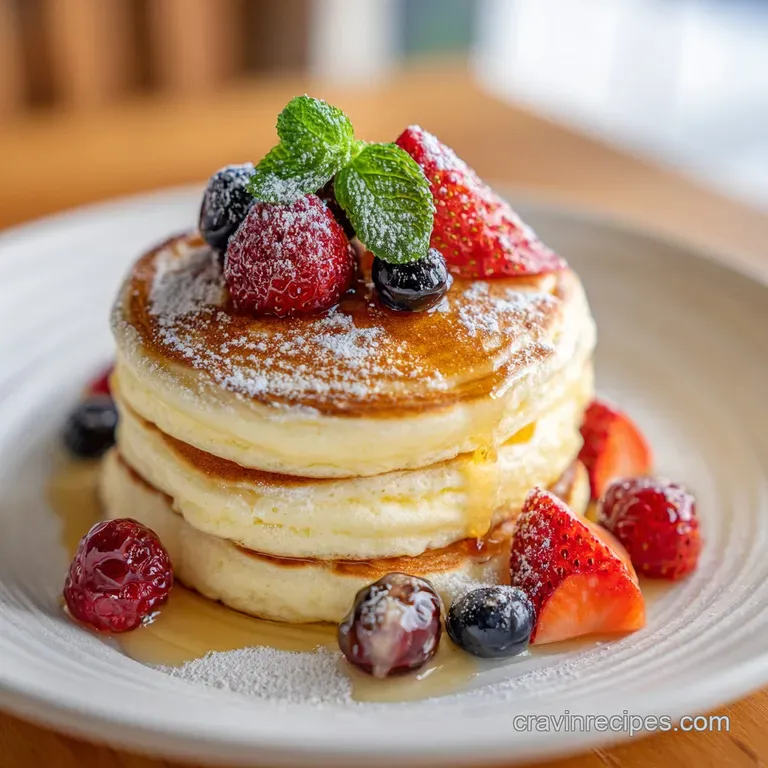
- Time: Active 5 minutes, Passive 10 minutes, Total 15 minutes
- Flavor/Texture Hook: Cloud like interior with a golden, toasty exterior
- Perfect for: Slow Saturday mornings or a high energy weekday brunch
- Techniques for Incredible Fluffy Pancakes
- Essential Morning Recipe Specs
- How the Bubbles Stay Trapped
- The Best Ingredient Selections
- Tools for Better Griddle Results
- Step by Step Cooking Method
- Fixes for Common Cooking Errors
- Simple Recipe Dietary Adaptations
- Fresh Storage and Reheating Tips
- Creative Brunch Serving Ideas
- Very High in Sodium
- Recipe FAQs
- 📝 Recipe Card
Techniques for Incredible Fluffy Pancakes
Imagine waking up to the rhythmic sound of a whisk hitting a ceramic bowl and the faint, sweet scent of vanilla drifting through the hallway. There is a specific moment in the morning when the kitchen feels quiet and expectant, right before the first ladle of batter hits the hot griddle.
That initial sizzle is more than just a sound; it is the promise of a comforting, warm meal that makes the whole house feel alive.
We have all been there, staring at a plate of sad, rubbery discs that feel more like coasters than breakfast. I remember one specific morning when I over mixed the batter so aggressively that the results were basically edible frisbees.
It was a lesson learned the hard way, but it taught me that the secret to the loftiest stack isn't just about the heat, but about the gentle handling of the ingredients. You want a texture that is velvety and light, something that feels like a hug on a plate.
This recipe is designed to give you that thick, pillowy result every single time without the stress. We are going for height, flavor, and that beautiful springy touch that lets you know the center is fully cooked but still moist.
By the time you finish this guide, you will be flipping with the confidence of a short order cook, filling your home with the intoxicating aroma of toasted butter and sweet malted flour.
Essential Morning Recipe Specs
Getting the timing right is the difference between a relaxing brunch and a frantic scramble. These pancakes are surprisingly fast, taking only 15 minutes from the moment you grab the flour to the moment you pour the syrup.
Because the prep is so lean, you can focus entirely on the heat management of your pan, which is where the magic really happens.
| Method | Total Time | Resulting Texture | Ideal Scenario |
|---|---|---|---|
| This Fast Method | 15 minutes | Light, airy, and springy | Busy mornings and hungry kids |
| Traditional Yeast | 1 hours 30 mins | Chewy and slightly tangy | Weekend projects with extra time |
| Japanese Soufflé | 45 minutes | Extremely fragile and tall | Special occasions and food photos |
The beauty of this specific approach is that it mimics the height of more complex recipes without requiring you to whip egg whites for twenty minutes. We are leaning on chemistry to do the heavy lifting for us.
This allows you to get that "wow" factor stack on the table while the coffee is still hot, which is honestly the biggest win any home cook can ask for during the early hours.
How the Bubbles Stay Trapped
Understanding what happens inside the batter helps you realize why we treat it so gently. It is not just about mixing; it is about managing gas and structure. If you are looking for a way to streamline this even further, you can actually prepare a homemade mix in bulk, which uses these same principles to ensure a consistent rise every time you cook.
- Double Leavening Lift: Using both baking powder and baking soda creates an immediate reaction when liquid hits the bowl and a secondary burst of lift once the batter feels the heat of the pan.
- Gluten Suppression: By stopping the mixing process while lumps still exist, we prevent the flour proteins from forming a tight, elastic web that would otherwise make the crumb tough and chewy.
- The Fat Barrier: Melted butter coats the flour particles, which physically interferes with gluten formation and adds a rich, velvety mouthfeel to every bite.
| Component | Role in the Pan | Pro Secret |
|---|---|---|
| Baking Powder | Provides the primary rise | Use aluminum free for a cleaner taste |
| Buttermilk/Milk | Activates the baking soda | Room temp liquid blends much smoother |
| Egg | Bonds the structure | Beating it first ensures even distribution |
When the cold batter hits that 1 tbsp of neutral oil in the hot skillet, the liquid inside expands into steam. Simultaneously, the leaveners release carbon dioxide. Because we haven't over worked the dough, those bubbles are trapped in a soft, tender matrix of flour and fat, creating that signature "shatter" on the edges and a cloud like interior.
The Best Ingredient Selections
Precision is your best friend when it comes to the dry to liquid ratio. I always use a kitchen scale for the 250g of flour because a "cup" can vary wildly depending on how tightly you pack it. If you pack the flour, your pancakes will be heavy; if you sift it, they might be too thin.
Stick to the weights if you can for that consistent, reliable "pouf" on the griddle.
- 2 cups (250g) All purpose flour: The structural foundation. Why this? Provides enough protein for height without being overly heavy.
- 3 tbsp (38g) Granulated sugar: For browning and sweetness. Why this? Caramelizes on the surface for a golden, toasty crust.
- 2 tsp Baking powder: The primary lifting agent. Why this? Creates the initial air pockets in the batter.
- 1 tsp Baking soda: The browning and secondary lift agent. Why this? Reacts with acidity for extra fluffiness and color.
- ½ tsp Fine sea salt: The flavor enhancer. Why this? Balances the sugar and makes the vanilla pop.
- 1 ½ cups (355ml) Whole milk or Buttermilk: The hydration. Why this? Buttermilk adds tang; whole milk keeps it classic and creamy.
- 1 Large egg: The binder. Why this? Holds the air bubbles in place as they expand.
- 4 tbsp (56g) Unsalted butter: The flavor and tenderness. Why this? Melted and cooled to prevent cooking the egg prematurely.
- 1 tsp Pure vanilla extract: The aromatic. Why this? Provides that nostalgic, bakery style scent.
- 1 tbsp Neutral oil: The frying medium. Why this? Higher smoke point than butter prevents burnt edges.
| Original Ingredient | Substitute | Why It Works |
|---|---|---|
| Whole Milk | Oat Milk (Full Fat) | Similar viscosity. Note: Adds a slight toasted grain flavor to the stack. |
| Unsalted Butter | Refined Coconut Oil | Solid at room temp, liquid when warm. Note: Result is slightly crisper. |
| Sugar | Honey or Maple Syrup | Natural sweetness. Note: Batter will brown much faster; lower the heat. |
Tools for Better Griddle Results
You don't need a professional kitchen, but a few specific items make this 15 minute process significantly smoother. A heavy bottomed skillet, like a seasoned cast iron or a high-quality non stick griddle, is non negotiable.
These tools hold onto heat, meaning that when you drop cold batter onto the surface, the temperature doesn't plummet.
A thin, flexible spatula is also a game changer. You want something that can slide effortlessly under the delicate edges without deflating the air you worked so hard to keep inside.
I personally love using a 1/3 cup measuring scoop to portion the batter because it ensures every pancake is the same size, which means they all finish cooking at exactly the same time.
step-by-step Cooking Method
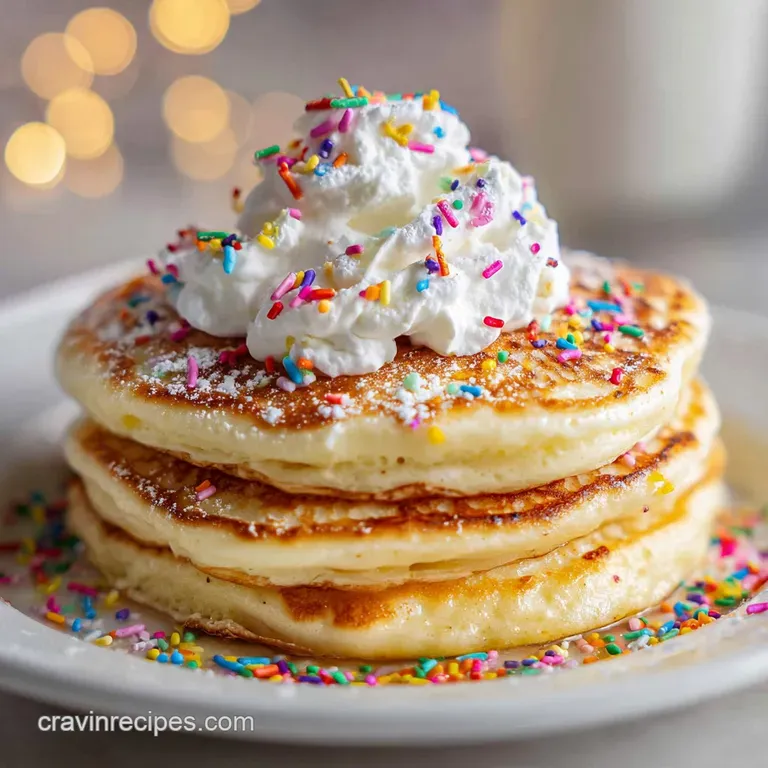
Success here is all about the sequence. We start with the dry base, move to the liquids, and then perform the most important "gentle fold" you will ever do in your kitchen.
- Whisk the dry base. In a large mixing bowl, whisk together the 2 cups all purpose flour, 3 tbsp sugar, 2 tsp baking powder, 1 tsp baking soda, and 1/2 tsp fine sea salt until evenly distributed. Note: This ensures no clumps of baking soda end up in a single bite.
- Combine the liquid gold. In a separate medium bowl, beat the 1 large egg then whisk in the 1 1/2 cups milk, 4 tbsp cooled melted butter, and 1 tsp vanilla extract.
- Perform the gentle fold. Pour the liquid mixture into the dry ingredients. Use a spatula to gently fold the mixture exactly 10 12 times. Stop as soon as the flour streaks disappear; the batter should remain lumpy.
- Heat the frying surface. Heat a non stick griddle or heavy bottomed skillet over medium heat and lightly coat with 1 tbsp neutral oil. Wait until the oil shimmers slightly.
- Ladle the batter. Ladle approximately 1/3 cup of batter per pancake onto the hot surface.
- Watch for the bubbles. Cook until large bubbles form on the surface and the edges appear set. Smell for the aroma of toasted sugar.
- The precision flip. Carefully flip the pancakes and cook the other side for another 1-2 minutes until golden brown and the center is springy.
- Check for doneness. Press the center lightly; if it bounces back immediately, it is ready.
- Serve while steaming. Transfer to a warm plate and repeat with the remaining batter.
Activating the Double Leavening Lift
When you whisk that baking powder and soda into the flour, you are setting up a chemical minefield of fluffiness. The moment the milk hits the bowl, the first reaction starts. This is why you shouldn't let the batter sit for too long.
If you wait 30 minutes to start cooking, you lose that initial burst of carbon dioxide, and your stack will be significantly shorter.
Protecting the Aerated Structure
This is where most people fail. Those lumps in the batter? They are your friends. Each time you stir, you are developing gluten. Ten to twelve folds is usually all it takes to get the flour wet.
If you mix until the batter is smooth, you have essentially made bread dough, and the result will be a rubbery, tough texture that no amount of syrup can fix.
Mastering the Thermal Shock
The pan needs to be hot enough to make the batter "jump" but not so hot that the outside burns before the middle sets. I like to test the pan with a tiny drop of water; if it dances and evaporates instantly, you are in the sweet spot.
The oil should be thin and barely visible, providing just enough lubrication to create that delicate, crispy lattice on the bottom of the pancake.
Fixes for Common Cooking Errors
If your first pancake looks a bit wonky, don't panic. The "first pancake rule" is real usually, the pan is just finding its thermal equilibrium. However, if the entire batch is struggling, it is usually a matter of heat or hydration.
Why Your Pancakes Are Flat
If you are following the measurements and they still look like crepes, check the expiration date on your baking powder. It loses its potency after about six months. Another culprit is over mixing; if you whisked the batter until it was perfectly smooth, you popped all the bubbles that provide the lift.
| Problem | Root Cause | Solution |
|---|---|---|
| Burnt Outside, Raw Middle | Heat is too high | Lower flame to medium low; use a thicker pan. |
| Gummy Interior | Under cooked or too much liquid | Cook longer at lower heat; check flour measurements. |
| Tough or Rubbery | Over mixing the batter | Stop mixing while lumps are still visible. |
Common Mistakes Checklist
- ✓ Avoid over mixing: Stop at 12 folds even if it looks imperfect.
- ✓ Check leavener freshness: Test baking powder in hot water; it should bubble violently.
- ✓ Control the heat: If the oil starts smoking, the pan is too hot.
- ✓ Don't flip too early: Wait for the bubbles to actually pop and stay open on the surface.
- ✓ Wipe the pan: Between batches, wipe out any burnt bits and add a fresh drop of oil.
Simple Recipe Dietary Adaptations
Making these accessible for everyone doesn't mean you have to sacrifice that signature "fluffy" height. You just need to understand how different fats and flours interact with the leaveners.
Going gluten-free
To adapt this for a gluten-free diet, use a high-quality "1 to-1" flour blend that contains xanthan gum. gluten-free batters tend to absorb more liquid, so you might need to add an extra tablespoon of milk if the batter feels like paste.
The lack of gluten actually makes it harder to "over mix," but you still want to be gentle to keep the air in.
Creating Vegan Clouds
For a plant based version, replace the egg with a "flax egg" (1 tbsp ground flax mixed with 3 tbsp water) and use oat or almond milk. Instead of butter, use a neutral oil or a vegan butter stick.
The reaction between the baking soda and the acidity in a little bit of added apple cider vinegar (about 1 tsp) will help replicate the lift you usually get from dairy.
Fresh Storage and Reheating Tips
One of my favorite tricks for a busy week is making a double batch and freezing them. They hold up remarkably well and taste significantly better than anything you can buy in a box at the grocery store.
- Fridge
- Place in an airtight container for up to 3 days. To keep them from sticking, put a small piece of parchment paper between each one.
- Freezer
- Flash freeze them on a baking sheet for 1 hour, then toss them into a freezer bag. They will stay fresh for up to 2 months.
- Zero Waste Tip
- If you have leftover batter that you can't cook right away, don't toss it! You can actually stir in some chocolate chips and bake it in muffin tins at 350°F (180°C) for about 15 minutes for "pancake bites." Or, if you have extra cooked pancakes that are getting stale, tear them up and use them in a bread pudding style breakfast bake.
Reheating: Avoid the microwave if you want to keep the edges crisp. The best way to reheat is in a toaster or a 350°F (180°C) oven for about 5 minutes. This restores the exterior texture while keeping the inside soft.
| Serving Size | Flour Amount | Milk Amount | Best Pan |
|---|---|---|---|
| 2 People | 1 cup (125g) | 3/4 cup (177ml) | 10 inch Skillet |
| 4 People | 2 cups (250g) | 1.5 cups (355ml) | Large Griddle |
| 8 People | 4 cups (500g) | 3 cups (710ml) | Two Griddles |
Creative Brunch Serving Ideas
The classic butter and maple syrup combo is a legend for a reason, but sometimes a morning calls for something a bit more festive. If you really want to go all out, these fluffy pancakes make an incredible base for a massive brunch spread that includes bite sized cheesecakes and fresh fruit.
- The Classic Stack: Three pancakes, a thick slab of salted butter, and warmed Grade A maple syrup.
- The Power Breakfast: Top with Greek yogurt, a drizzle of almond butter, and sliced bananas for a protein heavy start.
- Berry Compote: Simmer a cup of frozen blueberries with a splash of lemon juice and a teaspoon of sugar until it thickens into a glossy, velvety sauce.
Whatever you choose to put on top, remember that the pancake itself is the star. When you pull that golden disc off the griddle, take a second to appreciate the aroma the way the sweet vanilla meets the salty butter.
It’s a simple pleasure, but on a busy morning, it’s exactly the kind of win that sets the right tone for the rest of your day. Right then, let's get that coffee poured and start flipping!
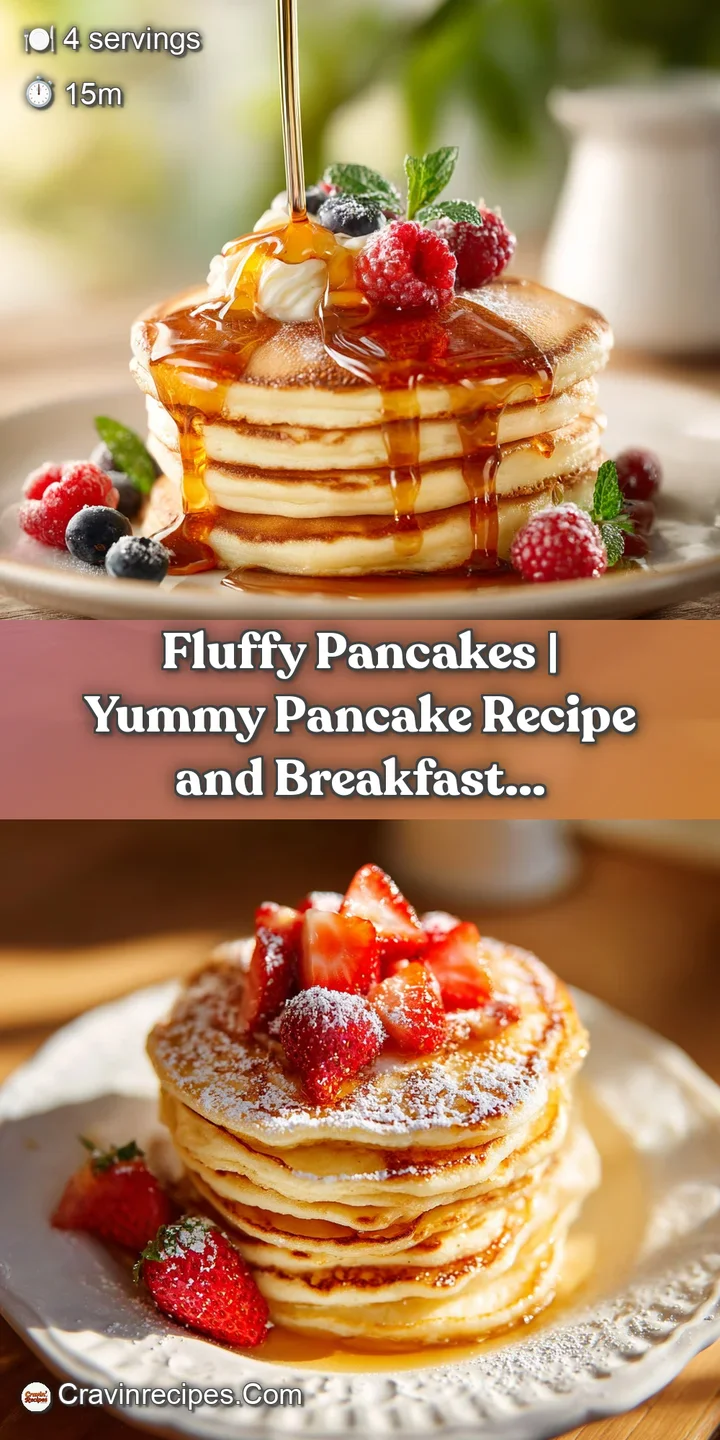
Very High in Sodium
838 mg 838 mg (36% 36% of daily value)
The American Heart Association recommends no more than 2,300mg of sodium per day for adults, with an ideal limit of less than 1,500mg.
Tips to Reduce Sodium
-
Reduce Salt-25%
Decrease the fine sea salt from 1/2 tsp to 1/4 tsp. This is the most direct way to lower sodium in this recipe. You can often reduce salt by half without significantly altering taste, especially in baked goods.
-
Choose Low-Sodium Dairy-5%
Opt for low-sodium whole milk or buttermilk if available. Some dairy products can contain added sodium, though this is less common for milk.
-
Boost Flavor with Herbs and Spices
Enhance the flavor of your pancakes by adding fresh or dried herbs and spices like cinnamon, nutmeg, or lemon zest. This adds complexity without adding sodium.
-
Consider Baking Powder and Soda-2%
While not the primary culprits, some baking powders and sodas can contain small amounts of sodium. Ensure you are using low-sodium varieties if they are available, although the impact will be minimal.
Recipe FAQs
Why is it so important to stop mixing after 12 folds?
Over mixing develops too much gluten, which turns pancakes rubbery instead of fluffy. If you enjoyed mastering the gentle fold here, you can apply that same technique for light results in our Sausage Breakfast Muffins.
How to tell when the pancake is ready to flip?
Wait for bubbles to form on the surface and pop, leaving small, open craters. The edges should also appear set and dry to the touch before you slide your spatula underneath.
Is it true I should let the batter sit for 30 minutes before cooking?
No, this is a common misconception. Because this recipe uses baking powder and baking soda, you should cook the batter immediately to ensure the chemical leaveners provide the maximum lift while the griddle is hot.
How to get perfectly golden brown edges every time?
Maintain steady medium heat and wipe the skillet between batches. Removing burnt flour bits prevents the next pancake from developing dark, bitter spots.
What if my pancakes are raw in the middle but burnt on the outside?
Reduce your heat slightly and ensure your pan is not smoking. A lower temperature allows the heat to penetrate the center of the batter without scorching the exterior before the middle sets.
How to properly store leftover pancakes?
Cool them completely on a wire rack before stacking them in an airtight container or bag. You can refrigerate them for two days or freeze them for up to a month for a quick breakfast.
Can I use buttermilk instead of regular milk?
Yes, buttermilk is an excellent swap that adds a pleasant tang. The acidity in the buttermilk also reacts more vigorously with the baking soda, often resulting in a slightly higher rise.
Cloud Rise Fluffy Pancakes
Ingredients:
Instructions:
Nutrition Facts:
| Calories | 460 kcal |
|---|---|
| Protein | 11.1 g |
| Fat | 18.6 g |
| Carbs | 61.6 g |
| Fiber | 1.8 g |
| Sugar | 13.9 g |
| Sodium | 838 mg |
