Soft Custardy Brioche French Toast Recipe
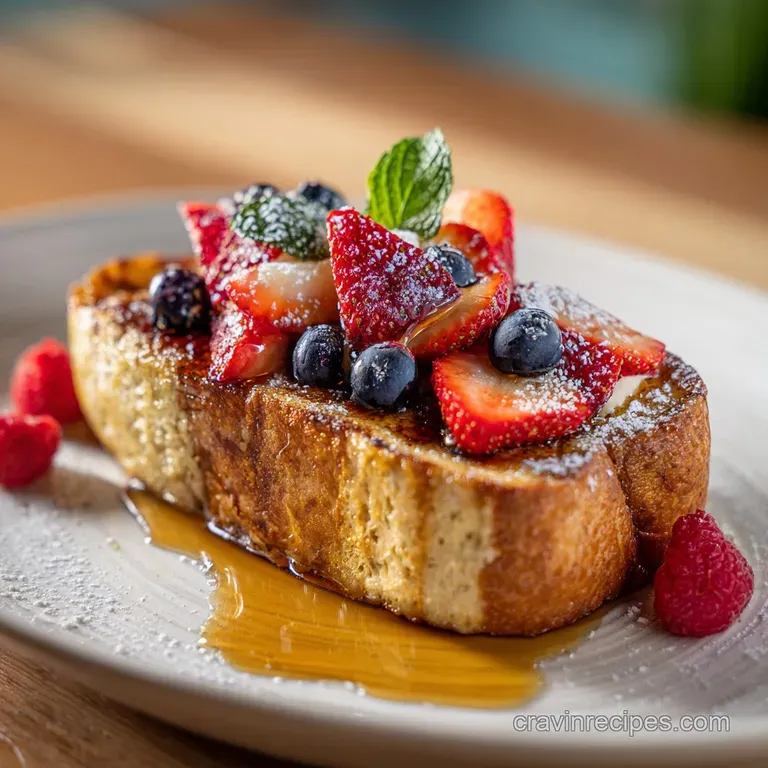
- Time: Active 10 minutes, Passive 15 minutes, Total 25 minutes
- Flavor/Texture Hook: Warm cinnamon spiced custard with a buttery, caramelized exterior
- Perfect for: Lazy Sunday brunch or a special holiday morning
- Master the Ultimate Brioche French Toast
- The Culinary Magic of a Golden Custard Crust
- Component Analysis of the Custard
- Essential Elements and Smart Substitutes
- Tools for a Successful Morning
- Step-by-Step Custard and Sizzle Guide
- Perfecting the Texture and Fixes
- Scaling for a Larger Morning Crowd
- Decision Shortcuts
- Versatile Flavor Variations
- Debunking Morning Kitchen Myths
- Storage Guidelines and Zero Waste
- Perfect Complements
- Recipe FAQs
- 📝 Recipe Card
Master the Ultimate Brioche French Toast
You know that specific sound when a thick slice of butter soaked bread hits a hot skillet? That rhythmic sizzle is basically the soundtrack to my favorite kind of morning. I remember the first time I tried making this for a group of friends.
I used fresh off-the shelf, pillowy brioche and soaked it until it was practically falling apart. The result? A literal mess of scrambled egg flavored mush that looked nothing like the golden brown beauties I'd seen in cafes.
It was a total disaster, but it taught me the most important lesson in the world of brunch: the bread has to be "thirsty."
After that soggy catastrophe, I spent months tweaking the ratio of heavy cream to milk and testing exactly how long that soak needs to be. We're looking for that specific velvety interior that almost feels like bread pudding, contrasted against a crust that has enough structural integrity to hold up under a lake of maple syrup.
I've finally cracked the code, and honestly, once you've had a slice of this Brioche French Toast, you'll never go back to using plain white sandwich bread again. It's rich, it's indulgent, and it's surprisingly easy once you know the tricks.
Right then, let's get into why this recipe actually works and how you can avoid the mistakes I made. We're going to use a heavy hitting custard and a specific heat management technique that ensures the center is cooked through without burning the outside.
Trust me on this, the aroma of browning butter and warm nutmeg filling your kitchen is the best way to wake up.
The Culinary Magic of a Golden Custard Crust
The Physics of the Custard Soak
Capillary Action: The high fat content in the heavy cream and egg yolks coats the bread's large air pockets, creating a stable emulsion that sets into a custard rather than staying liquid. This prevents the bread from becoming a structural mess while ensuring every bite is infused with flavor.
Cook Method Comparison
| Method | Time | Texture | Best For |
|---|---|---|---|
| Stovetop | 15 minutes | Crispy, caramelized edges | Achieving that classic cafe style crust |
| Oven Bake | 25 minutes | Uniformly soft and puffed | Feeding a large crowd all at once |
| Air Fryer | 10 minutes | Very crunchy exterior | Quick individual servings with less butter |
Choosing the right method depends on your morning vibe. If I'm just cooking for my partner and me, I always go for the stovetop because I love the way the butter foams and browns around the edges of the bread. But if you're hosting a full house, the oven method saves you from standing over the stove while everyone else is sipping coffee. Speaking of hosting, if you need a savory side to balance the sweetness, this make-ahead Sausage recipe is a fantastic companion for a full spread.
Component Analysis of the Custard
| Ingredient | Science Role | Pro Secret |
|---|---|---|
| Large Eggs | Protein binder | Use room temperature eggs to ensure they emulsify perfectly with the dairy. |
| Heavy Cream | Fat source | The high fat content prevents the custard from becoming watery or "wheying out." |
| Brioche Bread | Structural base | Its high egg and butter content allows it to absorb liquid without dissolving into mush. |
| Cinnamon/Nutmeg | Flavor aromatics | These spices bloom in the hot butter, creating a deeper sensory experience as they toast. |
Essential Elements and Smart Substitutes
To make the best Brioche French Toast, you'll need these specific items. I've included my favorite swaps in case your pantry is looking a little bare this morning.
- 1 loaf brioche bread (approx. 1 lb): Sliced into 1 inch thick slabs. Why this? Thick slices are non negotiable for that custardy center.
- Substitute: Challah bread offers a similar richness and sturdy crumb.
- 4 large eggs: Room temperature. Why this? They provide the structure and "lift" for the custard.
- Substitute: 1 cup of liquid egg substitute if you're in a pinch.
- 1 cup whole milk: For hydration. Why this? Thins the cream just enough to soak deep into the bread.
- Substitute: Oat milk (full fat) works surprisingly well for a dairy-free tweak.
- 0.5 cup heavy cream: For decadence. Why this? Creates the velvety, rich mouthfeel we crave.
- Substitute: Half and half works, but reduce the milk by a quarter cup.
- 2 tbsp granulated sugar: For caramelization. Why this? Helps create that mahogany crust on the outside.
- Substitute: Brown sugar adds a lovely molasses undertone.
- 1 tbsp vanilla extract: For aroma. Why this? Bridges the gap between the spices and the dairy.
- Substitute: Vanilla bean paste for those beautiful little black flecks.
- 1 tsp ground cinnamon: Warmth.
- 0.25 tsp ground nutmeg: Earthiness.
- 0.25 tsp kosher salt: Balance.
- 3 tbsp unsalted butter: For the pan.
Chef's Tip: Freeze your butter for 10 minutes before grating it into the skillet. The tiny cold shreds melt evenly and create a more uniform foam for searing.
Tools for a Successful Morning
You don't need a professional kitchen, but a few specific tools make this much easier. A heavy bottomed skillet, like a cast iron pan, is your best friend here because it holds heat beautifully and gives you that even browning.
- Large Shallow Dish: For soaking the bread slices side-by-side.
- Whisk: To ensure the eggs and cream are fully integrated with no streaks.
- Cast Iron Skillet or Non stick Griddle: For the perfect sear.
- Wide Spatula: To flip those thick, heavy slices without tearing them.
- Wire Cooling Rack: To rest the finished slices so the bottoms don't get soggy.
step-by-step Custard and Sizzle Guide
1. The Custard Emulsion
Whisk the 4 large eggs in your shallow dish until no streaks of white remain. Gradually pour in the 1 cup whole milk and 0.5 cup heavy cream while whisking constantly. Add the 2 tbsp sugar, 1 tbsp vanilla, 1 tsp cinnamon, 0.25 tsp nutmeg, and 0.25 tsp salt.
Note: Whisking the eggs first prevents "egg spots" on your finished bread.
2. The Controlled Soak
Place your 1 inch thick brioche slabs into the custard. Let them sit for about 30-45 seconds per side. until the bread feels heavy but isn't falling apart. If your bread is very dry, you might need a full minute.
3. The Sizzle and Sear
Melt 1 tbsp of unsalted butter in your skillet over medium low heat. You'll know it's ready when the butter stops foaming and starts to smell nutty. Place 2 slices of bread in the pan. Note: Don't crowd the pan or the temperature will drop, leading to steaming instead of searing.
4. Golden Transformation
Cook for 3-4 minutes on the first side. You are looking for a deep, golden brown mahogany color. until the edges look set and the aroma of toasted sugar fills the room.
5. The Flip
Carefully flip the slices using your wide spatula. Add another small knob of butter if the pan looks dry. Cook for another 3-4 minutes. Note: Lower the heat if the bread is browning too fast; the center needs time to set.
6. The Final Rest
Transfer the cooked Brioche French Toast to a wire rack for 1-2 minutes before serving. This allows the steam to escape without softening the crust.
7. Repeated Batches
Wipe the skillet with a paper towel between batches to remove any burnt butter bits. Repeat the process with the remaining slices and butter.
8. Serving the Feast
Serve immediately with a dusting of powdered sugar and plenty of maple syrup. The internal texture should be like a soft, warm pudding.
Perfecting the Texture and Fixes
For a Velvety, Non Rubbery Texture
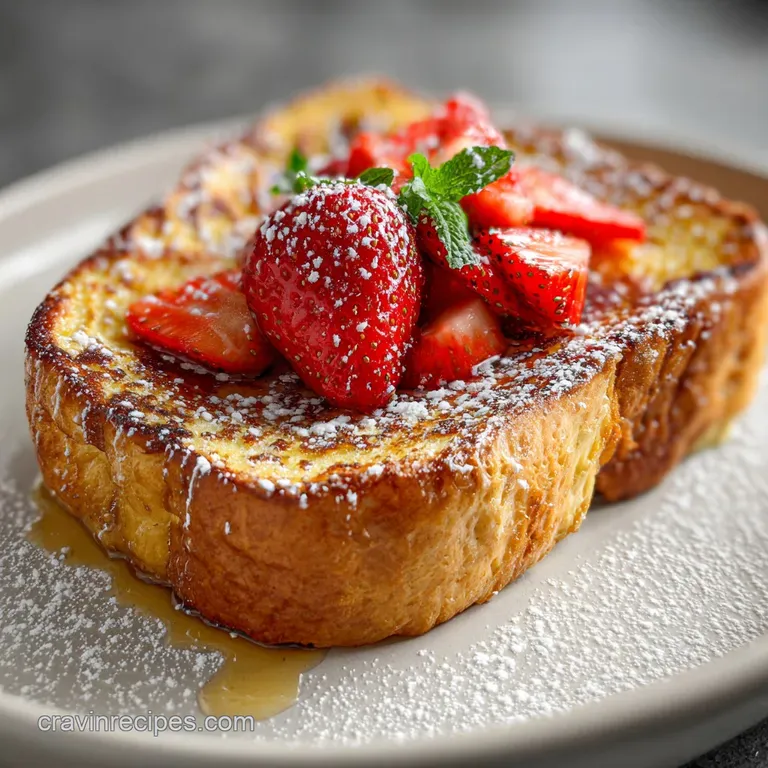
The key is the ratio of fat to protein. If you use too many egg whites, the French toast can become rubbery. By using whole milk and heavy cream, we're essentially making a thin crème anglaise that keeps the bread supple and tender.
To Achieve a Mahogany Crust
Sugar is your best friend here. The 2 tablespoons of sugar in the custard aren't just for sweetness; they undergo the Maillard reaction when they hit the hot butter. This creates that specific "shatter" when you first cut into the slice.
Troubleshooting the Common Issues
| Problem | Root Cause | Solution |
|---|---|---|
| Soggy in the middle | Bread was too fresh or heat was too high | Use day old bread or dry fresh bread in a 300°F (150°C) oven for 10 mins. |
| Tastes like fried eggs | Custard wasn't emulsified or too many eggs | Whisk eggs thoroughly before adding dairy; stick to the 4 egg ratio. |
| Burnt exterior, raw inside | Skillet was too hot | Reduce heat to medium low and cook slower to allow heat to reach the center. |
Common Mistakes Checklist
- ✓ Using fresh, soft bread (always use "thirsty," day old bread).
- ✓ Over soaking the slices until they lose structural integrity.
- ✓ Adding the bread to a cold pan (wait for the butter to foam).
- ✓ Crowding the skillet, which drops the cooking temperature.
- ✓ Skipping the salt it’s vital for balancing the sugar and dairy richness.
Scaling for a Larger Morning Crowd
If you're making this for a big family brunch, you'll need to adjust your approach. For doubling the recipe (8 servings), I recommend keeping the salt and spices at about 1.5 times the original amount to avoid overpowering the custard.
When scaling down for a solo breakfast (1-2 servings), beat one egg in a bowl and use exactly half of it, or just make the full batch of custard and save the extra in the fridge for the next day. The custard stays fresh for up to 24 hours. For more bread based breakfast ideas that serve a crowd, check out our Whole Grain Bread recipe which can be used as a sturdier, healthier base for French toast.
Decision Shortcuts
- If you want it extra crispy: Dredge the soaked bread in crushed cornflakes before frying.
- If you want it like a dessert: Add a tablespoon of bourbon or dark rum to the custard.
- If you want it lighter: Use half and half instead of cream and reduce the sugar.
Versatile Flavor Variations
For an Easy Brioche French Toast Casserole
If you don't want to stand at the stove, cut the brioche into cubes and toss them with the custard in a greased baking dish. Let it sit for 30 minutes, then bake at 350°F (180°C) for 35-40 minutes until puffed and golden.
It’s a great way to use up smaller scraps of bread.
For Overnight Brioche French Toast
You can prep this the night before! Arrange the sliced bread in a single layer in a baking dish, pour the custard over the top, cover with plastic wrap, and refrigerate. In the morning, just pop it in the oven or fry the pre soaked slices. The bread will have absorbed every drop of flavor.
Debunking Morning Kitchen Myths
A lot of people think you need to soak the bread for a long time to get flavor into the middle. That's a myth! With brioche, a long soak actually breaks down the gluten structure, leaving you with a pile of mush. Because brioche is so porous, 30-45 seconds is all it takes to get the custard into the core.
Another common misconception is that you must use only egg yolks for a rich toast. While yolks add fat, the whites provide the proteins needed for the custard to "set" and give the bread some lift. Stick to whole eggs for the best structural results.
Storage Guidelines and Zero Waste
Fridge and Freezer Storage
Fridge: Store leftovers in an airtight container for up to 3 days. To reheat, avoid the microwave; it makes the bread chewy. Instead, pop them in a toaster oven or back in a dry skillet for 2 minutes per side.
Freezer: Flash freeze individual slices on a parchment lined tray for an hour, then transfer to a freezer bag. They’ll stay good for up to 2 months. Reheat directly from frozen in a 350°F (180°C) oven until warmed through.
Zero Waste Tips
Don't toss those crusty bread ends! If you have leftover brioche that isn't enough for a full slice, cube it up and store it in a bag in the freezer. Once you have enough, you can make a bread pudding or use them as the base for a Chocolate Swirl Loaf recipe adaptation. Even the leftover custard can be cooked in a small pan like a sweet scrambled egg my kids actually love it!
Perfect Complements
This French toast is a star on its own, but it really shines when paired with high contrast toppings. I love a handful of tart raspberries or a dollop of Greek yogurt to cut through the richness of the brioche. If you're looking for a different bread heavy breakfast that feels just as special, our Brioche French Toast recipe collection has even more ways to level up your morning.
For those who love a bit of heat with their sweet, try serving this alongside some Bacon Wrapped Jalapeno recipe snacks. It might sound wild for breakfast, but the spicy, salty bacon is a revelation next to the cinnamon custard. Whatever you choose, just make sure you have plenty of coffee ready. Enjoy your morning!

Recipe FAQs
Is day-old brioche mandatory for French toast?
Yes, day-old or slightly stale bread is highly recommended. Fresh, soft brioche absorbs too much liquid too quickly, often leading to a soggy, collapsing interior.
How long should I soak a one-inch thick brioche slice in the custard?
Soak for 30 to 45 seconds per side. Brioche is very porous, so over soaking breaks down the structure before the proteins have time to set during cooking.
How to prevent the outside from burning before the center cooks?
Reduce the heat to medium low after placing the bread in the pan. Cook slowly for 3-4 minutes per side until the exterior is deep mahogany brown and the interior feels set.
Is it true you must use only egg yolks for the richest flavor?
No, this is a common misconception. Whole eggs are necessary because the whites provide essential proteins needed to bind and give the custard lift during cooking.
What substitution can I use if I don't have heavy cream?
Use half and-half as a substitute. If you swap heavy cream for half and-half, reduce the amount of whole milk in the recipe by a quarter cup to maintain richness.
How should I store leftovers to keep them from becoming chewy?
Do not reheat leftovers in the microwave. Store them airtight in the fridge for up to three days and reheat in a toaster oven or a dry, preheated skillet.
What causes the bread to taste too much like scrambled eggs?
This usually happens when the eggs are not fully emulsified before adding the dairy. Whisk the eggs vigorously until completely smooth before slowly streaming in the milk and cream.
Custardy Brioche French Toast
Ingredients:
Instructions:
Nutrition Facts:
| Calories | 674 kcal |
|---|---|
| Protein | 19.3 g |
| Fat | 39.7 g |
| Carbs | 61.5 g |
| Fiber | 2.3 g |
| Sugar | 16.2 g |
| Sodium | 548 mg |
