Homemade Cheddar Nacho Sauce
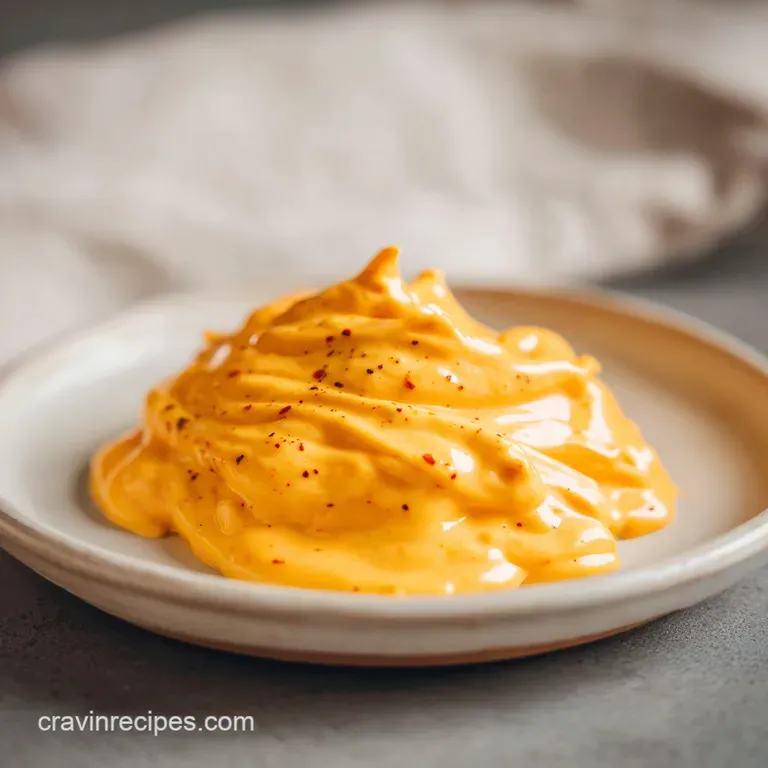
- Time: Active 10 mins, Passive 5 mins, Total 15 mins
- Flavor/Texture Hook: Silky, savory, and perfectly pourable
- Perfect for: Game day snacks, late night cravings, or a quick dinner upgrade
- Silky Smooth Cheddar Nacho Sauce for Cravings
- Science Behind This Creamy Cheese Emulsion
- Recipe Specs for Your Perfect Batch
- Component Analysis of Your Ingredients
- Ingredients for a Bold Flavor Profile
- Precise Steps for a Flawless Melt
- Troubleshooting Common Texture and Heat Issues
- Budget Swaps and Creative Flavor Twists
- Debunking Kitchen Myths
- Storage Guidelines and Zero Waste Tips
- Serving Suggestions for Ultimate Snack Satisfaction
- Recipe FAQs
- 📝 Recipe Card
Silky Smooth Cheddar Nacho Sauce for Cravings
Picture this: it's 11 PM, you've just settled in for a movie, and the craving for something salty and cheesy hits like a freight train. I used to reach for those yellow cans or the block of "processed cheese food," but let's be real, the aftertaste is basically plastic.
I remember the first time I tried making a real version from scratch. I just tossed cheese into a pot and prayed. The result? A clumpy, oily disaster that ruined a perfectly good bag of chips.
That "oil slick" incident sent me on a mission to figure out how the pros get that velvety, glass like finish without the chemical additives. I started experimenting with different thickeners and fats until I landed on the secret. It’s all about the roux and the type of heat you apply.
Once you nail this, you’ll never go back to the store-bought stuff. It’s not just a sauce, it’s a life skill for anyone who takes their snacks seriously.
We are going for a bold, punchy profile here. We want that sharp cheddar bite tempered by a silky base that doesn't seize up the moment it hits a cold chip. Whether you are pouring this over a mountain of nachos or dipping some crunchy Air Fryer Mozzarella recipe sticks into it, this method is your new best friend. Let’s get into the "how" so you can satisfy that craving in less than 15 minutes.
Science Behind This Creamy Cheese Emulsion
Starch Barrier: The flour in the roux coats the fat droplets from the butter and cheese, preventing them from clumping together and creating an oily separation.
Casein Stability: By heating the milk first, we create a stable environment for the cheese proteins (casein) to relax and melt without tightening into "rubber" strands.
Emulsification Bridge: The mustard acts as a natural emulsifier, helping the fat and water based milk stay bonded for a glossier finish.
| Cooking Method | Active Time | Resulting Texture | Best For |
|---|---|---|---|
| Stovetop | 10 mins | Extremely silky and glossy | Immediate drizzling and dipping |
| Slow Cooker | 2 hours | Thick and very concentrated | Large parties or buffets |
| Microwave | 4 mins | Thicker, can be slightly grainy | Single servings or quick fixes |
The stovetop method is truly the gold standard for this specific recipe. It gives you total control over the heat, which is the most important factor when dealing with dairy proteins. If the sauce gets too hot, the proteins tighten and squeeze out the fat, leaving you with a gritty texture.
Keeping it low and slow on the burner ensures everything stays integrated and velvety.
Recipe Specs for Your Perfect Batch
When you’re planning your snack attack, knowing exactly what you’re working with helps avoid waste. This recipe is designed to be quick and efficient, using standard measurements that won't leave you with half empty containers of random ingredients.
| Servings | Ingredient Adjustments | Pan Size | Cook Time |
|---|---|---|---|
| 2 People | Halve all ingredients | Small saucepan | 8 minutes |
| 6 People | Use quantities as listed | Medium saucepan | 15 minutes |
| 12 People | Double all ingredients | Large pot or Dutch oven | 20 minutes |
Component Analysis of Your Ingredients
| Ingredient | Science Role | Pro Secret |
|---|---|---|
| Sharp Cheddar | Flavor & Fat | Grate it by hand to avoid the gritty anti caking cellulose found in pre shredded bags. |
| All purpose Flour | Thickening Agent | Cook it with the butter for at least 60 seconds to remove the "raw flour" taste. |
| Whole Milk | Liquid Base | Use room temperature milk to prevent the roux from seizing and forming lumps. |
Ingredients for a Bold Flavor Profile
- 2 tbsp Unsalted Butter: Provides the fat base for the roux. Why this? Allows you to control the salt level perfectly.
- Substitute: Salted butter (just reduce the added sea salt).
- 2 tbsp All purpose Flour: The structural backbone. Why this? Creates a stable network to hold the cheese.
- Substitute: Cornstarch (use 1 tbsp mixed with cold milk instead).
- 1 cup Whole Milk: The hydrating element. Why this? The fat content ensures a richer, creamier mouthfeel.
- Substitute: 2% milk (will be slightly less velvety but works).
- 8 oz Sharp Cheddar Cheese: The star of the show. Why this? Delivers that classic, tangy nacho punch.
- Substitute: Monterey Jack for a milder, stretchier vibe.
- 1/2 tsp Smoked Paprika: Adds depth.
- Substitute: Regular paprika or chili powder.
- 1/4 tsp Garlic Powder: For savory aromatics.
- Substitute: Onion powder.
- 1/4 tsp Ground Cayenne: Provides the heat.
- Substitute: Red pepper flakes or a dash of hot sauce.
- 1/2 tsp Sea Salt: Enhances all other flavors.
- Substitute: Table salt (use slightly less).
- 1 tsp Yellow Mustard: The secret weapon. Why this? The vinegar and mustard seed help emulsify the fats.
- Substitute: Dijon mustard for a sharper bite.
Precise Steps for a Flawless Melt
- Prep the cheese. Grate the 8 oz Sharp Cheddar Cheese by hand using a box grater. Note: This is non negotiable for a smooth sauce.
- Melt the fat. Place a medium saucepan over medium low heat and add the 2 tbsp Unsalted Butter. Cook until bubbling and fragrant.
- Form the roux. Whisk in the 2 tbsp All purpose Flour. Whisk constantly for 1 minute until the mixture smells slightly nutty.
- Temper the liquid. Slowly pour in the 1 cup Whole Milk while whisking vigorously. Note: Adding it in a slow stream prevents lumps.
- Thicken the base. Continue cooking over medium low heat, whisking often, until the mixture thickens enough to coat the back of a spoon.
- Add the aromatics. Stir in the 1/2 tsp Smoked Paprika, 1/4 tsp Garlic Powder, 1/4 tsp Ground Cayenne, 1/2 tsp Sea Salt, and 1 tsp Yellow Mustard.
- Kill the heat. Turn the burner to the lowest setting or off entirely. Note: Residual heat is all you need to melt the cheese.
- Incorporate the cheese. Add the grated cheese one handful at a time. Stir gently until each batch is fully melted and velvety.
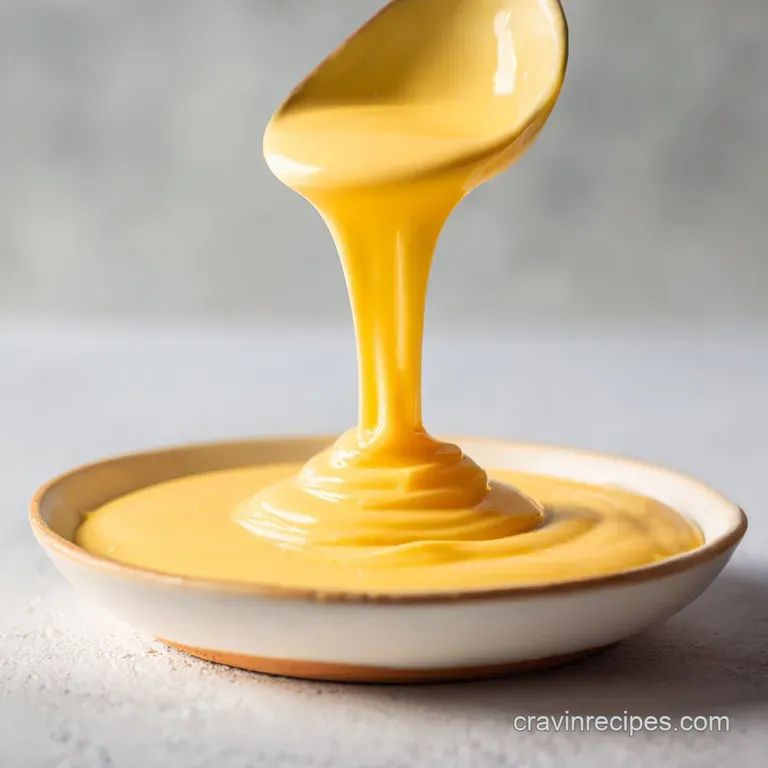
- Adjust the flow. If the sauce is too thick, whisk in an extra tablespoon of milk. The sauce should shatter off a chip but remain fluid.
- Serve immediately. Pour the finished sauce into a warm bowl or directly over your chips.
Troubleshooting Common Texture and Heat Issues
Why is my sauce grainy or "sandy"?
This usually happens for two reasons: using pre shredded cheese or overheating. Pre shredded cheese is coated in potato starch or cellulose to prevent sticking in the bag, which doesn't melt and creates a gritty mouthfeel. Alternatively, if the milk base is boiling when you add the cheese, the proteins will curdle.
| Problem | Root Cause | Solution |
|---|---|---|
| Oily Separation | Heat was too high | Whisk in a splash of cold milk and remove from heat immediately. |
| Lumpy Base | Milk added too fast | Use an immersion blender or whisk aggressively over low heat. |
| Thin/Watery | Not enough flour | Simmer for 2 more minutes or add more cheese. |
Common Mistakes Checklist
- ✓ Always hand grate your cheese (pre shredded is the enemy of smooth sauce).
- ✓ Never let the sauce reach a rolling boil once the cheese has been added.
- ✓ Cook the flour for at least a full minute to avoid a "pasty" aftertaste.
- ✓ Use a heavy bottomed saucepan to ensure even heat distribution.
- ✓ Keep extra milk nearby to adjust the consistency as the sauce cools and thickens.
Budget Swaps and Creative Flavor Twists
If you are looking to save a few dollars, you don't have to sacrifice that bold flavor. You can swap the sharp cheddar for a high-quality store brand mild cheddar or even a "taco blend" if you grate it yourself. For another budget friendly meal that uses similar pantry staples, I love pairing this with a 30 Minute Taco recipe for a full Mexican inspired spread.
Chef's Tip: If you want to take this to a "premium" level without the price tag, stir in a tablespoon of the brine from a jar of pickled jalapeños. It adds acidity and a massive flavor boost for zero extra cost.
Scaling for Large Crowds
- Down (½ batch): Use a very small pot to prevent the milk from evaporating too quickly. Use half an egg yolk if you want extra richness in a small batch.
- Up (2x-4x): Increase the roux ingredients proportionally, but add the milk in stages. Spices should be scaled to 1.5x first, then tasted and adjusted.
- Large Batches: Keep the finished sauce in a small slow cooker on the "warm" setting. If it forms a skin, just stir in a teaspoon of warm milk.
| Thickness | Coating Level | Visual Cue |
|---|---|---|
| Thin | Runs off spoon | Translucent, bubbles rapidly |
| Medium | Lingers on spoon | Opaque, steady slow bubbles |
| Ideal | Heavily coats back | Glossy, leaves a trail when whisked |
Debunking Kitchen Myths
"Adding more flour will make the sauce creamier." This is actually false. More flour makes the sauce thicker and pastier, not creamier. Creaminess comes from the fat to liquid ratio and the quality of the cheese.
"You must use expensive cheese for a good sauce." While high-quality cheese tastes better, even a basic grocery store block will produce a fantastic result if you follow the roux method correctly. The technique matters more than the price tag.
Storage Guidelines and Zero Waste Tips
Storage: Store any leftover sauce in an airtight container in the fridge for up to 4 days. When reheating, do it on the stovetop over very low heat, adding a splash of milk to loosen it back up. Avoid the microwave if possible, as it tends to make the cheese "break" and become oily.
Freezing: I don't recommend freezing this sauce. The emulsion usually breaks during the thawing process, resulting in a grainy, watery mess that is hard to fix.
Zero Waste: Never throw away those tiny nubs of cheese that are too small to grate! Toss them into a freezer bag. Once you have a handful, melt them down into a "fridge clearing" sauce for steamed broccoli or baked potatoes.
You can also use leftover nacho sauce as a base for a killer Mac and Cheese by simply folding in cooked elbow pasta and a little extra pasta water.
Serving Suggestions for Ultimate Snack Satisfaction
The beauty of this Cheddar Nacho Sauce is its versatility. While it’s the king of the chip, it’s also incredible as a drizzle over roasted cauliflower or as a dipping sauce for soft pretzels.
If you’re feeling extra bold, try using it as a topping for a loaded baked potato alongside some crispy bacon bits and green onions.
For a massive weekend brunch, I’ve been known to pour this over a make-ahead Sausage recipe to give it a sharp, cheesy kick. The smokiness of the paprika in the sauce plays beautifully with breakfast meats. Whatever you do, serve it warm. There is something truly therapeutic about watching that first glossy ribbon of cheese drape over a crispy chip. It’s the ultimate reward for 15 minutes of work. Just make sure you have enough chips, because once people start dipping, this sauce disappears faster than you can say "extra jalapeños."
Recipe FAQs
What kind of cheese sauce is used for nachos?
Sharp Cheddar cheese sauce is the traditional standard. For the best results, make a roux based sauce from scratch using real, hand grated sharp cheddar for superior flavor and texture.
How to make cheesy sauce for nachos?
Create a roux first using butter and flour, then slowly whisk in milk. Once the base thickens, remove it from the heat and incorporate your hand grated cheddar until completely melted and velvety smooth.
Which sauce goes with nachos?
A warm, thick, and tangy Cheddar Nacho Sauce is the definitive choice. You can enhance the flavor profile by adding a touch of mustard or smoked paprika for complexity.
How to make a cheddar melt sauce?
Melt the cheese off the direct heat source using residual warmth from a milk and roux base. This gentle heating process prevents the protein from seizing up, which is key to achieving that signature 'melt' texture.
Is it true that using pre-shredded cheese is okay for nacho sauce?
No, pre-shredded cheese should be avoided for a smooth sauce. It contains anti caking agents like cellulose which prevent it from fully dissolving, resulting in a gritty or sandy texture in your final product.
What is the secret to a non-greasy, silky smooth cheese sauce?
The secret lies in creating a stable emulsion using a roux and mustard. If you enjoyed mastering the technique of binding fats and liquids here, you can apply that same principle when making our Moist Banana Bread recipe where ingredient ratios dictate final texture.
Can I use a substitute for whole milk in this sauce?
Yes, 2% milk works, but the texture will be less rich. Whole milk provides the necessary fat content to create a luxurious mouthfeel; using skim milk will often result in a thinner, less stable sauce.
Easy Cheddar Nacho Sauce
Ingredients:
Instructions:
Nutrition Facts:
| Calories | 221 kcal |
|---|---|
| Protein | 10.3 g |
| Fat | 17.6 g |
| Carbs | 4.5 g |
| Fiber | 0.1 g |
| Sugar | 2.1 g |
| Sodium | 455 mg |
