Easy Cinnamon Roll Monkey Bread Recipe
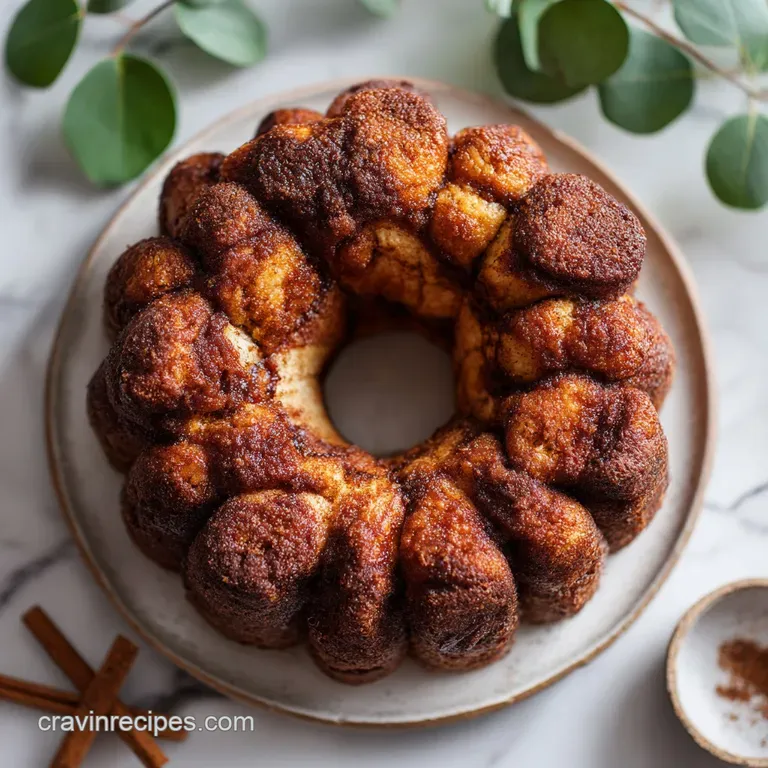
- Time: Active 10 minutes, Passive 35 minutes, Total 45 minutes
- Flavor/Texture Hook: Deeply caramelized exterior with a soft, buttery, pull apart center
- Perfect for: Lazy Sunday brunches, holiday mornings, or a crowd-pleasing dessert
- The Science of Gooey Perfection
- Ingredient Deep Dive Analysis
- Selecting Your Indulgent Essentials
- Tools for Baking Success
- Steps to Golden Pull Apart Bliss
- Solving Common Baking Hurdles
- Scaling for a Crowd
- Flavor Variations to Try
- My Humble Kitchen Truths
- Storage and Waste Guidelines
- Perfect Morning Pairing Ideas
- High in Sodium
- Recipe FAQs
- 📝 Recipe Card
The Science of Gooey Perfection
Capillary Action: The spaces between the dough balls act like tiny straws, pulling the melted butter and sugar mixture deep into the center of the loaf. This ensures every single bite is saturated with caramel rather than just the top layer.
Starch Gelatinization: As the cinnamon rolls bake, the heat causes the starches to swell and absorb the surrounding moisture and fat, creating that signature velvety crumb. This process is what prevents the bread from becoming tough or dry even after it cools down.
| Method | Time | Texture | Best For |
|---|---|---|---|
| Standard Oven | 35 minutes | Crispy crust, soft core | Traditional results |
| Air Fryer | 22 minutes | Extra crunchy exterior | Small batches/Speed |
| Slow Cooker | 3 hours | Fully soft and steamed | Hands off holidays |
I usually stick to the oven method because that dry heat is what gives us the glorious, crackling sugar shell that makes this dish so famous. If you are looking for a different vibe for your morning spread, you might also love the texture of this Moist Banana Bread recipe which uses similar spice profiles but with a denser crumb.
Ingredient Deep Dive Analysis
| Component | Science Role | Pro Secret |
|---|---|---|
| Brown Sugar | Hygroscopic sweetener | Pack it tightly to ensure the molasses content stays high for a richer glaze |
| Unsalted Butter | Fat and emulsifier | Use European style butter for a higher fat content and less water |
| Cinnamon | Flavor and anti oxidant | Freshly opened spices provide a much more pungent, aromatic "hit" |
| Cream Cheese | Acidic stabilizer | It cuts through the sugar intensity to balance the overall sweetness |
Before we start mixing, let me tell you a mistake I once made: I used cold butter for the glaze thinking it would melt in the oven anyway. It didn't. It just sat there in clumps, leaving some spots dry and others greasy. Always, and I mean always, melt that butter completely before whisking in your sugars.
Selecting Your Indulgent Essentials
- Refrigerated Cinnamon Rolls (2 cans, 496g each): These provide the leavening and the base spice. Why this? They offer a flaky, layered texture that plain biscuits just cannot replicate.
- Substitute: 900g of frozen bread dough (thawed) + extra cinnamon.
- Granulated Sugar (100g): For the initial coating. Why this? It creates a fine crystalline barrier that helps the pieces stay individual.
- Substitute: Caster sugar for a more delicate crunch.
- Ground Cinnamon (1 tbsp): The soul of the dish. Why this? It reinforces the pre packaged flavors for a more "homemade" taste.
- Substitute: Apple pie spice for a nutmeg heavy twist.
- Unsalted Butter (113g, melted): The glue. Why this? It carries the flavor and creates the Maillard reaction on the crust.
- Substitute: Salted butter (just skip any extra salt in the glaze).
- Light Brown Sugar (150g): For the caramel sauce. Why this? The molasses content creates a sticky, syrupy consistency when baked.
- Substitute: Dark brown sugar for a deeper, toffee like flavor.
- Pure Vanilla Extract (1 tsp): Aromatic depth. Why this? It rounds out the sweetness and makes the butter taste "richer."
- Substitute: Maple extract for a pancake house aroma.
- Cream Cheese (56g, softened): For the glaze. Why this? It adds a tangy silkiness that balances the sugar bomb.
- Substitute: Heavy cream if you prefer a pourable, translucent icing.
- Whole Milk (22ml): To thin the icing. Why this? It provides enough liquid without making the glaze watery.
- Substitute: Almond milk or any dairy-free alternative.
Tools for Baking Success
You definitely need a standard 25cm bundt pan for this. A tube pan works too, but a bundt pan has all those beautiful ridges that catch the extra caramel. I also recommend a pair of kitchen shears. I used to use a knife, but the dough is so soft that a knife often squishes the layers together.
Shears just snip right through without ruining the fluffiness.
A large gallon sized zip top bag is another "non negotiable" for me. It is the cleanest way to coat the dough pieces without getting your hands covered in cinnamon sugar every two seconds. Finally, grab a small whisk and a microwave safe bowl for that golden butter mixture.
| Feature | Canned Rolls (Shortcut) | From Scratch Yeast Dough |
|---|---|---|
| Preparation Time | 10 minutes | 3 hours |
| Texture | Flaky and layered | Dense and chewy |
| Effort Level | Beginner | Intermediate |
If you find yourself with extra time and want to try something a bit more technical but equally sweet, you have to try this Cookie Monster Cookies recipe. It is a total crowd pleaser that hits all the same dessert notes as this bread.
Steps to Golden Pull Apart Bliss
- Preheat the oven to 180°C (350°F). Note: A consistent temperature is vital for the sugar to caramelize without burning.
- Grease your bundt pan generously with butter or non stick spray. Until every crevice is shiny and slick.
- Snip the cinnamon rolls into quarters using kitchen shears. Each piece should be about 2.5cm wide.
- Toss the dough chunks in a bag with granulated sugar and 1 tablespoon of cinnamon. Note: Shake vigorously to ensure every side is coated.
- Layer the coated dough evenly into the prepared pan. Distribute them loosely so the sauce can flow between.
- Whisk the melted butter, brown sugar, and vanilla in a small bowl. Until the mixture is smooth and combined.
- Pour the butter mixture over the dough balls. Making sure to cover as much surface area as possible.
- Bake for 35 minutes until the top is deeply bronzed and the sugar is bubbling.
- Rest the pan for exactly 5 minutes on a wire rack. Note: This allows the caramel to thicken slightly so it clings to the bread.
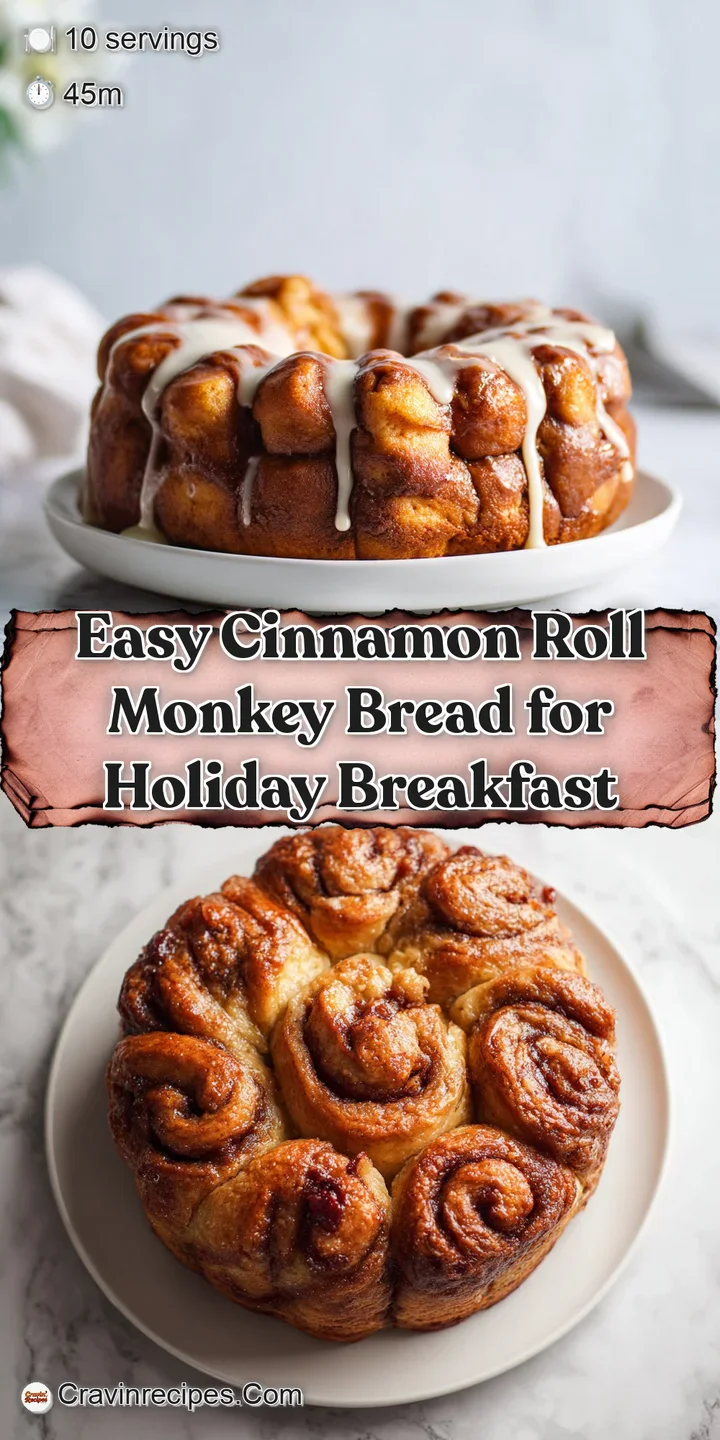
- Invert onto a plate and drizzle with a mix of cream cheese, milk, and the icing packets from the cans. Watch the glaze slowly melt into the warm crevices.
Chef's Tip: If you want an extra layer of crunch, sprinkle half a cup of toasted pecans into the bottom of the pan before adding the dough. They become candied as the bread bakes!
Solving Common Baking Hurdles
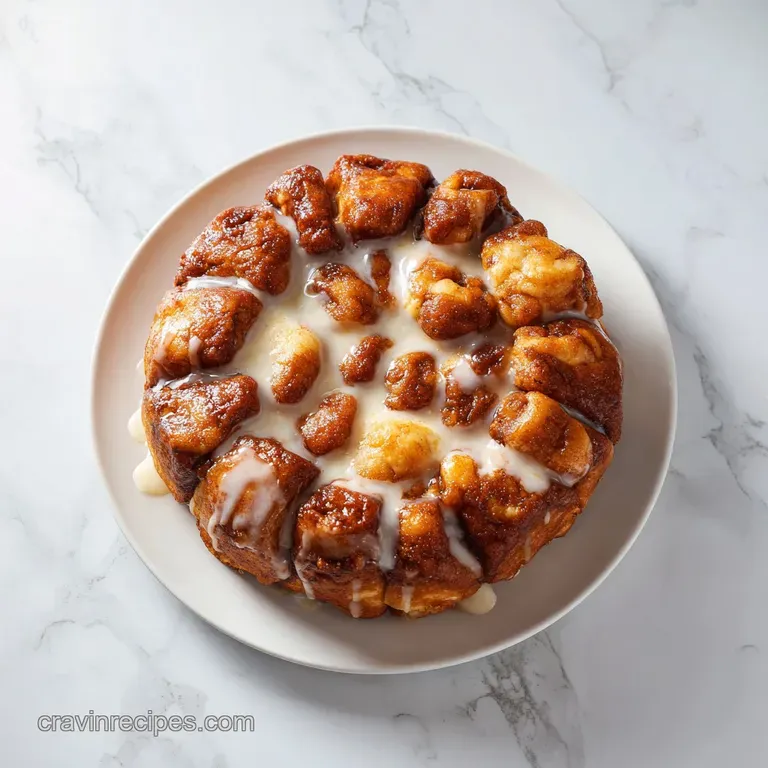
Why Your Monkey Bread Has a Raw Center
This is the most common heartbreak. Usually, it happens because the dough was packed too tightly or the oven temperature was too high, browning the outside before the heat could penetrate the middle.
If the top is getting too dark but the center feels squishy, tent the pan with aluminum foil for the last 10 minutes.
For a Sticky Situation (Pan Release)
If you wait too long to flip the bread, the sugar turns into cement. If you flip it too soon, the caramel is too thin and will just run off, leaving the bread dry. Five to seven minutes is the "sweet spot" for a clean release and a perfect coating.
| Problem | Root Cause | Solution |
|---|---|---|
| Dry, tough bread | Overbaked or too little butter | Reduce bake time by 5 mins next time; check oven temp |
| Soggy bottom | Too much glaze or underbaked | Ensure center reaches 88°C (190°F) |
| Sugar is gritty | Butter wasn't hot enough | Whisk sugar into very warm butter until partially dissolved |
Common Mistakes Checklist ✓ Never skip greasing the pan, even if it's non stick. ✓ Don't use "Grands" style biscuits if you want the cinnamon roll flavor; they are too thick. ✓ Avoid overcrowding the pan; leave a little room for the dough to expand.
✓ Check your spices if that cinnamon has been in the pantry since 2019, toss it. ✓ Let the cream cheese reach room temperature before whisking to avoid lumps.
Scaling for a Crowd
Scaling Down (1/2 batch): Use a standard loaf pan instead of a bundt pan. Reduce the baking time to about 25 minutes. Since you can't really use "half an egg" (though this recipe doesn't use eggs, many doughs do!), just focus on the ratios of the butter and sugar.
For a 5 serving batch, use one can of rolls and half the glaze ingredients.
Scaling Up (2x batch): Do not try to stack two recipes into one bundt pan it will never bake through. Instead, use two separate pans. When making the glaze for a double batch, keep the vanilla and cinnamon at 1.5x the original amount to avoid an overpowering flavor, but keep the butter and sugar at a full 2x.
Flavor Variations to Try
Right then, let's talk about making this your own. While the classic version is iconic, I've had some "happy accidents" in the kitchen that turned into family favorites. If you want a bit of a holiday vibe, try adding orange zest to the granulated sugar coating. It cuts through the richness beautifully.
For the chocolate lovers, tucking a few semi sweet chocolate chips between the dough layers creates little molten pockets of cocoa. Honestly, don't even bother with low-fat versions of these ingredients; the magic is in the fat and the sugar. If you are looking for a savory leaning breakfast to balance the sugar, you might consider something like a Freezer Friendly Breakfast recipe to serve alongside this sweet treat.
The Decision Shortcut
- If you want a crunchier texture, use a larger bundt pan to create more surface area.
- If you want a gooier center, add an extra 2 tablespoons of butter to the brown sugar mixture.
- If you want a festive look, top the finished bread with dried cranberries and white chocolate drizzle.
My Humble Kitchen Truths
A common myth is that you must use expensive, artisan cinnamon rolls for this to taste good. That is simply not true. The "cheap" canned rolls actually work better because they are designed to be soft and respond well to the extra steam created by the butter sauce.
High end bakery rolls are often too crusty and don't absorb the glaze properly.
Another myth is that you need to "proof" the canned dough. You don't. In fact, letting the canned dough sit out too long before baking will make it lose its structural integrity, leading to a flat, dense bread. Go straight from the fridge to the oven.
Storage and Waste Guidelines
Storage: This bread is undeniably best served warm, about 10 minutes after it comes out of the oven. However, you can store leftovers in an airtight container at room temperature for up to 2 days.
If you put it in the fridge, the butter will solidify and make the bread feel hard, so room temp is better.
Freezing: You can freeze the baked bread for up to 2 months. Wrap it tightly in plastic wrap and then foil. To reheat, let it thaw at room temperature and then pop it in a 150°C (300°F) oven for 10 minutes to revive that "shatter" on the crust.
Zero Waste: If you have leftover pieces that have gone a bit stale, don't you dare throw them away. Chop them up and use them as a base for a bread pudding. Pour a simple custard (eggs, milk, sugar) over the chunks and bake it again.
It is incredibly indulgent and ensures none of that buttery goodness goes to waste.
Perfect Morning Pairing Ideas
Since this bread is a total sugar powerhouse, I love pairing it with things that have high acidity or a bit of salt. A very dark, bitter coffee is the classic choice it cleanses the palate between bites of gooey caramel.
If you are serving this for a full brunch, a side of crispy, thick cut bacon or a spicy sausage hash provides the perfect savory contrast. You can even serve it with a bowl of tart Greek yogurt topped with fresh berries to add a refreshing, cool element to the plate.
Trust me on this, the contrast makes the bread taste even more decadent.
High in Sodium
912 mg mg of sodium per serving (40% of daily value)
The American Heart Association recommends limiting sodium intake to no more than 2,300mg per day for most adults. Try these tips to reduce sodium in your recipe!
Tips to Reduce Sodium in Your Cinnamon Rolls
-
DIY Cinnamon Rolls-30%
Refrigerated cinnamon rolls are a significant source of sodium. Consider making your own from scratch to control the sodium content. This gives you complete control over ingredients like salt and allows you to use low-sodium alternatives.
Making your own can result in delicious cinnamon rolls with significantly less sodium.
-
Low-Sodium Cream Cheese-15%
Even though cream cheese is a smaller part of the recipe, choosing a low-sodium variety can still make a difference. Look for cream cheese labeled 'low sodium' or 'reduced sodium', which contains at least 25% less sodium than the regular version.
-
Unsalted Butter-10%
Ensure you are using unsalted butter as the recipe suggests. Using salted butter will increase the overall sodium content of your cinnamon rolls unnecessarily. Look for a clearly labeled product.
-
Spice It Up!
Enhance the flavor of your cinnamon rolls with a variety of herbs and spices beyond just cinnamon! Experiment with nutmeg, ginger, cloves, or cardamom to add depth and complexity without relying on sodium.
Recipe FAQs
Can I use refrigerated cinnamon rolls to make monkey bread?
Yes, this is the primary shortcut for this recipe. store-bought cinnamon rolls provide the necessary yeast leavening and pre-mixed icing components for speed. Just make sure to snip them into quarters for even caramel absorption.
What is the secret ingredient that makes Cinnabon frosting so rich?
Cream cheese is essential for achieving that characteristic tangy richness. It balances the intense sweetness of the powdered sugar, preventing the glaze from tasting one-dimensionally sweet like simple sugar icing.
What does pouring heavy cream over cinnamon rolls before baking do?
Do not substitute heavy cream for the specified butter/brown sugar mixture. Heavy cream will create a steamed, cake like texture rather than the desired sticky, crispy caramel crust you get from melted butter and sugar.
What are some common mistakes when making monkey bread from canned rolls?
Packing the dough pieces too tightly into the pan is the biggest error. If the dough is compacted, the caramel glaze cannot flow between the pieces, resulting in raw spots and a dense, uneven bake.
How can I ensure the center of my monkey bread is fully cooked?
Bake until a thermometer inserted near the center registers 88°C (190°F). If the top browns too fast, lightly tent the pan with foil for the final 10 minutes to allow the internal heat to catch up without scorching the crust.
Should I let the dough rise at all before baking the monkey bread?
No, do not proof the canned dough pieces. Canned dough relies on the high heat of the oven for its primary rise; allowing it to sit out too long will cause the internal structure to collapse during baking, leading to a flat result.
Is it true that using milk instead of cream for the icing results in a thinner glaze?
Yes, milk thins the icing considerably more than cream cheese or heavy cream. Whole milk adds enough liquid to make the glaze pourable, which is perfect if you want a translucent coating rather than a thick, opaque frosting, similar to the final step in our Chocolate Covered Pretzels recipe glaze.
Easy Cinnamon Roll Monkey Bread
Ingredients:
Instructions:
Nutrition Facts:
| Calories | 571 kcal |
|---|---|
| Protein | 5 g |
| Fat | 27 g |
| Carbs | 79 g |
| Fiber | 2 g |
| Sugar | 55 g |
| Sodium | 912 mg |
