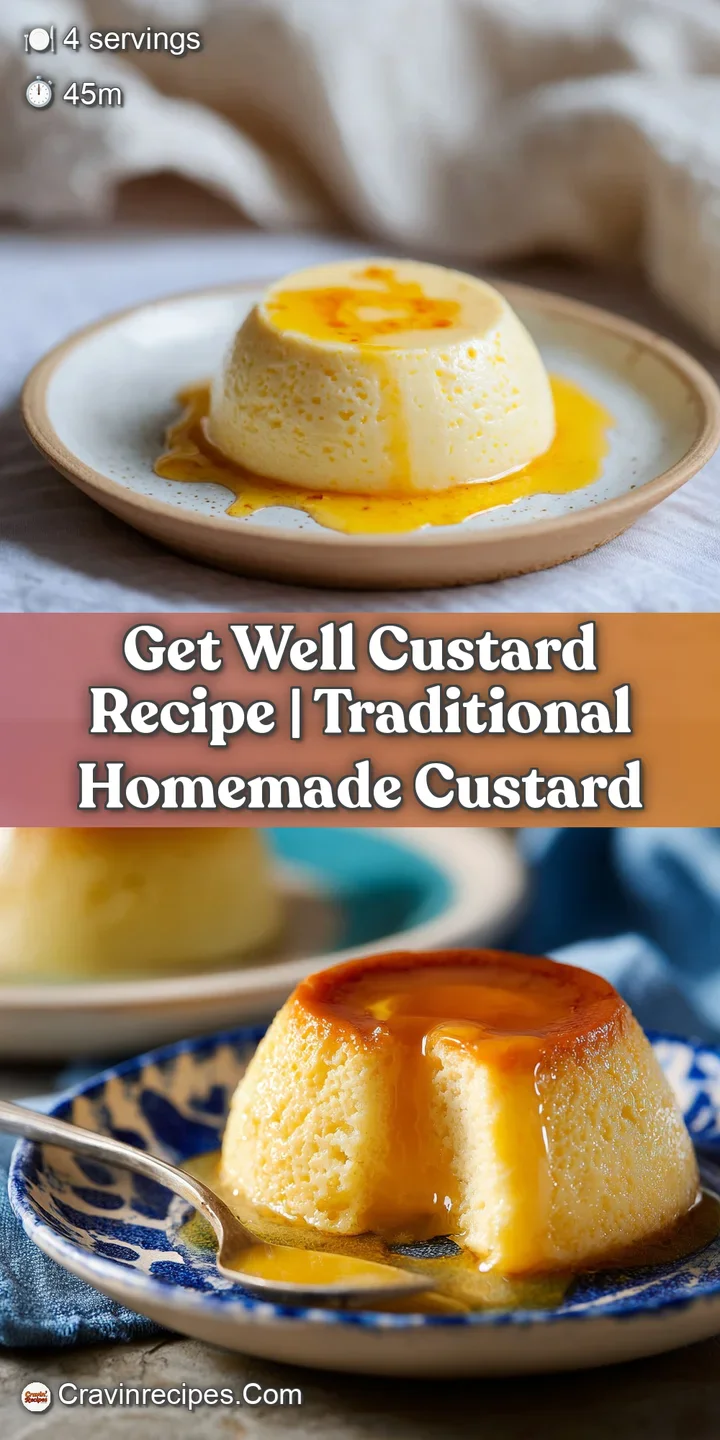
Get Well Custard: Creamy and Soothing
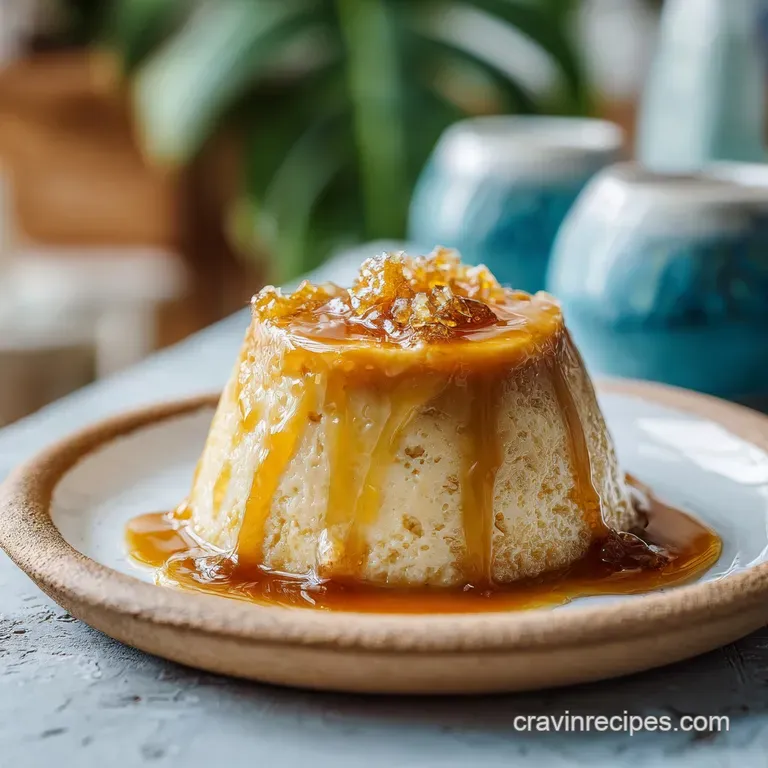
- Time: Active 10 minutes, Passive 35 minutes, Total 45 minutes
- Flavor/Texture Hook: Silky smooth, lightly floral honey sweetness with a warm nutmeg finish
- Perfect for: Cold season recovery, soothing a sore throat, or a nostalgic weeknight comfort
- Bringing Comfort Home With This Get Well Custard
- Why This Gentle Bake Works Every Time
- Essential Benchmarks for Your Creamy Pudding Success
- Selecting the Best Ingredients for Maximum Healing
- Simple Tools Needed for a Mirror Smooth Finish
- Precise Steps to Crafting a Velvety Recovery Treat
- Solving Texture Issues for a Flawless Result
- Tasty Variations for Different Dietary Needs and Flavors
- Proper Storage and Waste Reduction for Extra Custard
- Simple Garnishes to Make Your Custard Look Beautiful
- Recipe FAQs
- 📝 Recipe Card
Bringing Comfort Home With This Get Well Custard
The first thing you’ll notice isn't the taste, but the aroma that specific, sweet cloud of steamed milk and floral honey that fills the kitchen. Whenever someone in my house starts feeling a bit under the weather, I reach for my small copper saucepan.
There’s a certain rhythm to it: the soft "tink tink" of the whisk against the ceramic bowl and the rasp of the nutmeg grater. It’s a quiet, meditative process that feels like a hug in a ramekin.
I remember being tucked under three layers of quilts as a kid, watching the steam rise off a small yellow bowl my mom brought in. It wasn't fancy, but that first velvety spoonful felt like it was actually knitting me back together.
This recipe isn't about complex techniques or gourmet flourishes. It’s about being hearty and fuss free when you don't have the energy for anything else. We’re using whole milk for that essential richness and honey instead of white sugar because it adds a depth that just feels more "medicinal" in the best way possible.
I’ve made the mistake of rushing this before cranking the heat or skipping the water bath and trust me, you end up with something that looks like sweet scrambled eggs. We want a mirror smooth surface that yields to the slightest pressure of a spoon.
What we’re making here is a traditional egg custard, often called a "sickbed staple" in older cookbooks. It’s light enough to digest but packed with the goodness of fresh eggs and milk. I’ve learned over the years that the secret isn't in the ingredients themselves, but in how we treat them.
We're going to be gentle, keeping the air out of the mix and using a "water jacket" to keep the heat steady. Let's crack on and get some comfort into your kitchen.
Why This Gentle Bake Works Every Time
The success of this dish lies in controlling how the proteins in the eggs behave when they meet heat. By understanding a few simple mechanics, you’ll never have to worry about a grainy or watery result again.
- Thermal Buffering: The water bath (bain marie) prevents the ramekin walls from exceeding 212°F, ensuring the eggs set into a gel rather than tightening into tough, rubbery clumps.
- Protein Netting: Gentle heating allows the egg proteins to uncoil and link up slowly, trapping the milk and honey in a delicate, wobbling matrix.
- Hygroscopic Balance: Honey keeps the custard moisture locked, providing a smoother mouthfeel than granulated sugar which can sometimes lead to a slightly drier set.
- Fat Stabilization: Using whole milk provides enough fat to coat the egg proteins, acting as a lubricant that keeps the texture silky instead of squeaky.
| Custard Thickness | Internal Temp | Rest Time | Visual Cue |
|---|---|---|---|
| 1 inch (Ramekin) | 170°F - 175°F | 10 minutes | Edges set, center wobbles like Jello |
| 2 inches (Small Dish) | 170°F - 175°F | 15 minutes | Surface is matte, not shiny wet |
| 1/2 inch (Shallow) | 165°F - 170°F | 5 minutes | Slight jiggle when tapped on the side |
The visual cue is really the most important thing to watch for through the oven door. If the whole thing sloshes like liquid, it needs five more minutes; if it doesn't move at all, it’s overcooked and might lose that velvety charm.
Essential Benchmarks for Your Creamy Pudding Success
When you're making something as simple as this, the quality of the components and the precision of the temperature make all the difference. I always use the best eggs I can find because they provide the structure and that beautiful golden hue.
| Component | Science Role | Pro Secret |
|---|---|---|
| Whole Milk | Liquid Base | Warm it until just steaming to jumpstart the bake without curdling. |
| Large Eggs | Structural Binder | Use room temperature eggs so they incorporate into the milk without shocking. |
| Honey | Sweetener & Humectant | Choose a mild clover or wildflower honey to avoid overpowering the vanilla. |
| Nutmeg | Aromatic Finish | Grate it fresh over the top right before baking for the most "healing" scent. |
Selecting the right milk is non negotiable for me. Honestly, don't even bother with low-fat or skim milk here; you need the fat to give the custard its signature body. If you’re looking for a cheery weekend project for once you're back on your feet, my homemade cinnamon rolls use a similar milk warming technique to activate the yeast.
Selecting the Best Ingredients for Maximum Healing
You only need six ingredients for this, so make them count. This is one of those times where I really advocate for vanilla bean paste over extract. You get those gorgeous little black specks at the bottom of the cup, and the flavor is much more intense.
- 2 cups whole milk: Why this? Provides the fat needed for a silky, rich mouthfeel and classic flavor. (Substitute: 2 cups oat milk for a dairy-free version, though it will be slightly thinner.)
- 3 large eggs: Why this? The proteins create the structure. Room temperature is key for even mixing. (Substitute: 3/4 cup liquid egg substitute if needed.)
- 3 tbsp honey: Why this? Adds a natural, floral sweetness and helps keep the custard moist. (Substitute: 3 tbsp maple syrup for a woodier, darker flavor profile.)
- 1 tsp pure vanilla bean paste: Why this? Offers a deep, concentrated vanilla flavor and beautiful visual specks. (Substitute: 1 tsp vanilla extract.)
- 1 pinch sea salt: Why this? Sharpens the sweetness and balances the richness of the eggs. (Substitute: Table salt, but use a very tiny pinch.)
- 1/4 tsp freshly grated nutmeg: Why this? The classic "get well" aroma that cuts through the creamy sweetness. (Substitute: Ground cinnamon for a warmer, spicier note.)
Simple Tools Needed for a Mirror Smooth Finish
You don't need a kitchen full of gadgets, but a few specific items make the process much more reliable. I prefer a heavy bottomed saucepan for the milk because it prevents scorching. A thin, cheap pan will hot spot and you’ll end up with burnt milk bits in your silky custard, which is a total heartbreak.
For the whisking, use a balloon whisk but keep your wrist movements small. We aren't trying to make a meringue; we just want to combine things. If you create too many bubbles, you’ll end up with a porous, "holy" custard instead of a smooth one. And please, don't skip the fine mesh sieve.
It catches those little chalazae (the white stringy bits) from the eggs and any accidentally cooked bits of egg from the tempering process. It’s the difference between a "good" custard and a "velvety" one.
Precise Steps to Crafting a Velvety Recovery Treat
- Preheat your oven to 325°F (165°C). In a small saucepan, warm the 2 cups whole milk until it just begins to steam. Note: This "scalding" step shortens the bake time and helps the honey dissolve perfectly.
- In a large mixing bowl, whisk the 3 large eggs, 3 tbsp honey, 1 tsp vanilla, and a pinch of salt until combined. Whisk gently until the honey is fully integrated.
- Slowly stream the warm milk into the egg mixture. Note: Pour in a thin thread while whisking continuously to "temper" the eggs so they don't scramble.
- Strain the mixture through a fine mesh sieve into 4 (6 ounce) ramekins. Straining ensures a mirror smooth finish without any egg lumps.
- Place the filled ramekins in a large baking pan (like a 9x13 cake pan).
- Fill the outer baking pan with boiling water until it reaches halfway up the sides of the ramekins. Note: This creates the "water jacket" that protects the delicate proteins.
- Dust the tops with the 1/4 tsp freshly grated nutmeg.
- Bake for 35 minutes until the edges are set but the center still wobbles slightly.
- Remove the ramekins from the water bath immediately using tongs or a jar lifter.
- Let them sit on a wire rack for 10 minutes to finish setting before serving warm.
Solving Texture Issues for a Flawless Result
The most common heartbreak with a Get Well Custard is finding liquid pooling at the bottom of the dish or seeing tiny holes throughout the custard. Both of these are usually down to temperature control, either in the oven or during the mixing phase.
Why Your Custard Is Weeping
If you see a watery liquid (syneresis) at the bottom, the custard has been overcooked. The protein structure tightened so much that it squeezed the moisture right out. This happens if the oven is too hot or if you left it in past that "wobble" stage.
Why Your Custard Has Bubbles
Tiny holes throughout the custard mean you either whisked too much air into the eggs or the water bath boiled. If the water in the pan starts bubbling aggressively, it vibrates the ramekins and cooks the eggs too fast. Keep that water at a gentle simmer.
| Problem | Root Cause | Solution |
|---|---|---|
| Curdled/Lumpy | Milk was too hot or added too fast | Stream milk in very slowly while whisking constantly. |
| Toughened Top | No water bath or too much heat | Always use a bain marie and check temp at 30 mins. |
| Too Runny | Not enough egg or underbaked | Ensure large eggs are used and bake until edges are firm. |
Common Mistakes Checklist
- ✓ Pat the bottom of ramekins dry before serving (prevents water dripping into the custard).
- ✓ Use room temperature eggs to ensure a smooth, effortless emulsification with the milk.
- ✓ Strain the mixture through a sieve this is the most skipped step, but the most important for texture.
- ✓ Preheat the water for the bain marie so the cooking starts immediately in the oven.
- ✓ Don't over whisk; stop the second the honey and eggs are a uniform color.
Tasty Variations for Different Dietary Needs and Flavors
While the classic version is hard to beat, sometimes you need to pivot based on what's in the pantry or specific health needs. If you’re looking for a heartier morning option for the rest of the family while you enjoy your custard, a sausage breakfast casserole is a great one pan wonder.
If you want a dairy-free recovery, coconut milk is my favorite swap. It has a high fat content which mimics the whole milk beautifully, though it does add a distinct tropical note. For those who can't do honey, maple syrup is a brilliant alternative, offering a mineral rich sweetness that feels just as comforting.
Scaling Guidelines
- To make a half batch: Use 1 cup milk, 1 large egg plus 1 yolk (beat an egg and use half), and 1.5 tbsp honey. Use smaller ramekins and check for doneness 5-8 minutes early.
- To double the recipe: Use 4 cups milk, 6 eggs, and 6 tbsp honey. You may need to bake in two separate pans or a larger roasting tin. The time usually stays the same if using individual ramekins, but add 10 minutes if using a single large dish.
| Method | Time | Texture | Best For |
|---|---|---|---|
| Oven (Bain Marie) | 35 minutes | Velvety and uniform | Traditional set custard |
| Stovetop (Steamed) | 20 minutes | Softer, more pudding like | Quick prep without oven |
| Microwave | 5 minutes | Firmer, can be bubbly | Emergency comfort only |
Proper Storage and Waste Reduction for Extra Custard
Custard is best eaten the day it's made, but it will keep in the fridge for up to 3 days. To prevent a "skin" from forming on the top, press a piece of parchment paper or plastic wrap directly onto the surface of the custard once it has cooled slightly.
It doesn't freeze well the ice crystals will break that delicate protein bond and you'll end up with a watery mess once thawed.
For zero waste, don't throw away those eggshells! If you have a garden, crush them up and add them to your compost or directly into the soil for a calcium boost. If you find yourself with extra warmed milk that didn't make it into the recipe, whisk it with a little cocoa powder for a quick recovery hot chocolate.
Any leftover custard that didn't get eaten can actually be blended into a smoothie for a massive protein and flavor boost.
Simple Garnishes to Make Your Custard Look Beautiful
Presentation might seem secondary when you’re not feeling great, but there’s something about a beautiful dish that lifts the spirits. The classic dusting of nutmeg is traditional for a reason it smells like home.
If you want to brighten it up, a single fresh raspberry or a tiny sprig of mint adds a pop of color that makes the pale gold custard stand out.
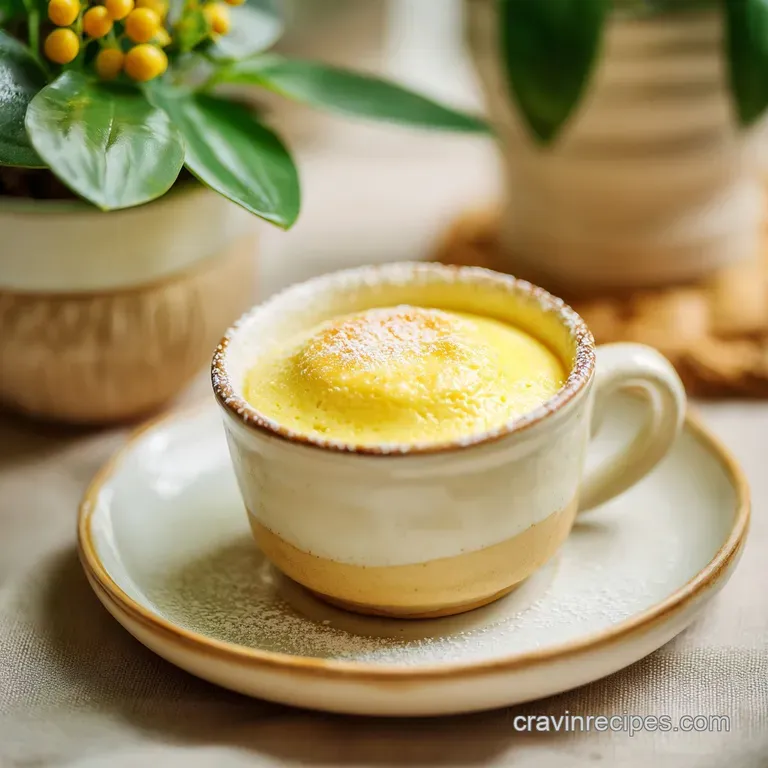
Another trick I love is serving these in mismatched vintage teacups. There’s something so cozy about holding a warm teacup full of silky custard. If you’re feeling a bit better and want some texture, a few crushed gingersnap crumbs on top add a lovely "shatter" that contrasts with the velvety base.
Just remember to keep it simple the goal is comfort, not a culinary competition.
Custard Myths Debunked
- Myth: You must boil the milk before adding it to the eggs.
- Truth: Boiling milk can actually cook the eggs instantly upon contact. You only need to reach "scalding" point (around 110°F-120°F) where steam just starts to rise.
- Myth: A water bath is optional if you lower the oven temperature.
- Truth: The water bath provides humidity and a physical barrier that keeps the custard edges from cooking faster than the center. It’s essential for that uniform, silky texture.
- Myth: You can't make custard with honey because it won't set.
- Truth: Honey works perfectly! While it is a liquid, the amount used here doesn't interfere with the egg's ability to create a solid gel.
Recipe FAQs
What is custard called in America?
It is generally just called custard. While some specific regional variations exist, this baked egg and milk dish is widely recognized under that name across the United States.
Is there a traditional Filipino custard dessert?
Yes, it is known as Leche Flan. This Filipino favorite is a richer, denser version that relies heavily on egg yolks and is traditionally steamed, whereas this custard is baked using a bain marie technique.
Is custard healthy or unhealthy?
It is a balanced treat. With high-quality protein from eggs and natural sweetness from honey, it provides a satisfying dessert option at 177 calories per serving.
What is custard exactly?
It is a thickened mixture of milk and eggs. By gently heating these ingredients, the proteins in the eggs coagulate to create a smooth, velvety texture that serves as the base for many classic desserts.
How to achieve a perfectly smooth texture?
Strain the mixture through a fine mesh sieve before pouring into ramekins. If you enjoyed mastering this Bread for 12 Servings recipe, you will appreciate how those same principles of consistency apply to baking high-quality breads.
Is it true the center must be completely firm after baking?
No, this is a common misconception. You should pull the ramekins from the oven when the edges are set but the center still wobbles slightly; the residual heat will finish the cooking process without over coagulating the eggs.
How to avoid water dripping into the custard?
Pat the bottom of the ramekins dry immediately after removing them from the water bath. This simple step prevents any remaining droplets from the bain marie from falling onto your finished custard while you move them to a cooling rack.
Get Well Custard
Ingredients:
Instructions:
Nutrition Facts:
| Calories | 177 kcal |
|---|---|
| Protein | 8.6 g |
| Fat | 7.6 g |
| Carbs | 18.9 g |
| Fiber | 0.1 g |
| Sugar | 18.5 g |
| Sodium | 95 mg |
