Glazed Maple Shortbread Cookies
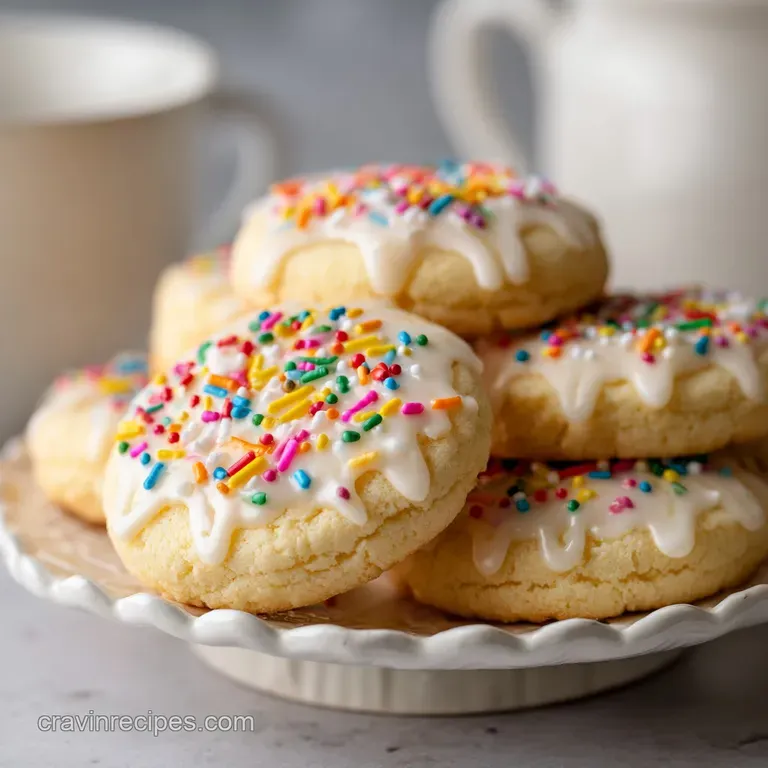
- Time:20 minutes active + 72 minutes chilling/baking = Total 92 minutes
- Flavor/Texture Hook: Buttery, melt in-your mouth texture with a sweet, velvety maple glaze finish.
- Perfect for: Holiday gifting, afternoon tea, or an indulgent weekend baking project.
- Master Indulgent Glazed Maple Shortbread Cookies
- Essential Specs and Quick Metrics
- Essential Shopping List Breakdown
- Kitchen Equipment and Tools
- Bringing the Dough Together
- Fixing Common Cookie Problems
- Creative Flavor Mix Options
- Storing and Reheating Tips
- Perfect Pairing and Serving
- Recipe FAQs
- 📝 Recipe Card
Master Indulgent Glazed Maple Shortbread Cookies
The moment you crack open a fresh bottle of Grade A Dark maple syrup, the kitchen transforms. It isn't just a sweet smell; it is deep, earthy, and slightly reminiscent of toasted wood. I remember the first time I tried to fold that liquid gold into a standard shortbread dough.
The aroma that wafted from the oven was so intoxicating that I didn't even wait for the cookies to cool before taking a bite. The result was a crumbly, buttery mess that tasted like heaven but looked like a disaster.
Since then, I have spent a lot of time learning how to balance that moisture. Shortbread is notoriously finicky when you introduce liquid sweeteners, but when you get it right, it is the most indulgent cookie in your repertoire.
These glazed maple shortbread cookies are designed to be sturdy enough to hold their sharp edges but delicate enough to dissolve the second they hit your tongue. We aren't looking for a chewy cookie here; we want that classic, sandy shortbread snap that feels luxurious.
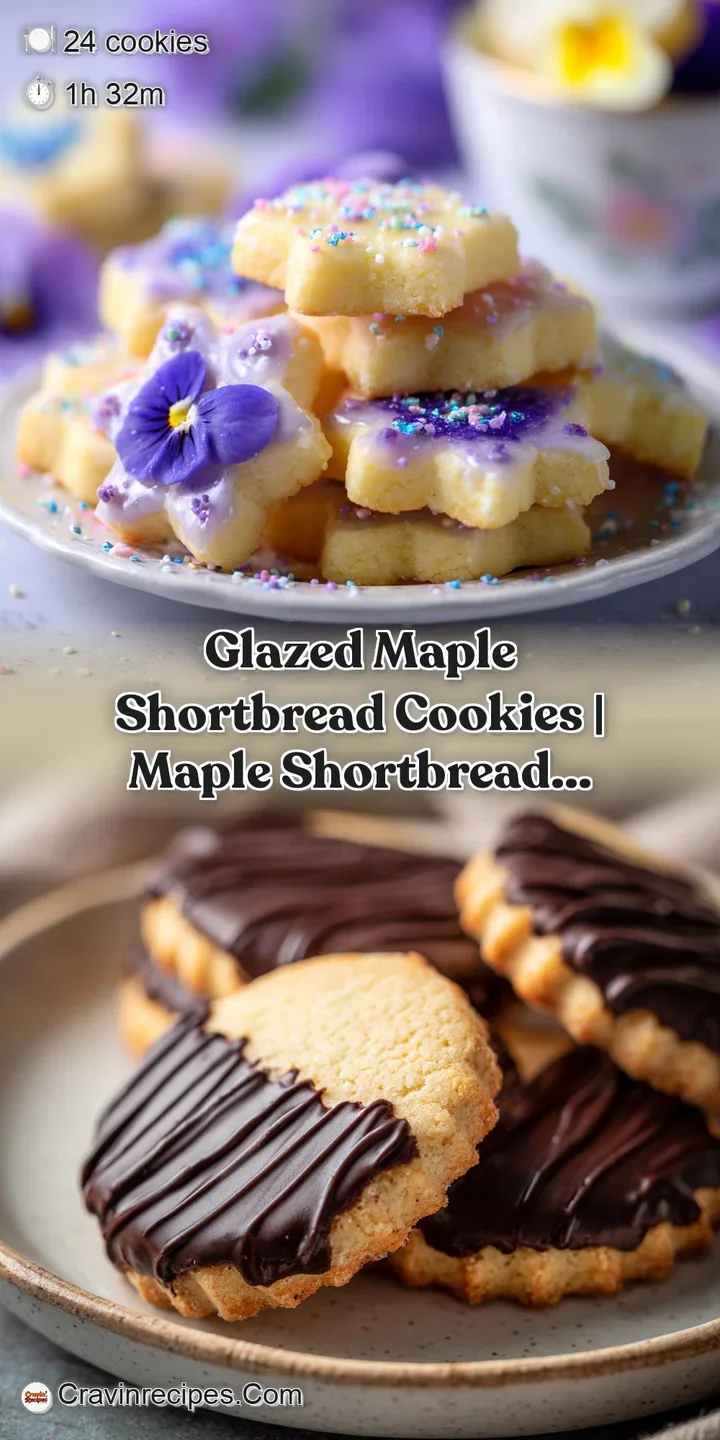
You are going to love the way the velvety maple icing sets into a soft, matte shell over the top of the biscuit. It adds a concentrated punch of sugar that complements the rich, salt flecked dough.
This isn't just a recipe; it's a sensory experience that starts with the scent of creamed butter and ends with the satisfying crunch of a perfectly baked treat. Let's get into the details of how to make these foolproof.
Essential Specs and Quick Metrics
Emulsion Stability: Adding maple syrup to butter requires a slow integration to prevent the fats from separating. If the syrup is too cold, the butter will clump, so ensure your syrup is at room temperature before you begin.
Cold Stabilization: The high butter content means these cookies will spread into puddles if the dough isn't chilled twice. The first chill relaxes the gluten, while the second chill ensures the butter is solid when it hits the heat.
Starch Interference: We use cornstarch to lower the overall protein content of the flour. This prevents the cookies from becoming "bready" and instead gives them that delicate, powdery finish that defines high end shortbread.
| Method | Time | Texture | Best For |
|---|---|---|---|
| Standard Oven | 12 minutes | Even golden color, crisp snap | Traditional, uniform results |
| Convection Oven | 10 minutes | Very dry, extra flaky | Bulk baking multiple trays |
| Stovetop "Bake" | 20 minutes | Pale, softer bottom | Small batches without an oven |
When choosing your oven method, remember that shortbread doesn't need high heat. We are essentially drying the dough out rather than "cooking" it in the traditional sense. A lower temperature of 325°F (165°C) allows the moisture to evaporate without burning the delicate sugars in the maple syrup.
The Secret of Chilling
The double chill process is the difference between a cookie that looks like a blob and one that looks professional. When you roll out the dough, the friction and the heat from your hands soften the butter.
By putting the cut shapes back into the fridge for 30 minutes, you ensure the fat stays trapped within the flour structure. This creates tiny air pockets as the butter melts in the oven, leading to a flakier texture.
Cornstarch and Cookie Texture
Cornstarch is the silent hero of this recipe. It doesn't have the gluten forming proteins that all purpose flour has. By replacing a small portion of the flour with cornstarch, we are essentially "weakening" the dough. This is exactly what you want for shortbread.
It ensures that when you take a bite, the cookie shatters into fine crumbs rather than resisting like a sugar cookie would.
Pure Syrup vs Extract
While we use a tiny bit of maple extract in the glaze for a punchy finish, the soul of this cookie is the pure maple syrup. Grade A Dark (formerly known as Grade B) is essential because it has a higher mineral content and a more robust flavor that survives the baking process.
Lighter syrups often get lost behind the heavy flavor of the butter, leaving you with a cookie that just tastes like plain sugar.
| Component Analysis | Science Role | Pro Secret |
|---|---|---|
| Unsalted Butter | Provides fat and structure | Use European style butter for higher fat content |
| Maple Syrup | Flavor and moisture | Room temperature syrup prevents butter curdling |
| Cornstarch | Tenderizes the crumb | Sift with flour to avoid tiny white lumps |
Essential Shopping List Breakdown
- 225g unsalted butter, softened: Why this? The fat source that creates the flaky layers and rich mouthfeel. You can substitute with a high-quality vegan butter stick, but ensure it has a high fat to water ratio.
- 60ml pure maple syrup, Grade A Dark: Why this? Provides the authentic woody sweetness and moisture. Honey works as a sub, but it will be much sweeter and lack the maple depth.
- 60g powdered sugar: Why this? Dissolves instantly for a smooth, non gritty dough. Granulated sugar can be used, but the texture will be crunchier and less "melt away."
- 300g all purpose flour: Why this? The structural base for the cookie dough. A 1:1 gluten-free flour blend works well here if it contains xanthan gum.
- 30g cornstarch: Why this? Softens the flour's protein for a delicate shatter. Arrowroot powder is a perfect 1:1 substitute if you are avoiding corn.
- 0.5 tsp fine sea salt: Why this? Balances the sugar and enhances the maple notes. Table salt is fine, but use slightly less as it is saltier by volume.
- 120g powdered sugar, sifted (for icing): Why this? Creates the bulk of the smooth, opaque glaze.
- 45ml pure maple syrup (for icing): Why this? Adds concentrated flavor and liquid to the glaze.
- 1 tsp heavy cream: Why this? Adds opacity and a creamy finish to the icing. Whole milk or almond milk works, though the glaze will be thinner.
- 0.25 tsp maple extract: Why this? Boosts the "maple" aroma which can fade during baking. Vanilla extract is a good backup for a more rounded flavor.
| Original Ingredient | Substitute | Why It Works |
|---|---|---|
| Pure Maple Syrup | Honey | Similar viscosity. Note: Lacks the woody maple flavor notes. |
| Cornstarch | Potato Starch | Same tenderizing effect. Note: Keep ratios identical for crumb. |
| Heavy Cream | Coconut Milk | High fat content. Note: Adds a very faint tropical aroma. |
Kitchen Equipment and Tools
You don't need a lot of fancy gear for these glazed maple shortbread cookies, but a few specific items make the job much easier. A large mixing bowl is a must, and while I love the ease of a stand mixer, a hand mixer gives you better control over the aeration.
You want to beat the butter until smooth, but you don't want to whip a ton of air into it like you would for a cake.
A 2 inch cookie cutter is the ideal size for a 24 cookie yield. If you go larger, you will need to increase the bake time. I also highly recommend using parchment paper or a silicone baking mat. Shortbread is delicate when warm, and trying to pry it off a naked baking sheet is a recipe for broken hearts.
A rolling pin with thickness rings is also a great "cheat" to ensure every cookie is exactly 1/4 inch thick.
Chef's Tip: If your kitchen is warm, freeze your rolling pin for 10 minutes before using it. This keeps the dough from sticking and prevents the butter from melting while you work.
Bringing the Dough Together
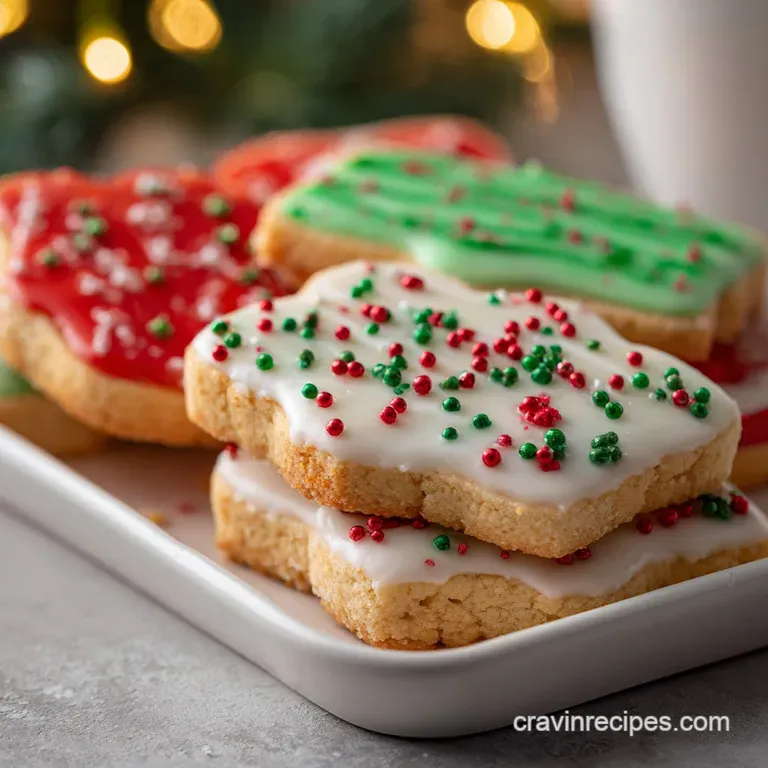
- Cream the fats. In a large mixing bowl, beat 225g of cool softened butter and 60g of powdered sugar until smooth but not aerated. Note: Over creaming creates air bubbles that make cookies puff and lose their shape.
- Emulsify the syrup. Slowly drizzle 60ml of maple syrup into the butter mixture while mixing on low speed. Note: You should see the mixture turn into a pale, velvety emulsion that smells like sweet cream.
- Incorporate dry goods. Sift 300g flour, 30g cornstarch, and 0.5 tsp salt over the butter. Fold in gently using a spatula until a cohesive dough forms. Stop as soon as the white streaks disappear to prevent toughness.
- First stabilization. Wrap the dough in plastic wrap and chill in the refrigerator for 30 minutes. Note: This makes the dough much easier to handle and roll without sticking.
- Roll and cut. Roll the chilled dough to 1/4 inch thickness on parchment paper. Use a 2 inch cutter to create 24 cookies.
- Second stabilization. Place the cut cookies on a baking sheet and chill for another 30 minutes. Do not skip this step if you want sharp, clean edges.
- Bake to set. Preheat your oven to 325°F (165°C). Bake for 12 minutes until the edges are just set and barely golden. The centers should still look pale.
- Cool completely. Transfer the cookies to a wire rack. They will be very soft at first but will firm up as the butter solidifies.
- Mix the glaze. Whisk 120g sifted powdered sugar, 45ml maple syrup, 1 tsp heavy cream, and 0.25 tsp maple extract. The aroma should be sharp and sweet.
- Apply the finish. Dip the top of each cooled cookie into the icing or drizzle it over the top. Let them sit for 20 minutes to allow the glaze to harden.
Phase 1: Creaming and Emulsifying
When you mix the butter and sugar, you are looking for a texture like thick frosting. When the maple syrup goes in, it might look like it wants to separate at first. Don't panic. Just keep the mixer on a low, steady speed. The scent at this stage is incredible like a breakfast cafe on a Sunday morning. If you love the scent of maple, check out these Peanut Butter Cookies which use a similar creamed fat technique for a rich finish.
Phase 2: Folding the Dry Base
Once the flour hits the wet ingredients, your goal is to be as gentle as possible. Gluten is the enemy of shortbread. If you overwork the dough, the cookies will be hard rather than crumbly. I like to use a "cut and fold" motion with a silicone spatula.
The dough should look a bit like damp sand before it finally clumps together into a smooth ball.
Fixing Common Cookie Problems
Why Shape Was Lost
If your cookies came out looking like melted puddles, the culprit is almost always temperature. Either the butter was too soft when it went into the oven, or you didn't chill the dough long enough. Another sneaky cause is over creaming the butter and sugar.
If you whip too much air into the mixture, that air expands in the heat and then collapses, causing the cookie to spread and flatten.
Why Glaze Is Thin
A transparent glaze is usually the result of too much liquid or not enough sifting. Powdered sugar can hold a lot of moisture, so if the humidity in your kitchen is high, you might need an extra tablespoon of sugar to get that opaque, white ish finish.
Also, the heavy cream is there for a reason it provides fat that helps the glaze stay thick and "set" rather than just soaking into the cookie.
| Problem | Root Cause | Solution |
|---|---|---|
| Cookies are tough | Over mixing flour | Mix only until dough just holds together. |
| Edges are burnt | Oven too hot | Calibrate oven; aim for 325°F (165°C) exactly. |
| Glaze won't set | Too much syrup | Add 1 tbsp powdered sugar at a time until thick. |
Common Mistakes Checklist
- ✓ Always use a kitchen scale for the flour (300g) to avoid a dry, sandy dough.
- ✓ Ensure the butter is "cool softened" it should dent with pressure but still feel cold.
- ✓ Sift the powdered sugar for the glaze to avoid tiny white clumps on your cookies.
- ✓ Wait for the cookies to be 100% cold before glazing, or the icing will melt off.
- ✓ Don't skip the cornstarch; it is what gives the cookie its professional "shatter."
Creative Flavor Mix Options
If you want to vary the recipe, you can easily tweak the dry ingredients. For a "Maple Pecan" twist, pulse 50g of toasted pecans in a food processor until they are a fine meal and replace 50g of the flour with them. The oils from the nuts make the cookie even more indulgent.
You could also add a pinch of cinnamon or nutmeg to the flour to lean into those warm, autumnal flavors.
For a more modern take, try a "Salted Maple" version. After you glaze the cookies, sprinkle a few flakes of Maldon sea salt over the top while the icing is still wet. The contrast between the sharp salt and the deep maple sweetness is sophisticated and keeps you coming back for "just one more." If you enjoy experimenting with classic bases, you might also like my Chocolate Chip Cookies which use brown butter to achieve a similar depth of flavor.
| Method | Down (1/2 Batch) | Up (2x Batch) |
|---|---|---|
| Ingredients | Use 112g butter, 150g flour | Use 450g butter, 600g flour |
| Mixing | Mix by hand to avoid over beating | Work in two batches if bowl is small |
| Baking | No change to time/temp | Increase time by 2-3 mins if tray is crowded |
Storing and Reheating Tips
Shortbread is one of the best cookies for storage because it has such a low moisture content. In an airtight container, these glazed maple shortbread cookies will stay fresh at room temperature for up to 7 days.
In fact, many people (myself included) think they taste better on day two once the maple flavor has had time to fully permeate the buttery dough.
If you want to save them for later, they freeze beautifully. I recommend freezing them before glazing. Wrap the naked, cooled cookies in plastic wrap and then place them in a freezer bag for up to 3 months.
When you are ready to serve, let them thaw at room temperature for an hour and then apply a fresh batch of glaze. This keeps the icing looking glossy and prevents it from getting tacky in the freezer.
Zero Waste Tip: If you have leftover glaze, don't toss it! It is incredible drizzled over morning oatmeal or stirred into a cup of coffee. You can also save any dough scraps, roll them into small "buttons," and bake them for 8 minutes to use as a crunchy topping for vanilla ice cream.
Perfect Pairing and Serving
These cookies are the ultimate companion for a hot beverage. The high butter content means they hold up well to a quick dunk in a cup of Earl Grey tea or a dark roast coffee. The maple notes particularly shine when paired with a smoky Lapsang Souchong tea, which plays off the woody notes of the Grade A Dark syrup.
It creates a very grown up, sophisticated flavor profile.
If you are serving these as part of a larger dessert board, pair them with sharp cheddar cheese or crisp apple slices. The acidity and saltiness of the cheese cut through the richness of the shortbread in a way that is surprisingly addictive.
Searing meat does not "seal in juices," and similarly, "creaming" butter doesn't mean you should beat it until it's fluffy like a cloud for shortbread. Searing is about flavor, and creaming shortbread is just about incorporating sugar.
If you over aerate this dough, the cookies will puff up in the oven and lose the beautiful, sharp edges you worked so hard to cut. Keep your mixing times short and your ingredients cool for the best results.
Another myth is that you can substitute maple syrup with maple flavored pancake syrup. Please, don't do this. Pancake syrup is mostly high fructose corn syrup and artificial flavorings.
It lacks the acidity and the complex sugar structure of the real deal, and it will result in a sticky, cloying cookie that lacks any real character. Stick to the pure stuff your taste buds will thank you.
Recipe FAQs
Why is it necessary to chill the dough twice?
Chilling prevents spreading and ensures a clean shape. The first chill stabilizes the fats for easy rolling, while the second chill before baking keeps the cookies firm so they maintain their crisp, defined edges.
How to avoid over creaming the butter and sugar?
Beat only until smooth to maintain the signature dense shortbread texture. If you enjoyed mastering this specific fat-handling technique, see how we apply similar precision in our soft and chewy cookies to achieve the perfect crumb.
Can I use salted butter instead of unsalted?
Is it true the cookies must be golden brown before removing from the oven?
No, this is a common misconception. You should remove them when the edges are just set and only barely golden, as they continue to firm up while cooling on the wire rack.
How to ensure the maple glaze is the right consistency?
Whisk the sugar, syrup, cream, and extract until completely smooth and pourable. If the glaze feels too thick to drizzle, add a tiny extra drop of heavy cream until it reaches your desired coating consistency.
Can I store the cookies in the refrigerator?
How to freeze these cookies for later?
Wrap the unglazed, cooled cookies in plastic wrap and store them in a freezer bag. Keeping them unglazed prevents the icing from softening or becoming sticky during the thawing process, and they will stay good for up to 3 months.
Glazed Maple Shortbread Cookies
Ingredients:
Instructions:
Nutrition Facts:
| Calories | 163 kcal |
|---|---|
| Protein | 1.3 g |
| Fat | 7.7 g |
| Carbs | 22.2 g |
| Fiber | 0.4 g |
| Sugar | 11.4 g |
| Sodium | 49 mg |
