Homemade Hamburger Helper Beef Pasta: One-Pot Recipe
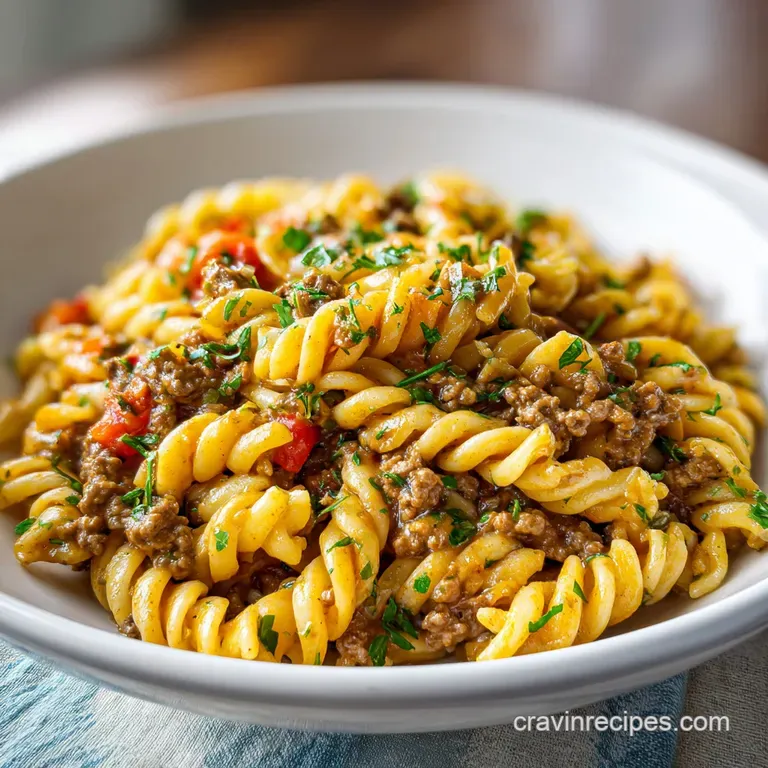
- Time: Active 10 minutes, Passive 20 minutes, Total 30 minutes
- Flavor/Texture Hook: Savory, velvety cheese sauce with deeply browned beef
- Perfect for: Busy weeknights and picky eaters
- Perfect Homemade Hamburger Helper Beef Pasta
- Why This Hearty Skillet Dish Works
- Component Analysis for Skillet Success
- Choosing Ingredients for Better Beef Pasta
- Essential Tools for Skillet Cooking
- Simple Steps for Creamy Macaroni
- Fixing Common Skillet Cooking Mistakes
- Easy Variations for Family Dinners
- Guidelines for Scaling Your Recipe
- Storing and Reheating Your Leftovers
- Debunking Common Skillet Cooking Myths
- Best Ways to Serve Beef Pasta
- Recipe FAQs
- 📝 Recipe Card
Perfect Homemade Hamburger Helper Beef Pasta
We've all been there. It’s 6:00 PM, the kids are circling like sharks, and you reach for that familiar blue box because it’s "easy." But then you eat it. The sauce is weirdly neon, the pasta is mushy, and it leaves that strange salty film on the roof of your mouth.
I used to think that was just the price we paid for a 30 minute dinner, but I was so wrong.
The real problem with the boxed stuff isn't the convenience; it's the lack of actual texture and depth. When I first tried making a homemade hamburger helper beef pasta, I made the mistake of boiling the pasta separately.
It was a disaster the sauce just slid off the noodles, leaving a watery mess at the bottom of the bowl. It lacked that "hug in a bowl" feeling we crave from comfort food.
This recipe is the targeted fix for that watery, bland disappointment. We’re going to use one skillet, some pantry staples, and a little bit of kitchen logic to get a result that’s actually velvety and rich. No more rubbery beef or sad, broken sauces.
Just a hearty, no fuss meal that tastes like you actually spent an hour at the stove, even though you’ll be sitting down to eat in just 30 minutes.
Why This Hearty Skillet Dish Works
- Starch Concentration: Cooking the 225g of dry macaroni directly in the beef broth and milk allows the pasta to release its natural starches into the liquid, creating a self thickening sauce without needing a flour roux.
- Emulsification Bridge: The inclusion of a single teaspoon of yellow mustard acts as a natural emulsifier, helping the fats from the 450g of beef and the whole milk stay bonded together rather than separating into an oily mess.
- The Fond Factor: By browning the beef and onions until they reach a mahogany color, we create "fond" (those little browned bits), which dissolves into the broth to provide a deep, savory backbone that powder packets can't touch.
- Enzymatic Stability: Adding the 2 cups of freshly grated cheddar only after removing the pan from the heat prevents the cheese proteins from tightening and turning "grainy" or "oily" from high heat.
| Method | Time | Texture | Best For |
|---|---|---|---|
| Stovetop Skillet | 30 minutes | Velvety and glossy | Quick weeknight dinners |
| Slow Cooker | 4 hours | Ultra tender beef | Set it and forget it prep |
| Instant Pot | 20 minutes | Firm pasta, thick sauce | Last minute emergencies |
Choosing the stovetop method is almost always the winner here because you have total control over the evaporation. If the sauce looks too thin, you just simmer it for another minute. If it's too thick, a splash of milk fixes it instantly.
It's the most reliable way to ensure your beef pasta doesn't end up looking like soup.
Component Analysis for Skillet Success
| Ingredient | Science Role | Pro Secret |
|---|---|---|
| Lean Ground Beef | Provides protein structure and savory fats. | Let it sit undisturbed for 3 minutes to get a dark crust. |
| Tomato Paste | Adds acidity to balance the fat and deepens the color. | "Toast" it in the center of the pan until it smells like roasted tomatoes. |
| Whole Milk | Contributes calcium and fats for a creamy mouthfeel. | Use room temperature milk to prevent the sauce from "shocking" and breaking. |
| Sharp Cheddar | Acts as the primary flavor and thickening agent. | Always grate it yourself; pre shredded is coated in cellulose that prevents melting. |
Most people underestimate how much that little bit of tomato paste matters. It’s not there to make it taste like spaghetti sauce; it’s there to provide umami. When you stir it into the beef and let it darken for those 2 minutes, you're essentially concentrating the sugars, which makes the whole dish taste much more "meaty."
Choosing Ingredients for Better Beef Pasta
- 450g (1 lb) Lean Ground Beef (90/10): I prefer 90/10 because it gives you enough fat for flavor without leaving a swimming pool of grease in the pan. Why this? Keeps the sauce from becoming overly greasy and separating.
- 0.5 Yellow Onion: Finely diced so it melts into the sauce. Why this? Provides a foundational sweetness that balances the salty broth.
- 2 cloves Garlic: Minced fresh. Why this? Fresh garlic has much more "bite" than the jarred stuff.
- 2 tbsp Tomato Paste: The secret for color and depth. Why this? It bridges the gap between the beef and the creamy sauce.
- 1 tsp Smoked Paprika: Gives it a subtle "cooked over a flame" vibe. Why this? Adds a layer of complexity that mimics a slow simmered chili.
- 1 tsp Garlic Powder & 1 tsp Onion Powder: Yes, even with the fresh stuff. Why this? Powdered spices distribute more evenly throughout the pasta tubes.
- 0.5 tsp Salt & 0.25 tsp Black Pepper: Adjust to your preference. Why this? Essential for waking up all the other flavors.
- 1 tsp Yellow Mustard: Trust me on this one. Why this? The vinegar cuts the richness and the mustard seeds help emulsify.
- 475ml (2 cups) Low Sodium Beef Broth: Always go low sodium. Why this? You can always add salt, but you can't take it out.
- 355ml (1.5 cups) Whole Milk: Don't use skim here. Why this? The fat in whole milk creates a much more velvety texture.
- 225g (8 oz) Dry Elbow Macaroni: The classic shape. Why this? The hollow tubes trap the sauce inside every bite.
- 225g (2 cups) Sharp Cheddar Cheese: Freshly grated from a block. Why this? Ensures a perfectly smooth, glossy finish without clumps.
| Original Ingredient | Substitute | Why It Works |
|---|---|---|
| Ground Beef | Ground Turkey | Leaner, but needs an extra pinch of salt for flavor. |
| Beef Broth | Chicken Broth | Lighter flavor; works fine in a pinch. |
| Elbow Macaroni | Shells or Rotini | Similar surface area; Note: May need 2 extra minutes of simmering. |
If you find yourself out of beef but still craving that comfort, this recipe works surprisingly well with other proteins. If you're looking for something a bit different but in the same "one pot" family, you might really enjoy my Creamy Garlic Parmesan Chicken which uses a very similar technique for the sauce.
Essential Tools for Skillet Cooking
For this recipe, you really only need one main piece of equipment: a large, heavy bottomed skillet or a Dutch oven. I usually reach for my 12 inch cast iron skillet or a stainless steel pan.
The heavy bottom is non negotiable because it distributes heat evenly, preventing the milk and cheese from scorching on the bottom while the pasta simmers.
You’ll also want a sturdy wooden spoon or a heat resistant spatula. You need something strong enough to scrape the bottom of the pan to release that flavor packed fond. A box grater is your best friend here too don’t even look at the pre shredded cheese bag.
Grating 225g of cheese takes about 90 seconds and makes a massive difference in the final texture.
Simple Steps for Creamy Macaroni
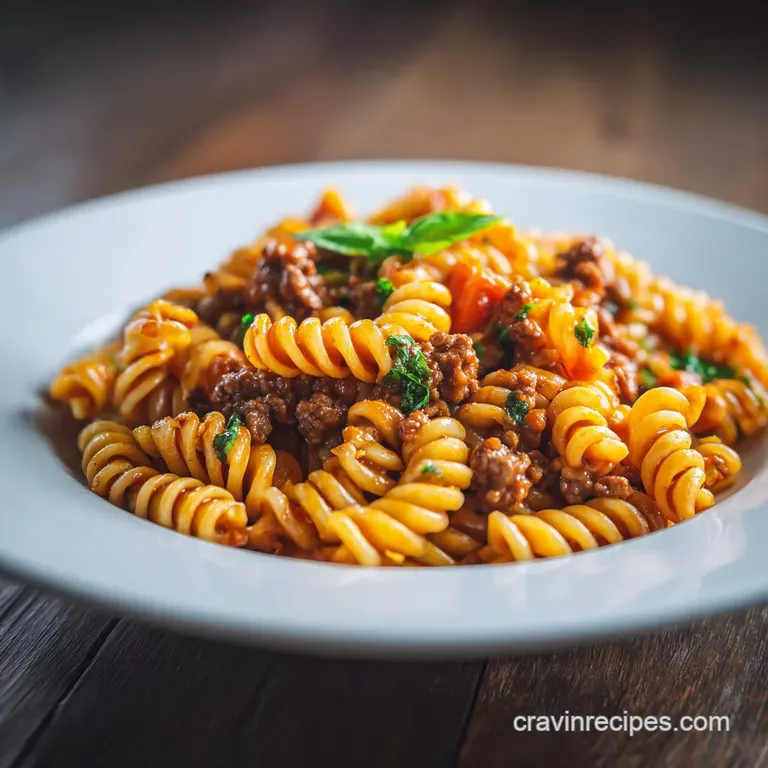
- Brown the beef. Place your skillet over medium high heat. Add the 450g of ground beef and the diced half onion. Use your spoon to break the meat into small crumbles. Cook for about 6-8 minutes until the beef is a deep mahogany color.
- Drain the fat. Tip the skillet and spoon out most of the grease, leaving about 15ml (1 tablespoon) in the pan for flavor.
- Toast the aromatics. Add the minced garlic and 2 tablespoons of tomato paste. Stir constantly for 2 minutes until the paste turns a shade darker and smells toasted. Note: This removes the raw metallic taste of the paste.
- Season the base. Stir in the smoked paprika, garlic powder, onion powder, salt, pepper, and yellow mustard. Make sure the beef is evenly coated in the spices.
- Deglaze the pan. Pour in the 475ml of beef broth and 355ml of whole milk. Use your spoon to scrape up all the brown bits stuck to the bottom.
- Simmer the pasta. Add the 225g of dry macaroni. Bring to a gentle boil, then immediately turn the heat down to medium low.
- Cook covered. Put a lid on the skillet and simmer for 10-12 minutes. Stir every few minutes until the pasta is tender and the liquid has thickened into a creamy sauce.
- The final melt. Turn off the heat entirely. Add the 2 cups of grated cheddar cheese in two batches, stirring until the sauce is glossy and the cheese is fully incorporated.
- Rest and serve. Let it sit for 2-3 minutes to let the sauce tighten up slightly. Garnish with parsley if you're feeling fancy and serve.
Fixing Common Skillet Cooking Mistakes
Why Your Beef Pasta is Watery
If you open the lid and see a soup instead of a creamy pasta dish, don't panic. This usually happens if the heat was too low or the lid wasn't tight enough, preventing enough evaporation. It can also happen if you accidentally measured too much broth.
| Problem | Root Cause | Solution |
|---|---|---|
| Thin Sauce | Not enough evaporation or low starch. | Simmer uncovered for 3 extra mins; the starch will thicken it. |
| Grainy Texture | Cheese added to boiling liquid. | Remove from heat before adding cheese; stir gently. |
| Crunchy Pasta | Not enough liquid or uneven heat. | Add 60ml of hot broth and simmer covered for 2 more mins. |
Another common culprit for a "broken" sauce is the temperature of the dairy. If you add ice cold milk to a scorching hot pan, it can sometimes curdle. It's always a good idea to let your milk sit on the counter for a few minutes while you prep your onions and garlic.
Common Mistakes Checklist
- ✓ Don't skip the browning: If the meat is grey, the dish will be bland. Wait for that dark crust.
- ✓ Grate your own cheese: I'll say it a thousand times pre shredded cheese is the enemy of a smooth sauce.
- ✓ Stir during the simmer: Pasta loves to stick to the bottom of the pan. Give it a toss every 3-4 minutes.
- ✓ Check your pasta early: Different brands of macaroni cook at different speeds. Start checking for tenderness at the 9 minute mark.
- ✓ Let it rest: The sauce actually finishes setting up off the heat. Those 3 minutes of resting are crucial for that "helper" consistency.
Easy Variations for Family Dinners
If you want to change things up, this base is incredibly forgiving. If you're a fan of a bit more heat, you can turn this into a "Chili Mac" by adding a teaspoon of chili powder and a can of drained kidney beans when you add the pasta. It makes the dish even heartier and stretches the servings further.
For those trying to sneak in some nutrition, you can add finely chopped bell peppers or even some frozen peas during the last 5 minutes of simmering. The peas stay bright green and pop in your mouth, which my kids actually love. If you find yourself with extra ground beef and want to try another classic, my Homemade Meatloaf recipe is a great way to use it up.
- Decision Shortcut
- If you want X, do Y
- If you want it spicier
- Add 1/2 tsp red pepper flakes or a diced jalapeño with the onions.
- If you want it richer
- Swap 1/2 cup of the milk for heavy cream.
- If you want it lighter
- Use ground turkey and 2% milk, though it won't be quite as velvety.
Guidelines for Scaling Your Recipe
Scaling Down (Making it for 2) To make a half batch, use a smaller skillet (8 or 10 inch). You can use exactly half of all ingredients, but be careful with the simmering time. Because there is less volume, the liquid can evaporate faster. Check the pasta for doneness at the 8 minute mark.
Scaling Up (Feeding a Crowd) When doubling the recipe, you’ll need a large 5-6 liter Dutch oven. I recommend only using 1.5x the amount of salt and spices initially, then tasting at the end flavors tend to concentrate more in larger batches.
You may also need to increase the simmer time by 3-5 minutes because it takes longer for a larger volume of liquid to stay at a consistent temperature.
Storing and Reheating Your Leftovers
In the Fridge: This dish stays great for up to 4 days. Store it in an airtight container as soon as it reaches room temperature. Note that the pasta will continue to soak up the sauce as it sits, so it will be much thicker the next day.
In the Freezer: You can freeze this for up to 3 months. However, be warned that dairy based sauces can sometimes "split" when thawed. To fix this, reheat it slowly on the stove and add a splash of fresh milk while stirring to bring the emulsion back together.
Zero Waste Tip: If you have leftover beef broth that didn't make it into the 475ml measurement, don't toss it! Freeze it in an ice cube tray. Next time you're sautéing vegetables or making a quick pan sauce, pop a couple of broth cubes in for an instant flavor boost. You can also use leftover diced onions and garlic to start a base for my Cabbage Roll Soup later in the week.
Debunking Common Skillet Cooking Myths
One big myth is that you should rinse your pasta after cooking it to prevent it from being "gummy." In this recipe, that would be a catastrophe! We actually want those starches to stay in the pan because they are what makes the sauce thick and creamy.
Rinsing pasta is only for cold pasta salads; never do it for a hot dish.
Another misconception is that searing the meat "seals in the juices." Science tells us that's not actually true moisture loss happens anyway. However, we sear the beef because of the flavor development. That dark brown crust is where all the savory, complex notes come from.
If you just boil the meat in the liquid, it will taste flat and boring.
Best Ways to Serve Beef Pasta
While this is a complete meal on its own, I love serving it with something bright and crunchy to cut through the richness. A simple side salad with a lemon vinaigrette or some steamed broccoli with a squeeze of lime works perfectly. It balances out the heavy, cheesy nature of the skillet.
For the best presentation, don't just scoop it onto a plate. Use a shallow bowl and garnish with a big pinch of fresh parsley or even some sliced green onions. If you're feeling particularly "comfort food focused," a side of garlic bread is never a bad idea.
It's the perfect tool for swiping up every last drop of that velvety cheese sauce left at the bottom of the bowl.
- 1. Beef Color
- Ensure the meat hits 74°C (165°F) and has no traces of pink before adding the liquids.
- 2. Liquid Ratio
- 830ml total liquid (broth + milk) to 225g of pasta is the "golden ratio" for this specific cook time.
- 3. The Simmer
- Keep the liquid at a "gentle bubble" if it's a rolling boil, the milk may scorch; if it's too still, the pasta will turn to mush before it's cooked.
Recipe FAQs
What are the ingredients in Hamburger Helper beef pasta?
This recipe uses 1 lb lean ground beef, 0.5 yellow onion, 2 cloves minced garlic, 2 tbsp tomato paste, 1 tsp smoked paprika, 1 tsp garlic powder, 1 tsp onion powder, 0.5 tsp salt, 0.25 tsp black pepper, 1 tsp yellow mustard, 2 cups beef broth, 1.5 cups whole milk, 8 oz elbow macaroni, and 2 cups freshly grated
sharp cheddar. These specific components create the classic savory flavor profile.
How to make beef burger pasta?
Brown the beef and onion in a skillet over medium high heat until deeply colored, then drain excess fat. Stir in garlic and tomato paste for 2 minutes, add spices and mustard, pour in liquids, and simmer the macaroni for 10-12 minutes before stirring in the cheddar off the heat.
Can you make Hamburger Helper with meat?
Yes, 1 lb of lean ground beef is essential for the structure and depth of this dish. Browning the meat until it reaches a deep, mahogany color provides the foundational flavor that makes this meal successful.
Can you use any pasta for Hamburger Helper?
Use elbow macaroni for the best result. Other shapes may require different liquid ratios or cooking times to achieve the correct starch release needed for a velvety sauce.
Why is my sauce grainy instead of smooth?
False, the graininess is usually caused by using pre-shredded cheese. Always grate your own sharp cheddar, as store-bought bags contain anti caking agents that prevent a smooth, glossy emulsion. If you appreciate the importance of using fresh ingredients to maintain a silky texture, you will see how we use the same sharp flavor profile in our other pasta dishes.
How to fix pasta that is stuck to the bottom of the pan?
Stir the mixture every 3-4 minutes during the simmer phase. Maintaining active movement in the pan prevents the starch from bonding to the metal and ensures even cooking.
Is it true I can substitute the beef broth for water?
No, this is a common misconception. Using water will significantly dilute the savory foundation of the dish; beef broth is necessary to replicate the depth of flavor found in the classic meal.
Homemade Hamburger Helper Pasta
Ingredients:
Instructions:
Nutrition Facts:
| Calories | 476 kcal |
|---|---|
| Protein | 34.2 g |
| Fat | 21.2 g |
| Carbs | 33.8 g |
| Fiber | 1.4 g |
| Sugar | 4.1 g |
| Sodium | 485 mg |
