Homemade Pizza Dough Recipe: Italian Style
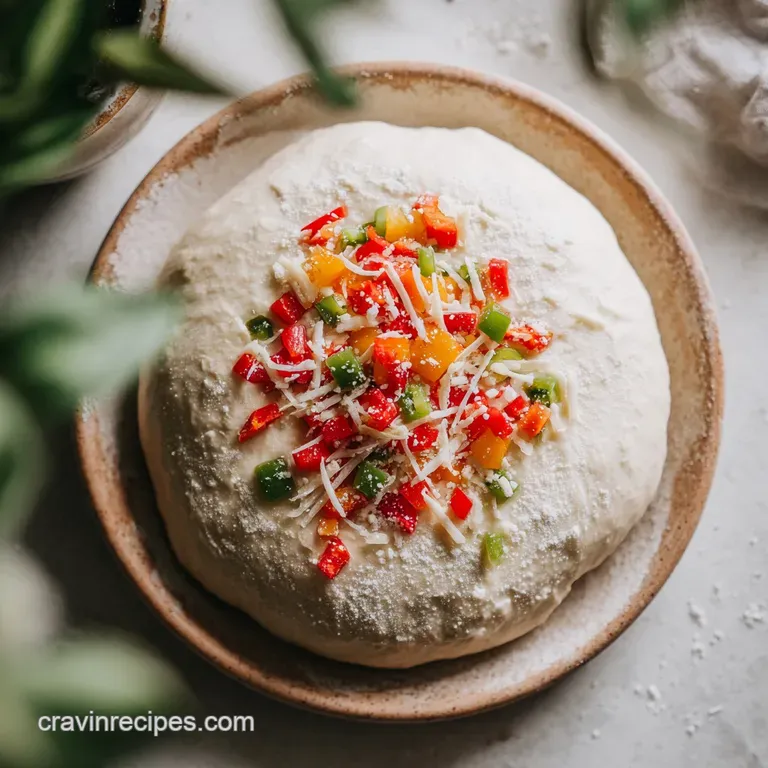
- Time: Active 15 mins, Passive 1 hour 10 mins, Total 1 hour 25 mins
- Flavor/Texture Hook: A velvety, pliable dough that transforms into a shatter crisp crust with a tender, airy interior.
- Perfect for: Stress free Friday family nights or beginner bakers looking for a win.
- Master the Ultimate Homemade Pizza Dough Recipe
- The Physics of Flour and Yeast
- Practical Timing for Your Dough
- Selecting Quality Ingredients for Success
- Essential Tools for Home Pizza
- Making This Pizza Dough at Home
- Fixing Common Mistakes and Texture
- Simple Flavor Variations to Try
- Storing and Freezing Your Dough
- Hearty Pairings for Your Pizza
- Homemade Pizza Dough FAQs
- 📝 Recipe Card
Master the Ultimate Homemade Pizza Dough Recipe
Nothing beats the smell of yeast waking up in a warm kitchen on a Friday afternoon. I remember the first time I tried making this, I was so worried about the "perfect" circle that I ended up overworking the dough until it was as tough as a literal boot.
We ate it anyway, but I learned a valuable lesson: pizza is about soul and texture, not geometry. Now, when I hear that specific sizzle as the dough hits a hot stone and see those beautiful air bubbles charring under the broiler, I know we're in for a treat.
This homemade pizza dough recipe is my go to because it's no fuss and yields a crust that actually holds up to a mountain of toppings without turning into a soggy mess. We've all been there, holding a slice that just flops over like a sad piece of cardboard. This recipe fixes that.
It’s hearty enough for the kids to help stretch and shape, and the results are consistently better than anything you’d get delivered in a cardboard box.
Trust me, once you feel the velvety texture of properly kneaded dough under your palms, you’ll never go back to the store-bought stuff. It’s a bit of a sensory experience the soft resistance of the flour, the earthy aroma of the yeast, and finally, the rewarding "crunch" when you take that first bite.
Let's get into how we make this happen in a standard home kitchen without needing a fancy wood fired oven.
The Physics of Flour and Yeast
Getting that specific "shatter" on the bottom of your crust isn't magic; it’s about managing moisture and heat. When we use bread flour, we are intentionally choosing a high protein environment that allows for a strong gluten network to trap the gases released by the yeast.
- Gluten Architecture
- High protein bread flour creates a sturdy structure that traps carbon dioxide bubbles, resulting in a chewy, airy crumb.
- The Maillard Response
- Sugar and proteins react under high heat to create that deep golden brown color and complex savory flavor.
- Thermal Shock
- Placing room temperature dough onto a preheated surface causes immediate steam expansion for a better "oven spring."
| Method | Time | Texture | Best For |
|---|---|---|---|
| Standard Bake | 10 mins | Chewy and soft | Family weeknights |
| Pizza Stone | 8 mins | Shatter crisp bottom | Authentic texture |
| Cast Iron Pan | 12 mins | Fried, thick edges | Deep dish lovers |
The standard bake is great for a no fuss meal, but if you have a stone, use it for that Italian pizza dough recipe feel. If you’re looking for a hearty variation, you might even consider trying a Whole Grain Bread recipe for a different kind of dough day.
Practical Timing for Your Dough
This recipe is designed to fit into a busy afternoon without feeling like a chore. You spend about 15 minutes actually touching the ingredients, and the rest is just letting nature do the work while you relax or prep your favorite toppings.
| Process Stage | Duration | Visual Cue | Goal |
|---|---|---|---|
| Yeast Bloom | 5 mins | Foam on surface | Active fermentation |
| Initial Knead | 10 mins | Smooth, tacky ball | Gluten development |
| Bulk Rise | 60 mins | Doubled in size | Flavor & air |
| Final Bake | 10 mins | Golden and charred | Crispy finish |
Between the mixing and the rising, you have plenty of time to clear the counter and get the kids involved in grating the cheese. If you're planning a larger gathering, you can easily double this recipe, though I recommend working in batches for the kneading part to keep it manageable.
Selecting Quality Ingredients for Success
I’ve found that using the right components makes the difference between a "fine" pizza and one that people talk about all week. We’re using sea salt for a cleaner bite and bread flour for that essential chew that defines the best pizza dough recipe.
- Warm Water (355ml): Must be between 105°F–115°F. Why this? Temperatures above this kill yeast; below this, they won't wake up.
- Active Dry Yeast (2.25 tsp): This is your leavening powerhouse. Why this? Provides a reliable rise and that classic fermented aroma.
- Bread Flour (475g): High protein content for structure. Why this? Creates a chewy texture that doesn't tear easily.
- Extra Virgin Olive Oil (30ml): Adds fat and flavor. Why this? Tenderizes the crumb and helps the edges crisp up.
| Component | Role in Dough | Pro Secret |
|---|---|---|
| Yeast | Gas Production | Use fresh packets; old yeast stays flat. |
| Bread Flour | Structural Integrity | Weigh it for accuracy; 475g is key. |
| Sea Salt | Flavor Control | Fine salt dissolves faster into the matrix. |
Using honey instead of sugar is a great no fuss swap that adds a tiny hint of floral sweetness to the dough. If you are out of bread flour, all purpose works, but your crust will be slightly softer and less "bready."
Essential Tools for Home Pizza
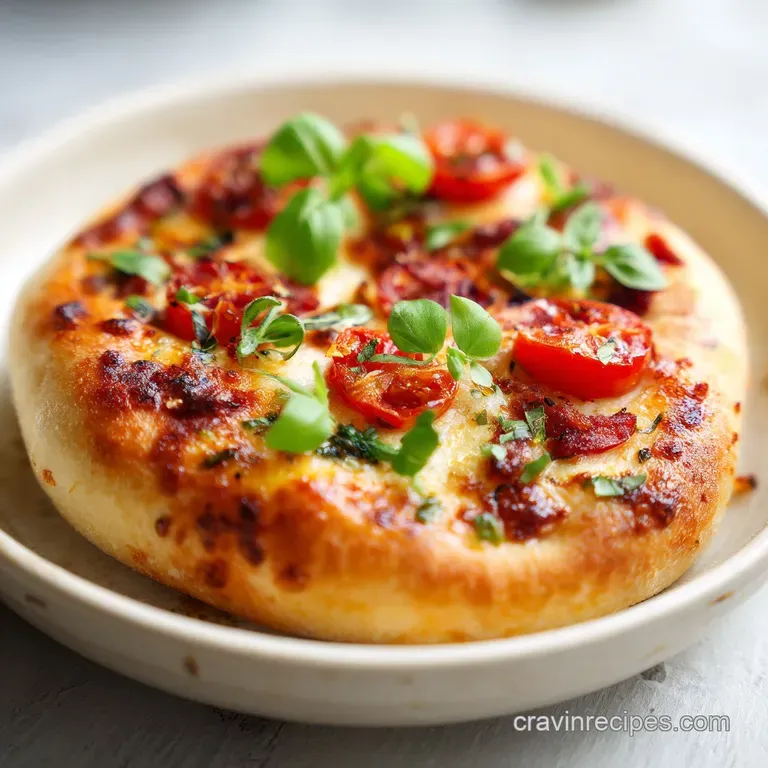
You don't need a professional kitchen, but a few specific items make the process much smoother. I personally love a heavy baking sheet or a cast iron pizza pan for consistent heat distribution.
- Large Mixing Bowl: Plenty of room for the rise.
- Kitchen Scale: To measure exactly 475g of flour (trust me, it matters).
- Bench Scraper: Essential for dividing the dough without tearing it.
- Rolling Pin or Hands: I prefer hands for a rustic look, but a pin works for thin crust.
- Parchment Paper: Prevents the dreaded "stuck to the pan" tragedy.
Chef's Note: If your kitchen is cold, turn on your oven for 1 minute, turn it off, and then place the dough bowl inside. The residual warmth creates a perfect proofing box for a quick pizza dough recipe.
Making This Pizza Dough at Home
Let's walk through the steps to transform these basic ingredients into a hearty meal. This process is about patience and feeling the dough change from a shaggy mess into a silky, elastic ball.
- Bloom the yeast. Combine 355ml warm water with 1 tsp sugar and 2.25 tsp active dry yeast in a bowl. Note: Wait 5 minutes until it’s frothy.
- Add the liquids. Stir in 30ml extra virgin olive oil and 2 tsp fine sea salt into the yeast mixture.
- Incorporate the flour. Gradually add 475g bread flour, stirring until a shaggy dough forms.
- Knead the dough. Turn onto a floured surface and knead for 10 minutes until smooth and elastic. Note: It should pass the "windowpane test."
- First rise. Place in a greased bowl, cover with a damp cloth, and let sit for 1 hour until doubled in volume.
- Preheat the oven. Set your oven to 475°F (245°C) and place your baking surface inside. Note: A hot pan is crucial for a crisp base.
- Punch and divide. Gently deflate the dough and cut it into two equal portions for two medium pizzas.
- Shape the crust. Stretch the dough on parchment paper dusted with 1 tbsp cornmeal until it reaches your desired thickness.
- Add your toppings. Spread your sauce and cheese, keeping the edges clear for the crust to rise.
- Bake the pizza. Slide into the oven for 10 minutes until the cheese is bubbling and the edges are golden.
If you're looking for a fun side to go with your homemade pizza dough, these Air Fryer Mozzarella sticks are a huge hit with my kids and use a similar "comfort food" vibe.
Fixing Common Mistakes and Texture
Even with a simple pizza dough recipe, things can occasionally go sideways. The most common issue I hear about is the dough "fighting back" when you try to stretch it. This is usually just the gluten being a bit too tight.
Dough Snaps Back
If you try to pull the dough and it shrinks right back to its original size, it’s not ruined. It just needs to rest. When we knead or shape, we are tensioning the gluten. If it's too tense, it won't stretch. Simply cover it and walk away for 10-15 minutes.
When you come back, the proteins will have relaxed, and you can stretch it easily.
Soggy Crust Fixes
A soggy middle is usually caused by too many "wet" toppings or an oven that isn't hot enough. Make sure you aren't using watery fresh mozzarella without draining it first. Also, preheating your pan or stone is non negotiable for a quick pizza dough recipe that actually crisps up.
| Problem | Root Cause | Solution |
|---|---|---|
| Dough is too sticky | Excess moisture in flour | Add flour 1 tbsp at a time while kneading. |
| No rise in dough | Water was too hot | Start over with water at 105°F–115°F. |
| Crust is too tough | Overworked or dry dough | Reduce kneading time; ensure 355ml water used. |
Common Mistakes Checklist ✓ Always check your yeast expiration date before starting. ✓ Don't skip the 10 minute knead; it creates the "chew." ✓ Ensure the oven is fully preheated for at least 30 minutes.
✓ Use cornmeal on the bottom to prevent sticking and add crunch. ✓ Avoid piling too much sauce in the center to prevent sogginess.
Simple Flavor Variations to Try
Once you've mastered the basic dough recipe, it’s fun to mix things up. I like to add dried herbs directly into the flour for an Italian pizza dough recipe that smells incredible before it even hits the oven.
- The Herb Crust: Add 1 tbsp of dried oregano and 1 tsp of garlic powder to the flour.
- Honey Wheat: Swap 1 cup of bread flour for whole wheat and use honey as the sweetener.
- Cheesy Edge: Place string cheese around the perimeter and fold the dough over for a stuffed crust.
- Spicy Kick: Knead in a teaspoon of crushed red pepper flakes for a subtle heat.
If you want a different kind of hearty meal, I often use the same flavor profiles in my Homemade Meatloaf Recipe for a comforting Sunday dinner.
| Original Ingredient | Substitute | Why It Works |
|---|---|---|
| Bread Flour (475g) | All Purpose Flour (475g) | Lower protein. Note: Result is softer and less chewy. |
| Sugar (1 tsp) | Honey (1 tsp) | Natural sugar. Note: Adds a subtle floral note to the dough. |
| Sea Salt (2 tsp) | Table Salt (1.5 tsp) | Table salt is finer; use less to avoid over salting. |
Storing and Freezing Your Dough
This dough is a meal prep hero. I often make a double batch because it actually tastes better after a day or two in the fridge. The slow fermentation develops complex flavors that you just can't get in an hour.
- Fridge: Store in an airtight container for up to 3 days. The cold slows the yeast but doesn't stop it.
- Freezer: Wrap individual dough balls tightly in plastic wrap and place in a freezer bag. They stay good for 3 months. To use, thaw in the fridge overnight.
- Zero Waste: If you have leftover dough scraps, roll them in cinnamon sugar and bake them for "pizza fries." Or, use the extra dough to make quick flatbreads for lunch the next day.
Hearty Pairings for Your Pizza
Pizza is a star on its own, but a few hearty sides turn it into a full blown family feast. We usually go with a big, crisp salad to balance out the richness of the cheese and bread.
- Garlic Butter Dipping Sauce: Melted butter, minced garlic, and parsley.
- Roasted Vegetables: Broccoli or peppers with a balsamic glaze.
- Classic Caesar Salad: The acidity cuts through the fats of the pizza.
A common myth is that you need a 900°F oven to get a good pizza. While those ovens are great, you can get a "shatter crisp" crust in a standard oven just by using a heavy pan and the right hydration.
Another myth is that you shouldn't use metal bowls for yeast; modern stainless steel is perfectly fine and won't "kill" your dough recipe.
Don't worry about the "perfect" Italian pizza dough recipe authenticity. If your family is sitting around the table, grabbing slices of hearty, homemade goodness, you've already won. Happy baking!

Homemade Pizza Dough FAQs
What is the secret to making good pizza dough?
The secret is proper kneading and high heat. Kneading develops the strong gluten network needed for chewiness, and baking on a preheated stone or steel ensures a crisp bottom crust immediately upon contact.
What is the 55 rule for pizza dough?
There is no universal "55 rule" for homemade pizza dough. This term often refers to a hydration percentage (water weight relative to flour weight), where 55% hydration yields a relatively stiff, easy-to-handle dough, like the one used in our basic recipe.
What are the four ingredients in pizza dough?
The four essential ingredients are flour, water, yeast, and salt. Oil is often added for flavor and texture, similar to how we incorporate fat for tenderness in our Cinnamon Roll Monkey recipe, but the core structure comes from those four.
What type of flour is best for pizza dough?
Bread flour is the best choice for a classic chewy crust. Its high protein content (12-14%) creates strong gluten, allowing the dough to trap gases effectively for an airy interior structure.
How do I prevent my pizza dough from snapping back when I try to stretch it?
Cover the dough and let it rest for 10 to 15 minutes. This resting period allows the gluten you developed during kneading to relax, making the dough supple and easy to stretch without tearing or shrinking.
Can I use cold water if I am proofing the yeast longer?
No, stick to warm water (105°F 115°F) for activating the yeast. Cold water will slow the yeast down too much, resulting in a very long, underdeveloped rise, and you will miss out on the full flavor potential achievable in this recipe.
Is it true that I must use a pizza stone for a good crust?
No, this is a common misconception. While a stone is excellent, a preheated heavy baking sheet or a cast iron pan will also provide the thermal mass needed to shock the bottom of the dough, giving you a crisp base.
Homemade Pizza Dough Recipe

Ingredients:
Instructions:
Nutrition Facts:
| Calories | 254 kcal |
|---|---|
| Protein | 7.6 g |
| Fat | 4.3 g |
| Carbs | 45.4 g |
| Fiber | 1.6 g |
| Sugar | 0.7 g |
| Sodium | 582 mg |
