Italian Peachy Cookies: Soft and Shaped
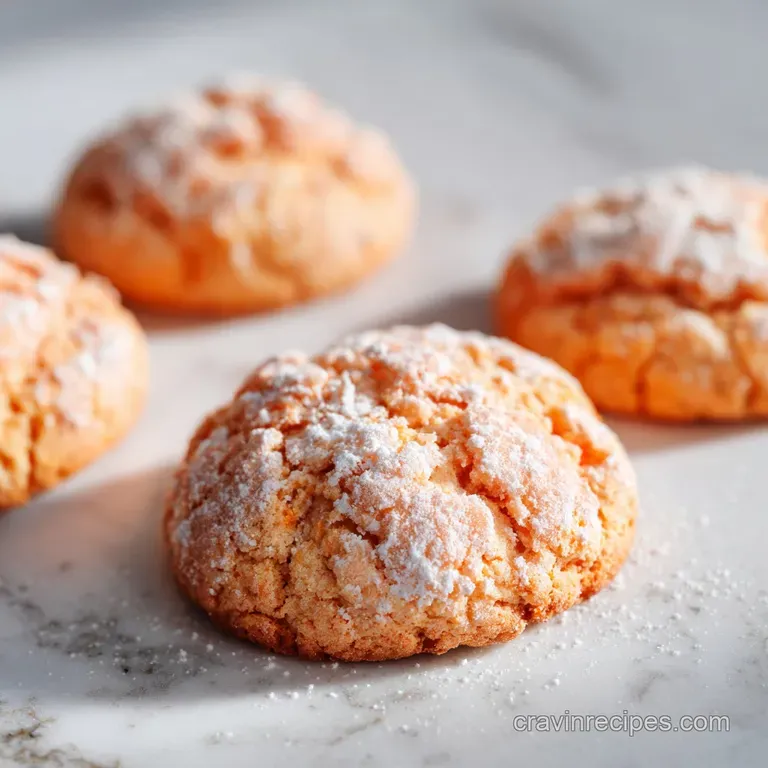
- Time: Active 70 minutes, Passive 15 minutes, Total 85 minutes
- Flavor/Texture Hook: Velvety crumb with a sugary, crystalline crunch
- Perfect for: Elegant tea parties or holiday dessert spreads
- How to Nail Your Peachy Cookies
- Why This Works
- Essential Recipe Specs
- Ingredient Deep Dive
- Selecting Your Sweet Elements
- Tools for Perfect Shapes
- Step-by-Step Shaping and Baking
- Troubleshooting and Common Mistakes
- Creative Flavor Variations
- Storage and Freshness Guide
- Best Serving Ideas
- Kitchen Myths
- Recipe FAQs
- 📝 Recipe Card
How to Nail Your Peachy Cookies
The first time I tried making these, I ended up with what looked like lumpy, orange tinted stones rather than delicate fruit. The shells were so hard they practically rattled on the plate, and when I tried to hollow them out, the whole cookie shattered into a million dry crumbs. It was a mess, honestly.
I realized I was overbaking the sponges and waiting far too long to scoop out the centers. If you let them cool completely, that structure sets like concrete, and you've missed your window.
We are going for a texture that is sturdy enough to hold the jam but soft enough to give way when you take a bite. The real magic happens when the baked dough meets the peach liqueur; it’s a controlled soak that softens the outer layer without making the whole thing collapse.
When you finally roll them in that extra fine sugar, they take on a fuzzy, realistic "skin" that makes people do a double take. Trust me, once you get the rhythm of the dip and roll, you'll feel like a pastry chef in a high end Italian bakery.
Why This Works
The architecture of these treats relies on a few specific mechanical interactions that happen between the oven and the assembly station.
- Residual Heat Softening: Hollowing the cookies while they are warm uses the trapped steam to keep the crumb pliable, preventing the "shatter" effect.
- Capillary Action: The porous surface of the baked sponge acts like a wick, pulling just enough tinted liqueur into the outer 2 millimeters to create color without saturating the core.
- Sugar Adhesion: The alcohol in the liqueur evaporates quickly, leaving behind a sticky sugar residue that acts as a glue for the final granulated coating.
- Fat to Flour Ratio: Using 125g of melted butter ensures the dough is short and tender, which is vital for that melting sensation when the cookies are eaten.
Essential Recipe Specs
Before you start rolling dough, let's look at how these beauties come together and what to expect during the process.
| Thickness | Internal Temp | Rest Time | Visual Cue |
|---|---|---|---|
| 1.5 inch balls | N/A (Cookie) | 5 minutes | Bottoms are pale gold |
| Hollowed shell | Warm to touch | 10 minutes | Crumbs feel moist |
| Assembled sphere | Room temp | 2 hours | Colors are set and matte |
It is very important to keep your dough balls uniform so that when you press two halves together, they form a perfect sphere. If one side is a "giant" and the other is a "dwarf," your peach will look lopsided.
Using a small cookie scoop or a scale to hit roughly 20g per ball is a secret that saves a lot of frustration later.
Ingredient Deep Dive
The ingredients for these peachy cookies are simple, but their roles are quite specific to achieve that iconic look and feel.
| Ingredient | Science Role | Pro Secret |
|---|---|---|
| 500g All purpose flour | Provides the structural framework | Sift twice for a lighter, more aerated crumb |
| 125g Melted butter | Softens the gluten bonds | Cool it to room temp so it doesn't cook the eggs |
| 1 tsp Almond extract | Provides the "stone fruit" aroma | Use pure extract, not imitation, for a deeper floral note |
| 15g Baking powder | Creates even, small air pockets | Check the expiry; you need maximum lift for a light shell |
You might notice that the sugar content in the dough is relatively modest at 150g. This is intentional because we are adding a lot of sweetness later with the peach jam and the final sugar coating. If the dough were sweeter, the final result would be cloying rather than indulgent.
Selecting Your Sweet Elements
To make these successfully, you’ll need a mix of pantry staples and a few specialty items for the decoration.
- 500g all purpose flour: Why this? Provides enough protein for structure without being "bread like" or tough.
- 3 large eggs: Why this? Use room temperature eggs for better emulsification with the melted butter.
- 150g granulated sugar: For the base dough sweetness.
- 125g unsalted butter: Melted and then cooled for a velvety fat distribution.
- 100ml whole milk: Adds moisture and a hint of richness.
- 15g baking powder: To ensure the cookies puff into rounded domes.
- 1 tsp almond extract: Essential for that authentic, nutty peach pit flavor.
- 1 unit lemon: Only the zest, to brighten the heavy jam filling.
- 250g peach jam: The glue and flavor heart of the cookie.
- 2 tbsp spiced rum: Why this? The alcohol cuts through the sugar and adds a sophisticated spice note.
- 50g finely chopped walnuts: For a necessary textural contrast inside the soft center.
- 100ml peach liqueur: For the color dip; you can use milk if you prefer no alcohol.
- Food coloring: 2 drops each of red and yellow for the sunset gradient.
- 200g extra fine granulated sugar: This provides the "fuzz" texture on the outside.
- 24 fresh mint leaves: For the finishing touch that brings the fruit to life.
If you find yourself out of peach jam, you can easily use apricot jam as a substitute. The flavor profile is very similar, and it has the same pectin levels needed to hold the walnuts and crumbs together. If you're looking for a different kind of sweet project, you might enjoy my brown butter chocolate chip cookies which use similar fat incorporation techniques.
Tools for Perfect Shapes
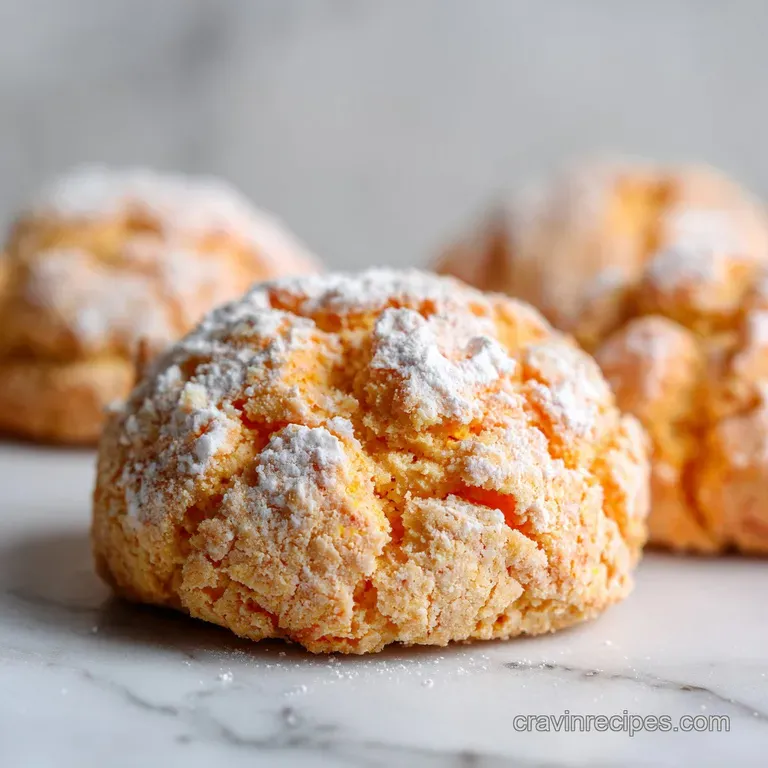
You don't need a professional lab, but a few specific tools make this "construction project" much easier.
- Small Melon Baller: This is the best tool for hollowing out the centers. A teaspoon works in a pinch, but the rounded edge of the baller prevents you from accidentally piercing the side of the shell.
- Digital Scale: Essential for weighing the dough balls so your peaches are twins.
- Parchment Paper: Don't skip this; these cookies are delicate and will stick to a naked pan.
- Fine Zester: Such as a Microplane, to get that lemon zest ultra fine so it distributes evenly.
- Shallow Bowls: You need two for the dipping process wide enough to fit the cookie but shallow enough so you don't submerge them completely by accident.
step-by-step Shaping and Baking
Follow these steps closely, especially the hollowing part, as timing is everything here.
For the Cookie Sponges
- In a large bowl, cream the eggs and 150g sugar until the mixture is pale and voluminous. This should take approximately 3 minutes.
- Slowly stream in the melted butter and 100ml milk while whisking, then fold in the lemon zest and almond extract.
- Sift together the flour and baking powder, then gradually incorporate into the wet ingredients. Note: Stop as soon as a soft dough forms to avoid overworking the gluten.
- Scoop rounded tablespoons of dough, roll into smooth balls, and place on parchment lined baking sheets.
- Bake at 350°F (180°C) for 15 minutes until the bottoms are lightly golden but the tops remain pale.
For the Peachy Filling
- While the cookies are still warm, use a small melon baller to carefully hollow out a 'well' in the flat bottom of each cookie. Reserve the crumbs in a separate bowl.
- In a bowl, combine the 250g peach jam, reserved cookie crumbs, chopped walnuts, and 2 tbsp spiced rum. Mix until a thick, moldable paste forms.
- Fill the hollowed centers with a teaspoon of the jam mixture and press two cookies together to form a sphere. Note: Use a little extra jam around the rim to act as glue.
For the Decoration
- Prepare two bowls with peach liqueur, tinting one with 2 drops of yellow and one with 2 drops of red. Quickly dip one side of the cookie in yellow and the other in red.
- Immediately roll the damp cookies in the extra fine granulated sugar until they are completely encrusted and sparkling. Garnish each with a mint leaf 'stem' inserted into the seam.
Troubleshooting and Common Mistakes
Even the best bakers run into trouble with these because they involve "assembly" after baking.
Why Your Cookies Shatter
If your cookies are cracking while you try to hollow them, they are either overbaked or have cooled down too much. The moisture in the center of a warm cookie is what keeps the wall from snapping.
If you can't work fast enough, keep the remaining cookies under a clean kitchen towel to trap the heat while you work on one at a time.
The Colors Blurring
If your peach looks more like a muddy brown ball than a sunset, you are likely leaving the cookie in the liqueur for too long. It should be a "dip and flip" motion less than a second per side. If the liquid soaks in too deep, the red and yellow bleed together into a dull orange.
Preventing Soggy Bottoms
Sometimes the cookies get soft and mushy after a few hours. This happens if you use too much liqueur or if the jam is too watery. Ensure your jam is a thick preserve. If it's runny, simmer it on the stove for 5 minutes to reduce it before mixing with the crumbs.
| Problem | Root Cause | Solution |
|---|---|---|
| Shells won't stick | Not enough jam "glue" | Apply a thin ring of jam around the rim before pressing together |
| Sugar is clumping | Cookies are too wet | Shake off excess liqueur before rolling in sugar |
| Cookies are flat | Baking powder is old | Use fresh leavening agent and ensure oven is preheated |
- ✓ Work in batches of 4 when hollowing to ensure the cookies stay warm.
- ✓ Pat the walnuts dry if they were stored in the fridge to keep the filling thick.
- ✓ Use a toothpick to make a tiny pilot hole for the mint leaf stem.
- ✓ Sift your sugar before rolling to remove any large lumps.
- ✓ Don't overcrowd the dipping bowls; keep the colors distinct.
Creative Flavor Variations
While the classic peach is a showstopper, you can adapt this technique for other fruits or flavor profiles.
If you want a deeper, more decadent interior, you can swap the peach jam for a chocolate hazelnut spread. This takes the cookie in a completely different direction, making it taste like a fancy truffle encased in a sugar shell. For another indulgent option, consider trying the base technique from my bakery smores cookies if you love a gooey, toasted center.
The Fresh Peach Infusion
If you have fresh peaches on hand, you can finely mince the fruit and sauté it with a little sugar and lemon juice until it's a thick paste. Replace half of the jam with this fresh reduction for a punch of "real" fruit flavor that canned jam just can't match.
The Ukrainian Milk Swap
In some traditional Ukrainian versions of this recipe, the liqueur is replaced with whole milk flavored with a drop of vanilla. This is a great choice if you are serving these to children or prefer an alcohol free version.
The milk creates a slightly softer "skin" on the cookie, so be sure to roll them in sugar immediately.
| Original Ingredient | Substitute | Why It Works |
|---|---|---|
| Peach Liqueur | Whole Milk | Neutral base for coloring; softens the shell similarly. |
| Spiced Rum | Apple Juice | Provides moisture without the alcohol bite. |
| Walnuts | Toasted Almonds | Maintains crunch but complements the almond extract in the dough. |
Storage and Freshness Guide
These cookies actually improve after sitting for a few hours because the flavors have time to meld and the liqueur softens the sponge perfectly.
Fridge: Store in an airtight container for up to 5 days. The sugar coating might slightly weep if the fridge is very humid, so it’s best to keep them in a single layer rather than stacking them.
Freezer: You can freeze the baked and hollowed shells (without filling) for up to 2 months. I don't recommend freezing them once they are dipped and sugared, as the sugar will turn into a sticky syrup when it thaws.
Zero Waste Tip: Don't you dare throw away those cookie crumbs! If you have leftovers that don't fit in the filling, toast them in the oven and use them as a topping for yogurt or vanilla ice cream. They are essentially sweet, almond scented croutons.
Best Serving Ideas
Peachy cookies are the ultimate centerpiece for a dessert tray. Because they look so realistic, I love serving them in a wooden fruit bowl or a basket lined with checkered linen to lean into that "fresh from the orchard" vibe.
They pair beautifully with a crisp Prosecco or a hot cup of Earl Grey tea. The tannins in the tea cut through the sugary exterior, while the floral notes of the tea highlight the almond extract in the dough.
If you're hosting a party, try placing each peach in a small fluted cupcake liner; it makes them easier for guests to grab and keeps the sugar from getting everywhere.
Kitchen Myths
One big misconception is that you need a special "peach" mold to get this shape. You really don't! The baking powder and the rolling of the dough into a ball do all the work. As long as your dough is chilled slightly before rolling, the cookies will puff upward rather than spreading outward, giving you that perfect dome.
Another myth is that the "spiced rum" is just for the kick. In reality, the alcohol acts as a preservative for the jam filling and also thins out the jam just enough so that it absorbs into the cookie crumbs, creating a unified, truffle like center instead of a chunky mess. It's about chemistry, not just the booze!
Finally, don't worry about the red food coloring looking too bright. Once it hits the yellow liqueur and gets covered in sugar, it softens into a beautiful, natural looking blush.

Recipe FAQs
Can I freeze these cookies once they are assembled?
No, avoid freezing them after the final assembly. The moisture from the peach liqueur and jam will cause the sugar coating to dissolve into a sticky syrup during the thawing process.
How to achieve the signature peach gradient?
Dip the cookie halfway into the yellow tinted liquid, then briefly dip the other side into the red-tinted liquid. Work quickly to ensure the colors overlap slightly in the center for a natural looking transition before rolling them in extra fine granulated sugar.
Why do the cookies need to stay pale on top?
Baking them for 15 minutes at 350°F (180°C) until only the bottoms are golden ensures the texture remains soft enough to hollow out easily. If you enjoy the technique of controlling internal textures through precise timing, you can apply similar observation skills when baking our soft and chewy cookies.
Is it necessary to use room temperature eggs?
Yes, using room temperature eggs is crucial for a stable emulsion when creaming them with sugar. This helps create the voluminous base required for the light, sponge like consistency of the cookie dough.
How to effectively hollow out the cookies without them crumbling?
Wait until the cookies are still slightly warm before using your melon baller or teaspoon to carve the well. Being gentle during this step keeps the structural integrity of the shell intact so they can hold the filling without breaking.
Can I store these in the refrigerator?
Yes, store them in an airtight container for up to 5 days. Keep them in a single layer to prevent the sugar coating from weeping due to humidity or pressure from stacking.
Should I substitute the almond extract if I don't have it?
No, the almond extract provides a specific aromatic profile that complements the peach and lemon notes. Removing it will significantly change the flavor balance of the final dessert.
Italian Peach Shaped Cookies
Ingredients:
Instructions:
Nutrition Facts:
| Calories | 220 calories |
|---|---|
| Protein | 3.4 g |
| Fat | 6.6 g |
| Carbs | 33.6 g |
| Fiber | 0.8 g |
| Sugar | 17.1 g |
| Sodium | 65 mg |
