Cabbage Roll Soup: Savory and Hearty
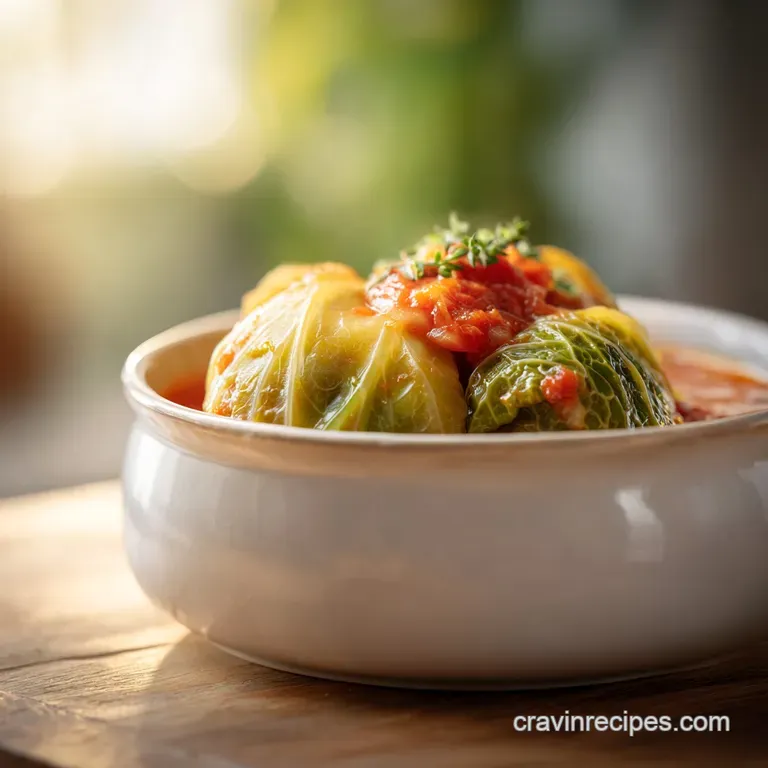
- Time: Active 15 minutes, Passive 25 minutes, Total 40 minutes
- Flavor/Texture Hook: Savory, tangy broth with tender crisp cabbage and melt in-your mouth beef.
- Perfect for: Busy weeknights, budget conscious family dinners, and large batch meal prep.
- Mastering Hearty Homemade Cabbage Roll Soup
- Understanding the Secret to Balanced Broth
- Selecting Quality Elements for Maximum Flavor
- Essential Tools for a One Pot Meal
- Step-by-Step Guide to a Silky Soup
- Preventing Common One Pot Cooking Mistakes
- Creative Ways to Customize Your Pot
- Adjusting the Recipe for Large or Small Batches
- Debunking Traditional Cooking Assumptions
- Keeping Your Leftovers Fresh and Tasty
- Best Ways to Present Your Creation
- Recipe FAQs
- 📝 Recipe Card
Mastering Hearty Homemade Cabbage Roll Soup
The smell of simmering cabbage, sweet onions, and savory beef is a sensory trip straight to my grandmother’s kitchen. I remember the heavy steam hitting the windows on cold Tuesday nights while she painstakingly rolled individual leaves of boiled cabbage around a meat filling.
It was a labor of love that took half a day, but the aroma alone made the house feel safe. This soup is my way of capturing that specific heritage without spending four hours standing at a counter. It is a rustic, humble dish that relies on simple pantry staples to create something that feels like a warm hug.
We are talking about a dish that bridges the gap between a light soup and a heavy casserole. The magic happens when the fire roasted tomatoes meet the apple cider vinegar, creating a bright, slightly acidic backbone that cuts through the richness of the ground beef.
If you grew up in a household where "Gołąbki" or "Holubtsi" were staples, this version will hit every nostalgic note. It’s a fuss free way to feed a crowd on a budget, and honestly, the leftovers might even be better than the first bowl because the cabbage continues to soak up that beautiful red broth.
I have made plenty of mistakes with this one over the years, like using too much rice and turning the whole thing into a thick porridge, or cutting the cabbage too small so it vanished into mush. But through those kitchen mishaps, I found the sweet spot.
We use exactly 2 lbs of green cabbage chopped into sturdy 1 inch squares and just 1/2 cup of rice. This ratio ensures you get a spoonful of texture in every bite, while the rice adds just enough starch to give the liquid a silky mouthfeel without drowning the other ingredients.
Understanding the Secret to Balanced Broth
The success of this recipe lies in how we manage the release of starches and the balance of acidity. Most people throw everything in a pot and hope for the best, but a few small choices in the first ten minutes change the entire outcome.
- Maillard Browning: Cooking the beef for 3 minutes without moving it creates a dark crust (fond) on the bottom of the pot. This isn't just color; it’s the foundation of the soup's savory depth that cannot be replicated with salt alone.
- Starch Management: Using uncooked long grain white rice allows the grains to release just enough starch during the 25 minutes of simmering to thicken the broth naturally. If you used pre cooked rice, the broth would remain thin and watery.
- Acid Brightening: Apple cider vinegar acts as a chemical "highlighter." It reacts with the sugars in the tomato sauce and the fats in the beef to make the flavors pop, preventing the soup from tasting flat or one dimensional.
- Cellular Breakdown: Cutting the cabbage into 1 inch squares ensures it reaches a tender crisp state at the exact moment the rice is finished. Smaller cuts would turn into a velvety puree, losing the rustic charm of the dish.
- Collagen Structure: Using beef bone broth instead of standard stock provides a richer mouthfeel. The natural gelatin in bone broth coats the tongue, making the soup feel more substantial and filling.
| Cook Method | Time | Texture | Best For |
|---|---|---|---|
| Stovetop (Standard) | 40 minutes | Tender crisp cabbage, firm rice | Most home cooks; best flavor development. |
| Slow Cooker | 6 hours (Low) | Very soft cabbage, silky broth | Hands off prep for busy workdays. |
| Instant Pot | 25 minutes | Uniformly soft, integrated flavors | Absolute speed when you're in a rush. |
Choosing the right method depends on how much time you have and what texture you prefer. While the slow cooker is great for a set it and forget it meal, the stovetop method listed here provides the best control over the sear and the final texture of the rice. If you are looking for another high protein meal that uses similar pantry logic, you might like this Broccoli Casserole recipe which also balances grains and protein effectively.
Selecting Quality Elements for Maximum Flavor
When you are working with a budget friendly recipe like this, the quality of your base ingredients matters. We aren't using truffles or expensive cuts of steak, so we need to make the humble cabbage and ground beef shine.
| Ingredient | Science Role | Pro Secret |
|---|---|---|
| 90/10 Ground Beef | Flavor & Fat | Don't use 80/20 or the soup will have an oily slick on top. |
| Green Cabbage | Structural Fiber | Use the heavy, tight heads; they hold their shape better during simmering. |
| Fire Roasted Tomatoes | Acidity & Smoke | The charred skins add a subtle depth that regular canned tomatoes lack. |
| Apple Cider Vinegar | Flavor Catalyst | It balances the natural sweetness of the carrots and onions perfectly. |
Using a 90/10 beef blend is critical here. You want just enough fat to carry the flavor of the smoked paprika and thyme, but not so much that you have to skim the pot for ten minutes before serving. The green cabbage should be fresh and heavy for its size.
If the outer leaves are wilted, peel them back until you find the crisp, pale green layers beneath.
For the rice, long grain white rice is the standard because it stays individual and fluffy. Short grain rice or arborio would release too much starch, turning your soup into something closer to a risotto. We want a clear distinction between the broth and the grains. When you're in the mood for a different type of comfort, you should check out this Loaded Baked Potato Soup which uses similar techniques to achieve a rich texture.
Essential Tools for a One Pot Meal
To make this soup successfully, you need a vessel that can handle over high heat searing and over low heat simmering without scorching. A heavy bottomed Dutch oven (like a 6 quart Lodge) is the gold standard here.
The thick walls distribute heat evenly, which is vital when you have rice sitting at the bottom of the pot. If your pot is too thin, the rice will stick and burn before it ever gets tender.
You will also need a sturdy wooden spoon. This isn't just for stirring; it’s a tool for deglazing. When you add that tablespoon of apple cider vinegar, you need to use the spoon to scrape up the browned bits of beef from the bottom. That "fond" is where the most concentrated flavor lives.
A good chef's knife is also non negotiable for prepping 2 lbs of cabbage. You want clean, even 1 inch squares so everything cooks at the same rate.
Chef Tip: If you find yourself making soups often, invest in a 6 quart enameled cast iron pot. It retains heat so well that you can turn the stove off five minutes early and let the residual heat finish the rice perfectly.
step-by-step Guide to a Silky Soup
Sear the beef. Set a large Dutch oven or stockpot over medium high heat. Add the 1 lb lean ground beef and cook without stirring for 3 minutes until a dark, savory crust forms on the bottom. Note: This creates the deep umami base for the whole soup.
Sauté aromatics. Break the meat apart with your spoon. Add the finely diced yellow onion and green bell pepper. Sauté 5 minutes until the onions are translucent and soft.
Bloom spices. Stir in the 4 minced garlic cloves, 1 tsp smoked paprika, 1 tsp dried thyme, and 1 tsp dried oregano. Toast for 60 seconds until the aroma fills your kitchen.
Deglaze the pot. Pour in 1 tbsp apple cider vinegar. Use your wooden spoon to scrape the bottom until all the browned bits are dissolved into the liquid.
Combine base. Add the 4 cups beef bone broth, 14.5 oz can fire roasted diced tomatoes, and 15 oz can tomato sauce. Stir well to integrate the tomato paste and broth.
Add texture. Stir in the 2 lbs chopped cabbage, 1/2 cup uncooked long grain rice, 2 sliced carrots, and 2 bay leaves.
Boil and reduce. Bring the mixture to a rolling boil. Immediately reduce the heat to low so the liquid is barely bubbling.
Simmer covered. Cover the pot tightly. Simmer for 20-25 minutes until the rice is tender and cabbage is soft but holds its shape.
Final check. Remove the bay leaves. Taste the broth if it needs more tang, add a tiny splash more vinegar.
Rest and serve. Let the soup sit for 5 minutes off the heat. This allows the rice to finish absorbing the flavors until the broth is velvety and rich.
Preventing Common One Pot Cooking Mistakes
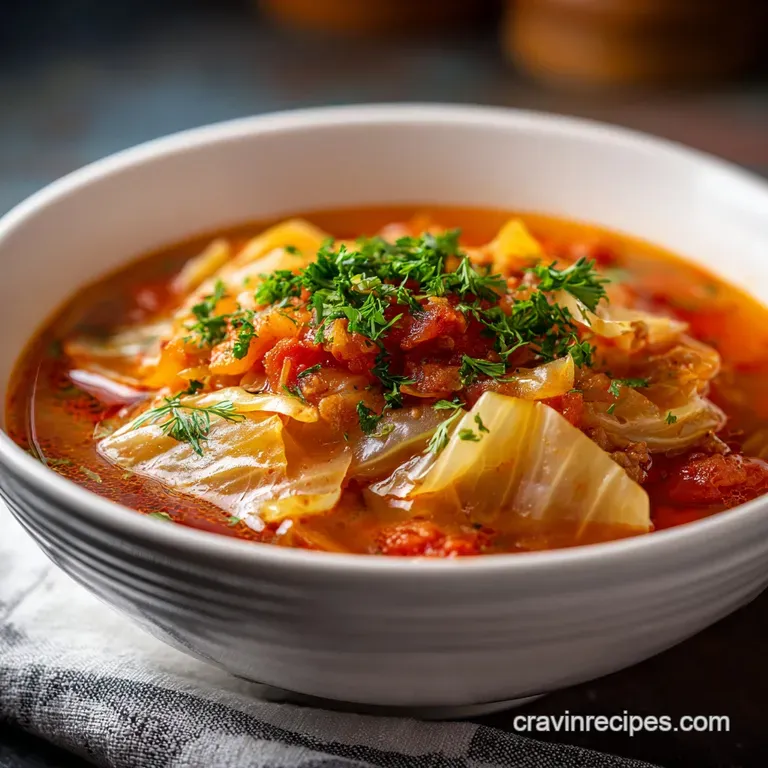
One of the most frustrating things that can happen with this recipe is the rice turning into a mushy "sponge." This happens if the heat is too high or if you let it simmer for too long. If you see the liquid disappearing rapidly, your "low" heat might actually be a medium.
The pot should have a gentle, lazy bubble, not a frantic boil.
Why Your Rice Is Mushy
If the rice loses its shape and becomes a thick paste, it usually means it was overcooked or the ratio of liquid to grain was off. In this recipe, we use 4 cups of broth plus the liquid from the tomatoes for only 1/2 cup of rice. This high liquid ratio is intentional to keep it a soup.
If you want to avoid this entirely, you can cook the rice separately and add it to each bowl, though you'll miss out on the starch thickened broth texture.
Why Your Cabbage Is Tough
If you find the cabbage is still crunchy after 25 minutes, it’s likely because the pieces were cut much larger than 1 inch squares, or the cabbage was an older, tougher head. Make sure the pot is tightly covered during the simmer.
The steam trapped inside is what actually softens the fibrous cabbage leaves.
| Problem | Root Cause | Solution |
|---|---|---|
| Greasy Broth | Beef fat wasn't drained or too high fat % used. | Use 90/10 beef or skim fat with a wide spoon before serving. |
| Bland Flavor | Spices weren't toasted or not enough salt. | Sauté spices for 60 seconds; add salt in small increments at the end. |
| Scortched Bottom | Heat was too high; rice stuck to the pot. | Use a heavy bottomed pot and keep the simmer on the lowest setting. |
Common Mistakes Checklist:
- ✓ Pat the beef dry if it looks moist before searing to ensure it browns instead of steams.
- ✓ Don't skip the apple cider vinegar; the acidity is what makes the dish taste "authentic."
- ✓ Use fire roasted tomatoes if possible; the subtle char makes a massive difference in depth.
- ✓ Stir the pot once halfway through the simmer to ensure no rice is sticking to the corners.
- ✓ Always remove the bay leaves; they are for flavor, not for eating!
Creative Ways to Customize Your Pot
While the ground beef and rice version is the classic, you can easily adapt this to fit different dietary needs or pantry situations. If you want a lower calorie version, ground turkey or chicken works perfectly, though you might want to add an extra teaspoon of olive oil to compensate for the lower fat content.
1. Keto Cabbage Roll Soup (Low Carb)
To make this keto friendly, simply omit the white rice and the carrots. Instead, add a bag of riced cauliflower during the last 5 minutes of cooking. The cauliflower doesn't need much time to soften, and it mimics the texture of the rice without the carb load.
You might also want to increase the beef to 1.5 lbs to make it more protein forward.
2. Slow Cooker Cabbage Roll Soup
For a set it and forget it version, brown the beef and onions in a skillet first. Transfer everything except the rice to a 6 quart slow cooker. Cook on low for 6-7 hours. Add the rice during the last 45 minutes of cooking so it doesn't disintegrate.
This method results in an incredibly tender cabbage that almost melts into the broth.
Adjusting the Recipe for Large or Small Batches
If you are cooking for a large family gathering or doing a massive meal prep session, doubling this recipe is straightforward. However, don't just double everything blindly. For the spices and salt, start with 1.5 times the amount and taste as you go.
Liquids can also be tricky; you might only need 7 cups of broth instead of 8 because less evaporation happens in a larger pot.
When scaling down for one or two people, you can easily halve the ingredients. Use a smaller 3 quart pot to ensure there is enough liquid depth for the rice to submerge and cook properly.
If you are using a very small amount of rice, check it at the 18 minute mark, as it may cook slightly faster in a smaller volume of liquid.
| Servings | Ground Beef | Cabbage | Broth | Pot Size |
|---|---|---|---|---|
| 2-3 People | 0.5 lb | 1 lb | 2 cups | 3 Quart |
| 6 People | 1 lb | 2 lbs | 4 cups | 6 Quart |
| 12 People | 2 lbs | 4 lbs | 7 cups | 10 Quart |
Debunking Traditional Cooking Assumptions
Many people believe that you must use "sour cabbage" (sauerkraut) to get an authentic taste. While some regional variations do use fermented cabbage, the traditional cabbage roll flavor actually comes from a balance of sweet (carrots/onions) and sour (vinegar/tomatoes).
Using fresh cabbage provides a much better texture in a soup format.
Another myth is that you need to cook the rice before adding it to the soup. This is actually counterproductive. Cooking the rice in the broth allows the grains to absorb the beef and tomato flavors directly into their core. If you use pre cooked rice, the grains remain "blank" and the soup feels disconnected.
Finally, don't believe that "leaner is always better." If you use 95/5 beef, the soup will feel thin and lack that satisfying mouthfeel. That 10% fat in the 90/10 blend is what emulsifies with the tomato sauce to create a velvety broth that clings to the cabbage.
Keeping Your Leftovers Fresh and Tasty
This soup is a champion of the refrigerator. In fact, most people find it tastes better on day two. As it sits, the rice continues to absorb a tiny bit more liquid and the spices fully permeate the cabbage.
- Storage: Keep the soup in an airtight container in the fridge for up to 4 days. Note that the rice will continue to swell, so the soup will thicken over time.
- Freezing: This soup freezes remarkably well for up to 3 months. However, the rice can become slightly softer upon thawing. To freeze, let it cool completely, then portion it into freezer bags.
- Reheating: Heat it gently on the stovetop over medium low. If it has thickened too much in the fridge, add a splash of water or beef broth to loosen it back up to your preferred consistency.
- Zero Waste: Don't throw away the cabbage core or the stems! While they are too tough for the soup, you can thinly slice them and toss them with a little vinegar and sugar for a quick "refrigerator slaw." The onion skins and carrot ends can be tossed into a freezer bag to make your own vegetable stock later.
Best Ways to Present Your Creation
To serve this soup, ladle it into deep bowls, ensuring everyone gets a good mix of beef, rice, and cabbage squares. A dollop of cold sour cream right in the center is the traditional way to serve it. The cool creaminess of the dairy against the hot, tangy broth is a match made in heaven.
If you want to add a bit of crunch, serve it with a thick slice of toasted rye bread or a crusty sourdough. The bread is perfect for mopping up every last drop of the tomato beef broth. For a final touch of freshness, sprinkle some chopped fresh parsley or dill over the top.
The green herbs brighten up the deep red color of the soup and add a fresh aroma that balances the slow simmered flavors. Enjoy this hearty, no fuss meal with your family it’s the kind of dish that turns a cold evening into a cozy memory.

Recipe FAQs
What are common mistakes when making cabbage soup?
Overcooking the cabbage is the most common error. You want the cabbage to maintain a tender crisp texture, which is achieved by simmering for 20-25 minutes rather than letting it boil into a mushy consistency.
How do you make the cabbage soup popularized by Dolly Parton?
Begin by searing 1 lb of lean ground beef in a Dutch oven over medium high heat for 25 minutes to build flavor. Sauté the diced onion and green bell pepper until translucent, bloom the garlic and spices, then simmer all remaining ingredients with beef bone broth and tomatoes for 20-25 minutes
until the rice is tender.
Can I make soup out of cabbage rolls?
Yes, this soup is essentially a deconstructed version of a cabbage roll. It utilizes the same flavor profile ground beef, rice, tomato, and cabbage without the labor of rolling individual leaves.
What's the best soup for diabetics?
This cabbage roll soup is an excellent option because it relies on lean ground beef and fiber rich cabbage. The combination of protein, vegetables, and complex liquids provides a hearty meal that is balanced and filling.
Is it true I must boil the rice separately before adding it to the soup?
No, this is a common misconception. You can add the 1/2 cup of uncooked long grain white rice directly to the pot, as it will perfectly absorb the seasoned broth during the 20-25 minute simmer time.
How to ensure the soup has deep, savory flavor?
Cook the ground beef without stirring for the first 3 minutes to develop a dark, savory crust on the bottom of the pot. Following this, use the apple cider vinegar to deglaze the pan and scrape up all those browned bits, which are packed with concentrated flavor.
How to tell when the soup is finished?
Check that the rice is tender and the cabbage has reached a tender crisp consistency. This typically happens within 20-25 minutes of simmering on low heat once the mixture has come to a boil.
One Pot Cabbage Roll Soup
Ingredients:
Instructions:
Nutrition Facts:
| Calories | 319 kcal |
|---|---|
| Protein | 24.2 g |
| Fat | 8.5 g |
| Carbs | 32.4 g |
| Fiber | 5.1 g |
| Sugar | 9.2 g |
| Sodium | 685 mg |
