Overnight French Toast: Custardy Bake

- Time: Active 15 minutes, Passive 8 hours, Total 8 hours 45 minutes
- Flavor/Texture Hook: A velvety, custardy interior contrasted by a shattering brown sugar and pecan crust.
- Perfect for: Stress free holiday mornings, feeding a hungry crowd, or a lazy weekend brunch.
- Fluffy Morning Bliss: Your Guide to Overnight French Toast
- The Evolution of My Favorite Weekend Brunch Tradition
- The Architecture of a Non Soggy Custard Soak
- Essential Metrics for a Hearty Morning Feast
- Selecting the Best Elements for Flavor Layers
- The Essential Tools for This Hearty Meal
- Bringing the Layers Together for Brunch Success
- Solving Common Issues for Fluffy Results
- Adapting Your Meal for Different Morning Cravings
- Preservation Secrets to Keep Your Brunch Fresh
- How to Finish and Enjoy Your Morning
- Recipe FAQs
- 📝 Recipe Card
Fluffy Morning Bliss: Your Guide to Overnight French Toast
The smell of cinnamon and nutmeg hitting a hot oven is basically my version of a morning alarm clock. I remember the first time I tried making this, I used fresh, soft sandwich bread and didn't let it soak long enough. It was a literal puddle of sweet milk on the plate.
I was so disappointed, but that failure taught me everything about why we actually wait for the magic to happen.
We are going for something that feels hearty and special, not just another piece of toast. This version is all about building layers of flavor. We start with rich brioche, move into a velvety custard, and finish with a topping that provides a satisfying shatter when you bite into it.
It's the kind of meal that makes everyone wander into the kitchen before the coffee is even finished brewing.
You'll love how this takes the frantic energy out of hosting. Instead of standing over a hot griddle flipping individual slices while your friends eat, you just slide this into the oven and enjoy your morning. It's a total win for anyone who values their sleep but still wants a high-quality brunch.
Trust me, once you see those golden edges bubbling, you'll never go back to the stovetop version.
The Evolution of My Favorite Weekend Brunch Tradition
There's a massive difference between a rushed meal and one that has had time to develop. When you make this Brioche French Toast recipe, you're relying on the bread to truly absorb the liquid. In the fast version, the custard just sits on the surface, often leaving the middle dry and bread y. By letting it sit overnight, every single cube of brioche becomes a vessel for that vanilla scented cream.
The contrast is what makes this so addictive. You have the soft, almost bread pudding like center and then this aggressive, sugary crunch on top. It's a texture play that you just can't get with standard methods.
Plus, using day old bread isn't just a suggestion, it's the secret to keeping the structure from turning into mush.
I've made this for countless family gatherings, and it's the one thing people always ask for. It feels fancy, but the reality is that it's mostly just smart prep work. We're going to dive into the specifics of why this works so well, from the egg to milk ratio to the physics of the topping.
The Architecture of a Non Soggy Custard Soak
Hydration Equilibrium: Stale bread acts as a dry sponge, pulling the custard into its cellular structure without the starch molecules breaking down and turning into a paste. The high protein content in the eggs then coagulates during the bake, creating a stable, fluffy crumb that holds its shape.
- Capillary Action: Cubing the bread increases the surface area, allowing the custard to penetrate deep into the center of every piece.
- Fat Emulsification: Combining heavy cream with whole milk creates a richer fat profile that prevents the eggs from curdling at high heat.
- Starch Retrogradation: Using day old brioche ensures the starches have crystallized slightly, which provides the necessary resistance against the liquid.
- Maillard Reaction: The light brown sugar in the topping undergoes complex browning, providing a deep, caramelized flavor profile.
| Method | Total Time | Texture | Best For |
|---|---|---|---|
| Classic Overnight | 9 hours | Silky, custard like center | Maximum flavor and ease |
| Fast Bake (2 hour soak) | 2 hours 15 mins | Firmer, bread forward | Last minute brunch needs |
| Stovetop Individual | 20 minutes | Crispy edges, dry middle | Single servings only |
The choice of method really depends on your morning schedule, but the classic overnight version always wins on texture. If you're looking for other ways to use up autumn flavors, you might even consider trying an Incredibly Moist Pumpkin Bread recipe as a side or a base for a different variation.
Essential Metrics for a Hearty Morning Feast
When we talk about the science of this dish, it's really about the interaction between the fats, sugars, and the structural integrity of the bread. It's not just a random mix of ingredients. Each component has a specific job to do to ensure that the final result is fluffy and not a soggy mess.
The Custard Component Analysis
| Ingredient | Science Role | Pro Secret |
|---|---|---|
| Large Eggs | Structural Binder | Use room temp eggs for better emulsification with the milk |
| Heavy Cream | Fat Enrichment | Don't swap for skim; the fat prevents a "rubbery" texture |
| Brioche Bread | Sturdy Foundation | Cube it 24 hours early to let it air dry on the counter |
| Light Brown Sugar | Caramelization | Pack it tight to ensure the molasses notes are concentrated |
The balance of 8 large eggs to 2.5 cups of total liquid (milk and cream) is the sweet spot. Any more liquid and the bread will lose its "lift," and any more eggs might make it taste a bit too much like an omelet. We want that perfect middle ground where it feels like a rich custard.
Selecting the Best Elements for Flavor Layers
Right then, let's get our shopping list in order. Quality matters here because there are so few ingredients. If you use a cheap, thin bread, you'll get a thin result. We want the good stuff.
- 1 lb Brioche bread: Day old is best, cut into 1 inch cubes. Why this? Brioche has a high butter content which stays soft while the edges crisp.
- Substitute: Challah or a thick Texas Toast will also work beautifully.
- 2 tbsp Unsalted butter: Softened for the pan. Why this? Provides a non stick surface and a salty sweet browned bottom crust.
- Substitute: Cooking spray, though you'll miss out on the buttery flavor.
- 8 Large eggs: The base of our custard. Why this? Provides the protein needed to set the liquid into a solid structure.
- Substitute: 6 jumbo eggs if that's all you have on hand.
- 2 cups Whole milk: For the bulk of the liquid. Why this? Lower fat than cream but enough to keep it rich.
- Substitute: Oat milk (full fat) for a slightly nuttier profile.
- 1/2 cup Heavy cream: For extra indulgence. Why this? The fat creates a velvety mouthfeel that milk alone can't achieve.
- Substitute: Half and half (use 2.5 cups total liquid if skipping milk).
- 3/4 cup Granulated sugar: For the custard. Why this? Sweetens the base without adding the moisture of brown sugar.
- Substitute: Maple sugar for a deeper, woody sweetness.
- 2 tbsp Pure vanilla extract: Don't be shy with this. Why this? Acts as the primary aromatic to balance the egginess.
- Substitute: Vanilla bean paste for those beautiful little black specks.
- 1 tsp Ground cinnamon: For warmth. Why this? The classic spice that defines the brunch experience.
- Substitute: Pumpkin pie spice for a more complex profile.
- 1/4 tsp Ground nutmeg: For a nutty undertone. Why this? A tiny amount goes a long way in adding professional depth.
- Substitute: Freshly grated mace.
- 1/4 tsp Fine sea salt: Crucial for balance. Why this? Sharpens the sweetness and makes the flavors pop.
- Substitute: Kosher salt (double the amount if using coarse grains).
- 1/2 cup Unsalted butter (Cold): For the topping. Why this? Cold butter creates steam as it melts, making the topping flaky.
- Substitute: Salted butter (just omit the extra salt in the topping).
- 1/2 cup Light brown sugar: Packed for the topping. Why this? The molasses helps create that sticky, crunchy texture.
- Substitute: Dark brown sugar for a more intense toffee flavor.
- 1/2 cup All purpose flour: The binder for the topping. Why this? Keeps the topping from just melting into the bread.
- Substitute: Almond flour for a heartier, grainier crunch.
- 1/2 cup Pecans: Chopped. Why this? Adds a necessary earthy crunch to contrast the soft bread.
- Substitute: Walnuts or slivered almonds.
The Essential Tools for This Hearty Meal
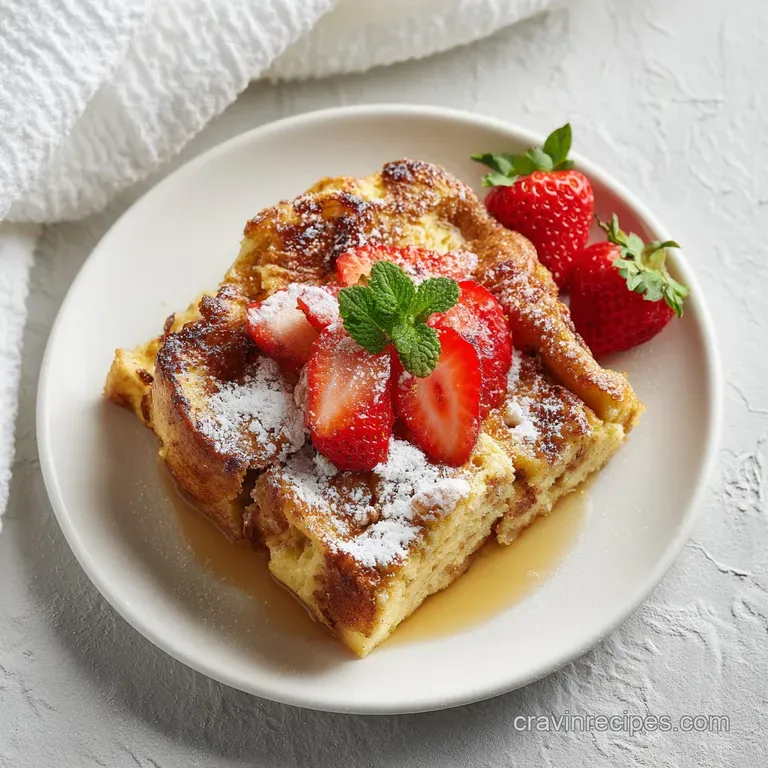
You don't need a professional kitchen, but having the right size pan is non negotiable. If the pan is too big, the custard will spread too thin and evaporate. If it's too small, the middle will never cook through.
- 9x13-inch Baking Dish: A ceramic or glass dish works best for even heat distribution.
- Large Mixing Bowl: You'll need plenty of room to whisk those 8 eggs without making a mess.
- Whisk: To thoroughly combine the eggs and dairy. We don't want any streaks of egg white!
- Pastry Cutter or Fork: To work that cold butter into the flour for the topping.
- Measuring Cups and Spoons: Accuracy is key for the custard ratio.
- Spatula: For tossing the bread cubes in the dish to ensure they are all coated.
Chef's Tip: Freeze your butter for 10 minutes before grating it into the flour for the topping. This ensures the butter stays in distinct "pebbles," which creates a much more dramatic shatter crisp texture once baked.
Bringing the Layers Together for Brunch Success
- Prep the Dish: Grease your 9x13 baking dish generously with the 2 tbsp of softened butter. Make sure you get the corners!
- Arrange the Foundation: Place the 1 lb of brioche cubes into the dish. Try to distribute them evenly so there are no massive gaps.
- Whisk the Base: In your large bowl, beat the 8 large eggs until smooth. Add the 2 cups milk, 1/2 cup cream, 3/4 cup granulated sugar, 2 tbsp vanilla, 1 tsp cinnamon, 1/4 tsp nutmeg, and 1/4 tsp salt. Whisk until the sugar is mostly dissolved.
- The Initial Soak: Pour the custard mixture evenly over the bread cubes. Use a spatula to gently press down on the bread, ensuring every piece is submerged or coated.
- The Overnight Rest: Cover the dish tightly with plastic wrap or foil. Refrigerate for at least 6 hours, but ideally overnight. Note: This is where the bread builds its internal structure.
- Prepare the Topping: In a separate small bowl, combine the 1/2 cup flour, 1/2 cup brown sugar, 1/2 cup chopped pecans, and 1/2 tsp cinnamon.
- Cut the Butter: Take your 1/2 cup of cold, cubed butter and work it into the flour mixture with a pastry cutter until it looks like coarse crumbs.
- Preheat and Top: When ready to bake, preheat your oven to 350°F (180°C). Remove the dish from the fridge and sprinkle the topping evenly over the soaked bread.
- Bake to Fluffy: Bake for 45 minutes until the top is golden brown and the center is set but slightly jiggly.
- The Final Rest: Let it sit for 5 to 10 minutes before serving. Note: This allows the custard to fully firm up so it doesn't collapse when sliced.
Solving Common Issues for Fluffy Results
Even with a simple recipe, things can go sideways. The most common complaint is the "soggy bottom," but usually, that just means one of the variables was slightly off.
Fixing Uneven Soaking
If you find that some pieces of bread are bone dry while others are swimming, it usually means the bread wasn't distributed well or the dish wasn't level in the fridge. Give the pan a gentle shake before you put it in the oven to redistribute any liquid that might have settled.
| Problem | Root Cause | Solution |
|---|---|---|
| Soggy/Mushy Center | Bread was too fresh or not enough bake time | Use stale bread and ensure the internal temp hits 160°F |
| Dry Bread Cubes | Custard didn't reach the top layer | Press bread down firmly before the overnight soak |
| Topping Melted In | Butter was too warm during prep | Keep topping in the fridge until the very moment of baking |
Common Mistakes Checklist
- ✓ Use day old bread (if it's fresh, toast the cubes in a 300°F oven for 10 mins).
- ✓ Don't skip the heavy cream - it's the barrier between "toast" and "custard."
- ✓ Ensure your baking dish is the correct 9x13 size to avoid height issues.
- ✓ Give the casserole at least 5 minutes to rest after baking to set the proteins.
- ✓ Check your oven temperature with a thermometer; a cool oven leads to a collapsed bake.
Adapting Your Meal for Different Morning Cravings
If you want to scale this recipe down for a smaller household, you can easily halve everything and use an 8x8-inch pan. Just reduce the baking time by about 10 minutes.
For doubling, I recommend using two separate 9x13 pans rather than one giant one, as the middle of a double sized batch will likely stay raw while the edges burn.
Creating a Savory Twist
While we all love the sweet version, you can actually turn this into a hearty savory brunch. Swap the sugar and cinnamon for 1 cup of sharp cheddar cheese, 1/2 cup of cooked bacon bits, and a handful of chives. It's a completely different experience but uses the exact same science of the overnight soak.
If you're dealing with dietary restrictions, the dairy-free route is actually quite successful here. Full fat coconut milk provides a similar fat content to heavy cream, though it will add a distinct tropical note to your morning. Almond milk is a bit thinner, so I'd suggest adding an extra egg to help with the set.
Preservation Secrets to Keep Your Brunch Fresh
If you happen to have leftovers (a rare occurrence in my house!), they store surprisingly well. Keep it in the fridge for up to 3 days. When you want to eat it again, don't use the microwave if you can avoid it it will make the topping sad and soft.
Instead, pop a slice into the air fryer or toaster oven for 5 minutes at 350°F. This revives that shattering crunch on top while keeping the middle fluffy.
For freezing, I recommend baking the whole thing first. Let it cool completely, then cut into squares and freeze them individually wrapped in foil. They'll stay good for about 2 months. You can reheat them straight from frozen in the oven at 350°F for about 15-20 minutes.
It's the ultimate "I'm too tired to cook" morning hack.
To minimize waste, don't toss the bread crusts! If you're using a loaf that needs trimming, save those scraps in a bag in the freezer. They make excellent croutons or can be pulsed into breadcrumbs for your next dinner.
Even the leftover pecan dust at the bottom of the bag can be stirred into your morning coffee grounds for a little extra aroma.
How to Finish and Enjoy Your Morning
The best way to serve this is straight from the dish while it's still warm. I like to have a bottle of high-quality maple syrup on the table, but honestly, with that pecan topping, you might not even need it. A dusting of powdered sugar adds a nice visual touch, making it look like it came from a professional bistro.
Pair this with something bright and acidic to cut through the richness. A bowl of fresh berries or a side of citrus salad works wonders. And since this is a hearty meal, a strong dark roast coffee is the perfect companion.
Remember, the goal here is a stress free morning. You've already done the hard work of whisking and cubing the night before. Now, all you have to do is enjoy the sizzle of the topping and the way the house smells like a dream. Happy brunching!

Recipe FAQs
Can you prep French toast overnight?
Yes, absolutely. Overnight preparation is the key to achieving the signature custardy interior.
Soaking the bread for 6 to 12 hours allows the starch structure to fully hydrate, preventing a dry center when baked the next morning.
Can a diabetic eat French toast?
No, not without significant modification. Traditional recipes are high in refined carbohydrates and added sugars.
For a healthier base, you would need to substitute with a high fiber, low-glycemic bread and replace refined sugars with non-caloric sweeteners.
What is the best bread to use for overnight French toast?
Brioche or Challah are the best choices.
These breads are rich in butter and eggs, providing a strong structure that absorbs liquid without completely disintegrating during the long soak.
Why is my overnight French toast soggy?
Sogginess is usually caused by using fresh bread or insufficient baking time.
Fresh bread releases too much moisture and collapses; use bread that is at least a day old. Also, ensure the center reaches an internal temperature of 160°F to properly set the egg proteins.
How do I ensure the topping stays crunchy and doesn't soak in?
Add the topping immediately before baking.
Ensure your butter component in the topping mixture is very cold, which creates steam pockets when it hits the hot oven, leading to a shatteringly crisp texture.
What is the correct egg-to-liquid ratio for the custard base?
Aim for 8 large eggs per 2.5 cups of total liquid (milk/cream).
This ratio balances richness with binding power, ensuring a custardy set rather than a rubbery texture. If you master controlling the fat/protein balance here, you'll find similar success when tempering fats in richer desserts, like our Turtle Cheesecake recipe.
How long should the bread soak before baking?
A minimum of 6 hours is required, but overnight (8-12 hours) is optimal.
This long soak allows capillary action to pull the custard deep into the bread's core. You must press the bread down gently halfway through the soak to ensure even hydration.
Overnight French Toast Casserole
Ingredients:
Instructions:
Nutrition Facts:
| Calories | 642 calories |
|---|---|
| Protein | 15.2 g |
| Fat | 37.4 g |
| Carbs | 63.8 g |
| Fiber | 2.2 g |
| Sugar | 38.5 g |
| Sodium | 475 mg |
