Sheet Pan Chicken Fajitas: Smoky Charred Edges
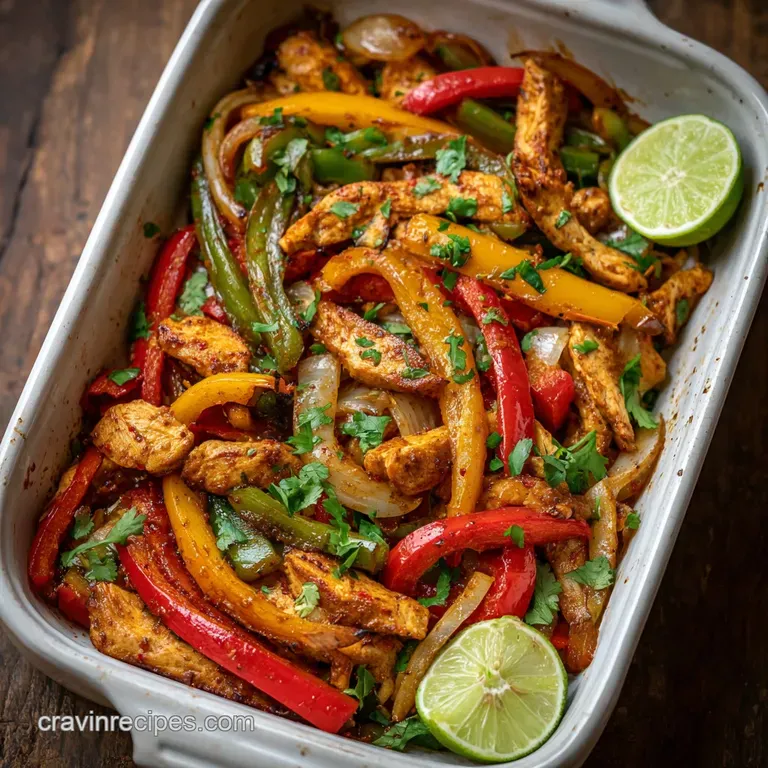
- Time: Active 10 minutes, Passive 20 minutes, Total 30 minutes
- Flavor/Texture Hook: Smoky charred edges and juicy, spice rubbed chicken
- Perfect for: No fuss family dinners and low effort meal prep
- High Heat Physics for Mastering Sizzling Fajita Textures
- Precise Time and Temperature for Juicy Poultry Results
- Sourcing the Right Elements for a Hearty Family Meal
- Minimal Tool Kit for Maximum Flavor and Easy Cleanup
- From Raw Prep to Sizzling Plate in Thirty Minutes
- Troubleshooting Common Cooking Errors for Better Sheet Pan Meals
- Flexible Ingredient Substitutions and Regional Flavor Profile Variations
- Best Practices for Keeping Leftovers Fresh and Flavorful
- Handpicked Sides and Toppings for the Ultimate Dinner Spread
- High in Sodium ⚠️
- Recipe FAQs
- 📝 Recipe Card
The first time I tried making fajitas on a sheet pan, I was skeptical. I grew up believing that if you didn't hear that deafening sizzle from a red hot skillet, it wasn't a real fajita.
But after a particularly long Tuesday involving a mountain of laundry and a dead car battery, the thought of standing over a stove for thirty minutes felt impossible. I threw everything onto a tray, slid it into the oven, and hoped for the best.
The aroma that hit me fifteen minutes later was a revelation. It wasn't just the smell of cumin and chili; it was the scent of caramelizing onions and peppers beginning to blister. When I pulled the pan out, the edges of the chicken had that slightly crispy, golden brown finish I usually only get at restaurants.
I didn't have to scrub grease off the backsplash, and the family cleared their plates in record time.
We've all had those nights where the "what's for dinner" question feels like a personal attack. This recipe is my favorite rebuttal to that feeling. It's hearty, comforting, and remarkably forgiving. You get all the bold, smoky flavors of a classic Tex Mex feast with about five percent of the usual effort.
Trust me on this: once you see how those peppers soften and the chicken soaks up the lime juice, you'll never go back to the skillet.
High Heat Physics for Mastering Sizzling Fajita Textures
Maillard Reaction Acceleration: The high 425°F temperature triggers a chemical reaction between amino acids and reducing sugars, creating that signature brown crust and savory depth.
Thermal Convection Searing: By using a flat sheet pan, hot air circulates rapidly around each individual strip of chicken, evaporating surface moisture to prevent steaming.
Fiber Softening: The intense heat breaks down the cellulose in bell peppers and onions quickly, turning them velvety and sweet before they become mushy.
Fat Soluble Spice Infusion: Avocado oil acts as a vehicle, carrying the capsaicin and aromatic oils from the chili powder and cumin directly into the meat fibers.
| Component Thickness | Internal Temp | Rest Time | Visual Cue |
|---|---|---|---|
| 1/2 inch strips | 165°F (74°C) | 3 minutes | No pink in the thickest part |
| 1/4 inch strips | 165°F (74°C) | 2 minutes | Edges look golden and opaque |
| 1 inch cubes | 165°F (74°C) | 5 minutes | Firm to the touch with slight bounce |
The physics of this dish relies heavily on the surface to volume ratio of your ingredients. When you slice everything into uniform, thin strips, you maximize the area exposed to the dry heat of the oven, which is the secret to getting that "char" without overcooking the center.
Precise Time and Temperature for Juicy Poultry Results
| Component | Science Role | Pro Secret |
|---|---|---|
| Avocado Oil | High Smoke Point | Use a brush to coat every inch of the pan to prevent the peppers from sticking and tearing. |
| Smoked Paprika | Aromatic Depth | This provides the "charred" flavor profile without needing an actual charcoal grill or flame. |
| Kosher Salt | Moisture Retention | Salt denatures the protein strands in the chicken, allowing them to hold onto more juice during roasting. |
| Lime Juice | Acidic Brightness | Adding this after cooking prevents the acid from "cooking" the chicken into a rubbery texture while in the oven. |
If you find yourself craving more protein packed comfort, this method is quite similar to the approach I use for my Homemade Meatloaf Recipe, where consistent oven temperature is the key to a juicy interior. For these fajitas, the goal is a quick blast of heat rather than a long, slow bake.
Sourcing the Right Elements for a Hearty Family Meal
For this recipe, we are keeping things simple and high-quality. You will need 1.5 lbs boneless, skinless chicken breast, sliced into thin strips. For the vegetables, grab 3 large bell peppers (red, yellow, and green) and 1 large red onion.
The seasoning blend is the heart of the dish: 1 tbsp chili powder, 1 tsp ground cumin, 1 tsp smoked paprika, 1 tsp garlic powder, 1/2 tsp onion powder, 1/2 tsp dried oregano, 1 tsp kosher salt, and 1/2 tsp cracked black pepper. To bring it all together, use 3 tbsp avocado oil and the juice of 1 fresh lime.
For serving, you'll need 8 small flour tortillas, 0.5 cup shredded Monterey Jack cheese, and 1 medium avocado.
| Original Ingredient | Substitute | Why It Works |
|---|---|---|
| Chicken Breast (1.5 lbs) | Chicken Thighs | Fat content is higher; chicken stays moister but needs 5 more minutes. |
| Avocado Oil (3 tbsp) | Grapeseed Oil | High smoke point prevents the oil from burning and tasting bitter in the over high heat oven. |
| Monterey Jack (0.5 cup) | Sharp Cheddar | Provides a punchier, saltier flavor but doesn't melt quite as "velvety." |
Minimal Tool Kit for Maximum Flavor and Easy Cleanup
To keep this truly "no fuss," we want to use the fewest tools possible. You really only need one large, heavy duty rimmed baking sheet (half sheet size). A sturdy chef's knife is non negotiable for getting those peppers into even strips.
I also recommend a large mixing bowl to toss everything together before it hits the pan. While you can toss it on the sheet, using a bowl ensures the 1 tbsp of chili powder and other spices actually coat every piece of chicken rather than just the top.
Chef's Tip: If you want a really deep char, place your empty baking sheet in the oven while it preheats. When you dump the cold chicken and peppers onto that screaming hot metal, you'll hear a sizzle that kickstarts the browning process instantly.
From Raw Prep to Sizzling Plate in Thirty Minutes
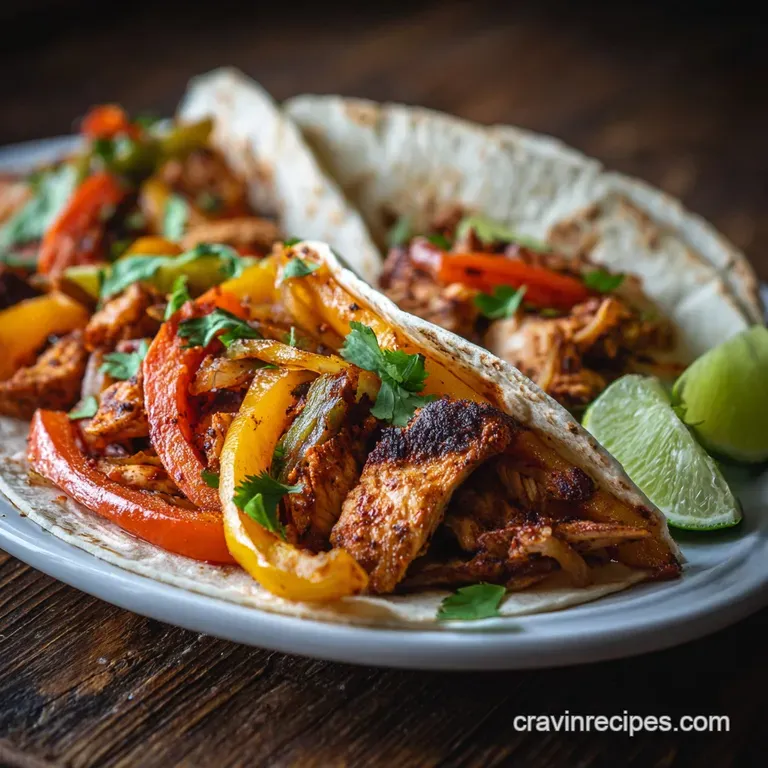
1. The over High heat Prep
Preheat your oven to 425°F (220°C). Note: A hot oven is critical to prevent the vegetables from steaming in their own juices. While the oven heats, slice your 1.5 lbs of chicken, 3 bell peppers, and 1 red onion into uniform 1/2 inch strips.
2. The Flavor Infusion
In a large bowl, combine the 3 tbsp avocado oil with the chili powder, cumin, smoked paprika, garlic powder, onion powder, oregano, salt, and pepper. Add the chicken and vegetables, tossing until every surface is glossy and coated.
3. The Sizzling Roast
Spread the mixture onto your large sheet pan in a single layer. Note: If the pan is too crowded, the moisture will trap heat and "boil" the meat instead of roasting it.
4. The Charring Finale
Bake for 18-20 minutes until the chicken is opaque and the peppers have dark, blistered edges. During the last 2 minutes, you can wrap your 8 tortillas in foil and pop them in the oven to warm through.
5. The Finishing Touch
Remove the pan from the oven and immediately squeeze the fresh lime juice over everything. Note: The steam will carry the lime aroma deep into the meat.
6. The Assembly
Top with 0.5 cup shredded Monterey Jack and the sliced avocado. Serve immediately while the cheese is still melting into the warm chicken.
| Feature | Fast (Sheet Pan) | Classic (Skillet) |
|---|---|---|
| Hands on Time | 10 minutes | 25 minutes |
| Cleanup | 1 pan | 1-2 pans + stovetop |
| Flavor Profile | Roasted and sweet | Seared and smoky |
Troubleshooting Common Cooking Errors for Better Sheet Pan Meals
Why Your Fajitas Came Out Soggy
The most common culprit is overcrowding the pan. When you pile 1.5 lbs of chicken and 4 large vegetables onto a small tray, the water released by the veggies has nowhere to go. It sits on the bottom of the pan, effectively poaching your dinner.
Why Your Chicken Is Dry
Chicken breast is lean and can turn from tender to "cardboard" in a matter of minutes. This usually happens if the strips are sliced too thin (less than 1/4 inch) or if the oven isn't hot enough, forcing the chicken to stay in longer to get color.
| Problem | Root Cause | Solution |
|---|---|---|
| Rubbery Chicken | Overcooking | Pull the pan when the internal temp hits 160°F; carryover heat will finish it to 165°F. |
| Bland Vegetables | Uneven Seasoning | Toss in a bowl first, don't just sprinkle spices over the pan. |
| Burnt Spices | Rack too high | Keep the pan in the center of the oven to avoid scorching the dried oregano. |
Common Mistakes Checklist
- ✓ Pat the chicken dry with paper towels before slicing to remove excess moisture.
- ✓ Use a large enough sheet pan (18x13 inches) to allow air circulation.
- ✓ Ensure the oven is fully preheated; don't rush the 425°F goal.
- ✓ Slice onions and peppers to the same thickness so they finish at the same time.
- ✓ Always add the lime juice after roasting to preserve its vibrant acidity.
Flexible Ingredient Substitutions and Regional Flavor Profile Variations
If you're looking for a change of pace, try the "Texas Heat" variation. Add two sliced jalapeños (seeds removed) to the roasting pan and swap the smoked paprika for extra chili flakes. The heat intensifies as the peppers roast, creating a spicy kick that pairs perfectly with a cold drink.
For a "Garden Fresh" version, you can swap the chicken for sturdy portobello mushroom strips. This is a great zero waste way to use up those mushrooms that are starting to look a bit wrinkled. The mushrooms act like sponges for the cumin and garlic powder.
- If you want a crunchier texture, skip the foil and char the tortillas directly over a gas flame for 10 seconds per side.
- If you prefer a milder flavor, replace the chili powder with an equal amount of mild paprika.
- If you need more healthy fats, double the avocado and skip the cheese entirely.
If you enjoy this kind of fast, high flavor cooking, you might also like my Buffalo Chicken Dip recipe. It uses similar flavor profiles but in a creamy, snackable format that's always a hit at gatherings.
Best Practices for Keeping Leftovers Fresh and Flavorful
Storage: Place any leftover chicken and peppers in an airtight container. They will stay fresh in the fridge for up to 4 days. I actually think the flavors meld even better on day two.
Freezing: You can freeze the cooked mixture for up to 3 months. However, be aware that the peppers will lose their structure and become much softer upon thawing. I recommend using frozen leftovers for things like fajita soup or inside an omelet.
Zero Waste Tip: Don't toss those onion ends or pepper scraps! Throw them into a freezer bag. Once you have a full bag, boil them with some water and salt to make a quick vegetable scrap stock for your next soup night.
Reheating: Avoid the microwave if you can it makes the chicken rubbery. Instead, throw the leftovers back onto a sheet pan and broil for 3-4 minutes. This restores the char and keeps the textures somewhat intact.
Handpicked Sides and Toppings for the Ultimate Dinner Spread
While these fajitas are a meal on their own, I love serving them with a side of cilantro lime rice. The rice acts as a neutral base that soaks up all the extra juices from the pan.
If you're looking for a lower carb option, a simple slaw made with shredded cabbage, lime, and a touch of honey provides a crisp contrast to the soft roasted peppers.
Don't forget the importance of "cold" toppings. A dollop of Greek yogurt or sour cream can cut through the heat of the chili powder, while some fresh pico de gallo adds a watery crunch that keeps the dish feeling light. If you have extra flour and twenty minutes, you could even whip up a batch of my Fluffy Pancakes From recipe for breakfast the next morning to use up any leftover avocado or lime!
Debunking Sheet Pan Myths
"You must sear the meat first for flavor." While searing adds flavor, at 425°F in a convection heavy environment, the meat undergoes the Maillard reaction right on the pan. Skipping the stovetop sear saves you a pan and 10 minutes without sacrificing significant depth.
"Frozen vegetables work just as well." Actually, frozen peppers release significantly more water than fresh ones. If you use frozen, you'll likely end up with a pool of liquid on your pan, which prevents the chicken from browning. Stick to fresh for that signature sizzle.
High in Sodium ⚠️
980 mg mg of sodium per serving (43% % of daily value)
The American Heart Association recommends limiting sodium intake to about 2,300mg per day for optimal heart health.
Sodium Reduction Tips for Chicken Fajitas
-
Reduce or Swap Cheese-15%
Monterey Jack cheese contributes a significant amount of sodium. Use half the amount or substitute with a lower sodium cheese like Swiss or fresh mozzarella, or omit it entirely. Lower sodium cheeses may alter the flavor, but still deliver a cheesy taste.
-
Reduce Added Salt-25%
This recipe uses 1 tsp of kosher salt. Try reducing the amount by half (1/2 tsp) or eliminating it entirely. Taste as you cook and adjust if needed. You can always add more at the end.
-
Choose Low-Sodium Tortillas-10%
Check the nutrition labels of your flour tortillas and opt for brands that offer low-sodium varieties. This can significantly reduce the overall sodium content of your fajitas.
-
Enhance with Lime
Use plenty of fresh lime juice to brighten the flavors of your fajitas. Lime juice can help to compensate for the reduced salt content and add a zesty kick.
-
Spice it Up!
Experiment with sodium free herbs and spices to enhance the flavor of your fajitas without adding extra sodium. Consider adding a pinch of cayenne pepper, dried cilantro, or cumin to boost the flavor profile.
Recipe FAQs
What is the ideal oven temperature for getting a good char?
Set the oven to 425°F (220°C). This high heat triggers rapid moisture evaporation and accelerates the Maillard reaction, mimicking a stovetop sear.
How do I prevent the chicken from becoming dry during roasting?
Cook until the internal temperature reaches 165°F (74°C) and rest for 3 minutes. Slicing the chicken uniformly thin ensures it cooks quickly without losing internal moisture.
How should I season the vegetables and meat for best coating?
Toss all ingredients in a large bowl with the oil and spices first. Do not try to season them directly on the sheet pan; a full toss ensures every surface is evenly coated before roasting.
Is it true that adding lime juice before baking improves flavor?
No, add the lime juice only after the pan comes out of the oven. Acid in the lime can "cook" the chicken protein during high heat exposure, leading to a tougher, rubbery texture.
How to ensure vegetables roast instead of steam on the sheet pan?
Spread the chicken and vegetables in a single, non-overlapping layer. Overcrowding the pan traps moisture released by the peppers and onions, causing them to boil instead of char.
What is the best practice if I want to use pre-cooked or frozen chicken?
Yes, you can use pre-cooked chicken if you adjust the baking time significantly. Since the chicken is already done, roast only for 8-10 minutes to heat through and char the vegetables; monitor closely to avoid drying the meat.
How to quickly warm up tortillas while the chicken finishes?
Wrap the tortillas tightly in aluminum foil and place them in the oven for the last 2 minutes of cooking. This steams them gently, making them pliable and warm without drying them out.
Sheet Pan Chicken Fajitas
Ingredients:
Instructions:
Nutrition Facts:
| Calories | 585 calories |
|---|---|
| Protein | 45g |
| Fat | 28g |
| Carbs | 42g |
| Fiber | 9g |
| Sugar | 6g |
| Sodium | 980mg |
