Simple Vanilla Naked Cake Recipe
- Time: Active 45 minutes, Passive 35 minutes, Total 1 hours 20 mins
- Flavor/Texture Hook: Decadent buttery crumb with a velvety, "scraped" finish
- Perfect for: Rustic weddings, milestone birthdays, or a chic garden party
- The Secret to a Stunning Naked Cake
- Understanding the Core Specs for Baking Success
- Analyzing the Essential Components for Velvety Texture
- Choosing the Proper Tools for a Level Bake
- Executing the Perfect Sponge and Signature Scrape
- Solving Structural Issues and Frosting Flaws Fast
- Customizing Flavors for Birthdays and Romantic Weddings
- Debunking Common Baking Misconceptions
- Keeping Your Sponge Moist During Storage
- Presentation Tips for Your Rustic Dessert Showpiece
- Recipe FAQs
- 📝 Recipe Card
The Secret to a Stunning Naked Cake
The kitchen currently smells like a dream that specific, heady mix of warm butter and vanilla bean paste that lingers in the air long after the oven timer chirps. I still remember the first time I attempted a semi naked cake for a friend’s backyard engagement.
I was terrified because I’d always used thick fondant to hide my mistakes, but there is something so incredibly honest about seeing the actual texture of the sponge peeking through. It’s rustic, it’s chic, and honestly, it’s a lot less stressful than chasing that "perfect" smooth edge for hours.
We aren't just making a cake here; we are creating a centerpiece that celebrates the bake itself. By using a "scrape" technique with the buttercream, you allow the golden edges of the cake to become part of the design.
It is a sweet, indulgent experience where the richness of the butter is balanced by the lightness of the egg whites. Trust me, once you see that first slice come out with those clean, distinct layers, you will never go back to drowning your cakes in two inches of heavy frosting.
The beauty of this naked cake recipe lies in its vulnerability. We are using a reverse creaming method to ensure the crumb is tight and velvety, which is vital when you don't have a wall of frosting to keep everything together.
It is a foolproof way to get that high end bakery look without needing a degree in sugar art. Ready to get your hands a little floury?
Understanding the Core Specs for Baking Success
The chemistry of a great bake isn't just about following steps; it's about understanding how your environment affects the final crumb. This specific naked cake recipe relies on the stability of the sponge to handle the "naked" look without drying out.
Unlike a fully frosted cake, the edges are exposed to air, which is why our hydration syrup is a non negotiable step for keeping things tender.
The Molecular Structure of Reverse Creaming: By coating the cake flour and granulated sugar in butter before adding liquids, we limit gluten development. This ensures the crumb remains tight and velvety rather than bready or tough.
Chef Tip: Freeze your butter for exactly 10 minutes before cubing it for the frosting; it helps the buttercream maintain its structural integrity while you scrape the sides.
Precision Checkpoints
- Internal Temperature: Aim for 98°C at the center of the cake for a fully set but moist sponge.
- Butter Texture: Ensure your 225g of cake butter is exactly 18°C cool to the touch but pliable.
- Cooling Time: Allow the cakes to rest in the pans for exactly 10 minutes before moving to a wire rack to prevent tearing.
| Pan Size (3 Layers) | Total Bake Time | Rest Time | Visual Cue |
|---|---|---|---|
| 15cm (6 inch) | 30-35 minutes | 10 minutes | Springs back when pressed |
| 20cm (8 inch) | 35-40 minutes | 15 minutes | Edges pull away from sides |
| 25cm (10 inch) | 45-50 minutes | 15 minutes | Tester comes out with 2 crumbs |
If you want a cake that feels like a professional wedding tier, always use room temperature ingredients for the batter. Cold milk or egg whites will cause the butter to seize, leading to a curdled look and a heavy, dense texture that won't hold the "scrape" finish well.
Analyzing the Essential Components for Velvety Texture
Every ingredient in this list serves a specific structural purpose. We are using 375g of cake flour because its lower protein content is the key to that "melt in-your mouth" feel. If you swapped this for all purpose flour, you’d end up with a cake that’s far too sturdy for this delicate style.
The 150g of egg whites (about 4 to 5 large eggs) are the secret to the bright white color of the sponge, providing lift without the yellow tint or heavy fat of the yolks.
The 500g of sifted powdered sugar in the frosting might seem like a lot, but it provides the necessary body for the "semi naked" look. Without enough sugar, the buttercream would be too translucent and wouldn't grip the sides of the cake during the scraping process.
If you find the frosting too stiff, the 2 tbsp of heavy cream is your best friend for reaching that spreadable, silky consistency.
| Ingredient | Science Role | Pro Secret |
|---|---|---|
| 375g Cake Flour | Low protein/Gluten control | Sift twice to aerate the structure |
| 225g Unsalted Butter | Fat/Tenderizer | Use high fat European style butter |
| 150g Egg Whites | Structure/Color | Whisk slightly before adding to the batter |
| 1 tsp Vanilla Bean Paste | Flavor/Visual | The seeds add a "luxury" look to frosting |
For the liquid components, the 240ml of whole milk provides the hydration needed for the 400g of granulated sugar to dissolve properly. If you're out of cake flour, you can actually make a quick version at home similar to how we swap ingredients in my Pancake Mix Recipe, just replace two tablespoons of every cup of all purpose flour with cornstarch. It’s a handy trick that has saved many of my Sunday bakes.
| Original Ingredient | Substitute | Why It Works |
|---|---|---|
| 375g Cake Flour | 325g AP Flour + 50g Cornstarch | Lowers protein to mimic cake flour texture |
| 240ml Whole Milk | 240ml Buttermilk | Adds a slight tang—Note: reduces rise slightly |
| 150g Egg Whites | 3 Whole Eggs | Richer flavor but turns the sponge yellow |
Choosing the Proper Tools for a Level Bake
To get those clean, sharp layers that look so good in a naked cake, you need the right gear. A turntable is almost mandatory here. You can’t get that even "scrape" on the buttercream if you are trying to walk around a stationary plate.
A large offset spatula and a stainless steel bench scraper are the only two tools that will give you that professional semi transparent finish.
I always suggest using high-quality aluminum cake pans rather than glass or dark non stick. Aluminum conducts heat evenly, which prevents the edges of your 375g flour sponge from browning too quickly while the center is still gooey.
Also, don't skip the parchment paper rounds greasing isn't enough when you're working with a delicate reverse creamed cake.
Preparing the Perfect Foundation
- Kitchen Scale: Weights in grams are non negotiable for baking.
- Electric Stand Mixer: Needed for the 450g of frosting butter to get it truly white.
- Revolving Turntable: Essential for the "scrape" technique.
- Bench Scraper: Used to strip away excess buttercream for the naked look.
Using a fresh from the oven approach always beats a store-bought shortcut, especially for a naked cake where the flavor is so exposed.
| Component | Fresh Method | Shortcut (Box) | Resulting Impact |
|---|---|---|---|
| Sponge | Butter based reverse cream | Oil based mix | Fresh is sturdier for stacking |
| Frosting | Swiss style or whipped butter | Canned frosting | Shortcut is too soft to "scrape" |
| Syrup | Homemade sugar infusion | Jam/Preserves | Syrup preserves moisture better |
Executing the Perfect Sponge and Signature Scrape
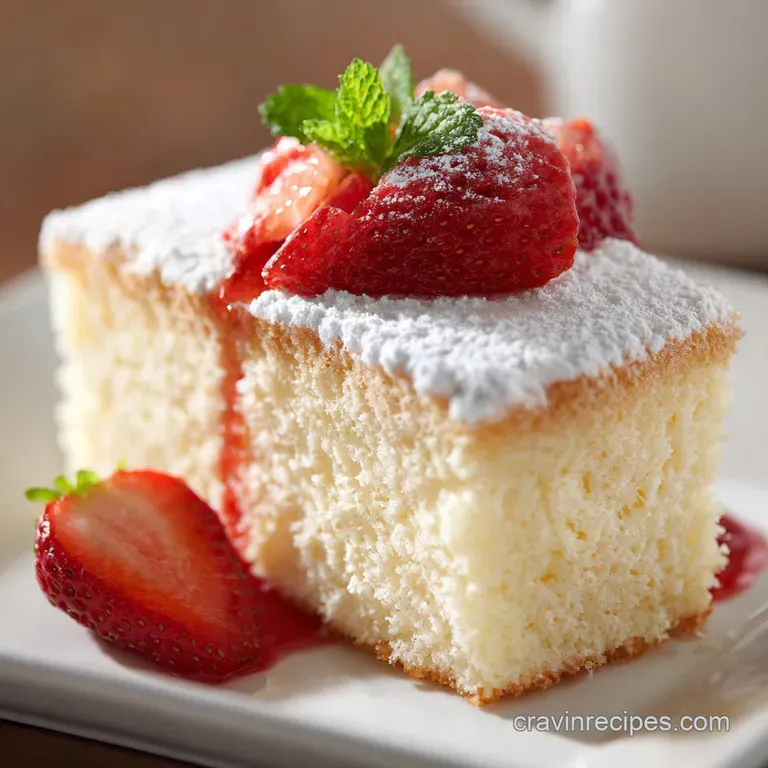
- Preheat and Prep. Set your oven to 180°C. Grease three 20cm pans and line the bottoms with parchment. Note: This prevents the delicate base from sticking.
- Mix Dry Ingredients. Combine 375g cake flour, 400g sugar, 1 tbsp baking powder, and 0.5 tsp salt in your mixer bowl. Whisk on low for 30 seconds until the mixture is aerated and lump free.
- Add Butter. Drop in 225g of room temperature butter pieces. Mix on medium low until the mixture looks like fine, wet sand.
- Incorporate Liquids. Whisk 150g egg whites, 240ml milk, and 1 tbsp vanilla. Add half to the flour mixture and beat for 2 minutes until the batter is pale and voluminous.
- Finish the Batter. Add the remaining liquid in two stages. Mix until the batter is silky and just combined. Note: Do not overmix here or the cake will be tough.
- Bake the Layers. Divide the batter evenly. Bake 35 minutes until the tops are golden and spring back when touched.
- Make the Syrup. Simmer 100ml water and 100g sugar until the liquid is clear and slightly thickened. Brush onto warm cakes immediately.
- Whip the Buttercream. Beat 450g butter for 5 minutes until it turns nearly white. Add 500g powdered sugar, vanilla bean paste, and cream. Whip until it looks like a velvety cloud.
- Stack and Fill. Pipe a ring of frosting on the first layer and fill the center. Repeat. until all three layers are stacked level.
- The Scrape. Apply a thin layer of buttercream to the sides. Hold your bench scraper at a 45 degree angle and spin the turntable until the cake layers peek through the frosting.
Solving Structural Issues and Frosting Flaws Fast
The biggest hurdle with an easy naked cake is often the "leaning tower" effect. Because we aren't using a thick layer of frosting to glue everything, your layers must be perfectly level. If your cakes domed in the oven, use a serrated knife to shave them flat before you even think about stacking.
If the cake is sliding, your buttercream is likely too warm. Pop the whole thing in the fridge for 20 minutes to set the fat.
Why Your Cake Is Crumbling
If your sponge falls apart while you are trying to apply the buttercream, it’s usually because the cake is too fresh or too warm. The reverse creaming method produces a very tender crumb, which is a dream to eat but a challenge to frost.
I always recommend chilling your layers for at least 2 hours (or even overnight) before assembling. Cold cake is structural cake!
| Problem | Root Cause | Solution |
|---|---|---|
| Dry Edges | Exposed to air too long | Increase hydration syrup application |
| Slipping Layers | Frosting is too soft/warm | Chill the cake between every layer added |
| Air Bubbles | Mixing frosting on high speed | Hand stir buttercream with a spatula for 2 mins |
Common Mistakes Checklist
- ✓ Using cold eggs or milk (causes the butter to clump and the batter to break).
- ✓ Over baking even by 2 minutes (naked cakes dry out faster than fully frosted ones).
- ✓ Skipping the syrup (the syrup is what keeps the exposed "naked" parts moist).
- ✓ Applying frosting to a warm cake (it will melt into a greasy mess instantly).
- ✓ Using a serrated scraper (it creates ridges instead of that smooth, rustic look).
Customizing Flavors for Birthdays and Romantic Weddings
The versatility of this simple naked cake recipe is why it’s a staple in my repertoire. For a birthday, I love adding a handful of sprinkles to the batter to turn it into a "naked funfetti." For a more sophisticated wedding look, you can swap the vanilla bean paste for almond extract or elderflower syrup in the hydration stage.
If you are a chocolate lover, you might want to try a naked chocolate cake. Just swap 50g of the cake flour for high-quality cocoa powder. The dark layers against white buttercream create a striking, high contrast look that is absolutely stunning with fresh raspberries. If you're feeling adventurous, you could even try a layered look by alternating with my Red Velvet Cake recipe for a vibrant pop of color inside.
Scaling the Recipe
- To make a half batch (6 servings): Use 6 inch pans and reduce bake time by 5-8 minutes. Beat 3 egg whites and use exactly half by weight.
- To double the recipe (24 servings): Scale the salt and baking powder to 1.5x only to avoid a metallic taste. Work in two separate batches of batter to ensure the mixer doesn't overwork the gluten.
- Baking for Tiers: If doubling for a wedding, lower the oven temp to 165°C and bake for 10-15 minutes longer to ensure the larger center cooks without burning the edges.
Decisions for Your Design
- If you want a "Semi Naked" look: Apply slightly more frosting and scrape gently.
- If you want a "True Naked" look: Only frost between the layers and leave the sides completely bare.
- If you want a "Rustic Chic" look: Use a spoon to create messy swirls on the top and keep the sides thin.
Debunking Common Baking Misconceptions
One of the biggest myths in the baking world is that "naked cakes are just unfinished cakes." In reality, a naked cake requires more precision because you can't hide a lopsided layer or a burnt edge. It's about intentionality.
Another common one: "You don't need cake flour." People think all purpose is fine, but the protein difference is huge. All purpose flour has about 11% protein, while cake flour has around 7-8%. That 3% is the difference between a sponge that feels like bread and one that feels like silk.
Finally, don't believe that sifting is optional. For this recipe, sifting the 375g of flour with the sugar is what gives you that uniform, hole free crumb.
Keeping Your Sponge Moist During Storage
Since a semi naked cake has exposed sides, storage is key. If you leave it out on the counter, it will dry out in hours. Always keep it in a sealed cake dome or wrap the exposed areas with a bit of parchment paper before putting it in the fridge. It will stay fresh for up to 4 days in the refrigerator.
For long term storage, you can freeze the individual cake layers (wrapped in double layers of plastic wrap and foil) for up to 3 months. I don't recommend freezing the fully assembled cake, as the buttercream can sometimes crack when it thaws.
Zero Waste Tip: If you trimmed the domes off your cakes to level them, don't throw those scraps away! Crumble them up, mix with a spoonful of leftover buttercream, and roll them into cake pops. Or, layer the scraps in glasses with some fresh berries and whipped cream for a quick trifle.
It’s an indulgent way to make sure every gram of that 225g of butter is enjoyed.
Presentation Tips for Your Rustic Dessert Showpiece
When it comes to how to decorate a naked cake, less is usually more. Fresh, non toxic flowers like roses, peonies, or lavender are the classic choice. Just make sure to wrap the stems in floral tape before inserting them into the cake.
Fresh berries are another fantastic option the juice from a halved strawberry soaking slightly into the "naked" side of the cake is both beautiful and sweet.
If you are hosting a larger event, I love pairing this cake with smaller treats like my Mini Cheesecake Recipe. Placing the towering naked cake in the center of a dessert table surrounded by bite sized cheesecakes creates a professional, curated look that guests will rave about. Serve each slice with a dollop of extra vanilla bean buttercream on the side for those who want a bit more indulgence.
Finally, remember that the "imperfections" are what make this style work. A little bit of crumb showing through or an uneven scrape adds to the charm. It’s meant to look handmade, sweet, and inviting not like it came out of a factory mold. Now, go grab your bench scraper and let’s get scraping!
Recipe FAQs
Is the reverse creaming method necessary for a naked cake?
Yes, it is vital for this style. The reverse creaming method creates a tight, velvety crumb structure that is sturdy enough to be left exposed without drying out.
How to prevent the exposed edges of the cake from drying out?
Brush warm layers immediately with a hydration syrup. This simple sugar water mixture penetrates the exposed sponge, locking in moisture that would otherwise evaporate.
Is chilling the cake layers before assembly mandatory?
Yes, chilling is highly recommended for stability. Cold cake layers are much firmer and will not tear or crumble when you apply and scrape the buttercream.
How do I achieve the signature "scraped" look on the sides?
Apply a very thin coat of frosting, then use a bench scraper. Hold the scraper at a 45-degree angle and spin the turntable until the cake layers are visible through the thin coating.
Can I substitute all-purpose flour for cake flour in this recipe?
No, stick with cake flour or make a substitute. Cake flour's low protein content is crucial for the desired melt-in-your mouth texture; all-purpose flour results in a tougher crumb.
How long can a fully assembled naked cake safely be stored?
Up to four days in the refrigerator is ideal. Keep it sealed in a cake dome, as the exposed sides will dry out quickly if left uncovered.
What is the ideal internal temperature for a fully baked naked cake layer?
Aim for 98°C (208°F) at the center. Use an instant read thermometer to confirm; this temperature ensures the structure is set while retaining maximum moisture.
Simple Vanilla Naked Cake
Ingredients:
Instructions:
Nutrition Facts:
| Calories | 867 calories |
|---|---|
| Protein | 5 g |
| Fat | 47 g |
| Carbs | 109 g |
| Fiber | 1 g |
| Sugar | 83 g |
| Sodium | 108 mg |
