Buttery Sugar Cookie Dough for Cutouts
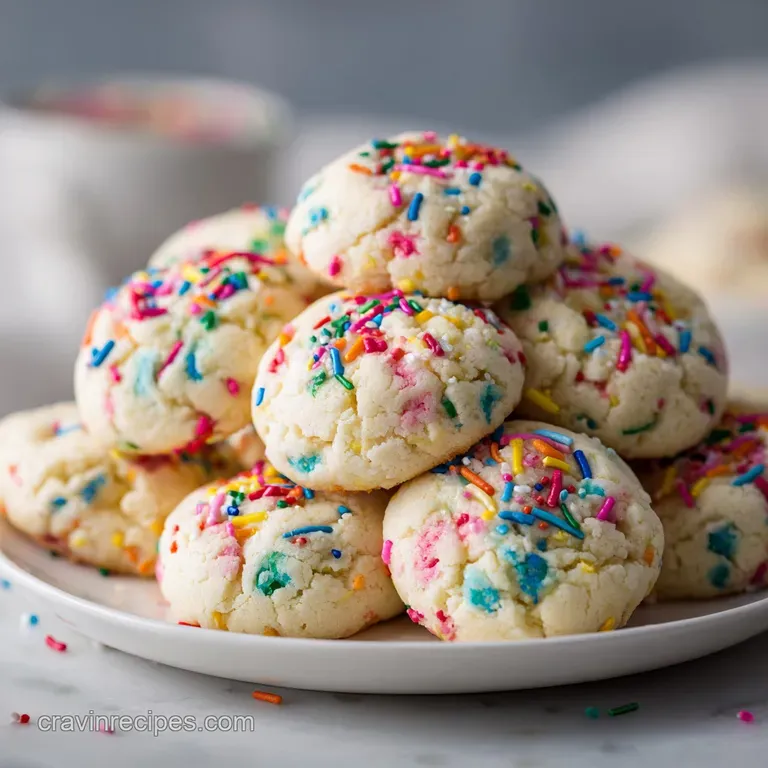
- Time: Active 20 mins, Passive 50 mins, Total 1 hour 10 mins
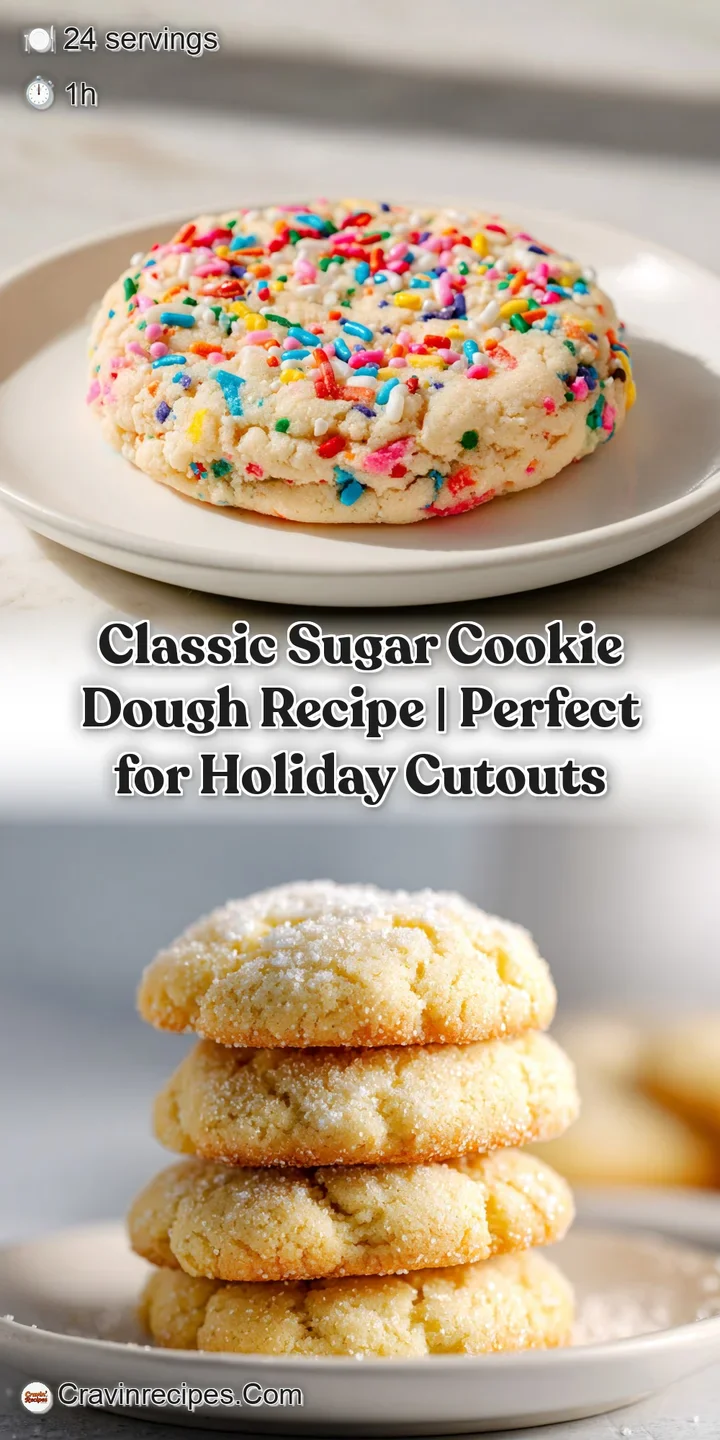
- Flavor/Texture Hook: Buttery, shatter crisp edges with a tender, velvety center
- Perfect for: Holiday decorating, birthday parties, or gift boxes
- Why This Works
- The Science of the Snap
- The Essential Pantry Elements for Buttery Dough
- Tooling Up for Effortless Rolling and Cutting
- The Step-by-Step Guide to Baking Golden Cookies
- Preventing Spread and Toughness in Your Cookies
- Modifying Ingredients for Special Dietary Preferences
- Preserving Freshness for Future Sweet Cravings
- Indulgent Pairings for Your Finished Sugar Cookies
- Final Myths to Debunk
- Recipe FAQs
- 📝 Recipe Card
Close your eyes and imagine that specific whir of a stand mixer the one where the paddle attachment starts slapping against the sides of the bowl as the butter and sugar begin to merge.
It’s a sound that always brings me back to my grandmother’s kitchen, where the air felt thick with the scent of high-quality vanilla and the faint, cherry like aroma of almond extract.
I remember sticking my finger into the bowl (when she wasn't looking, of course) and tasting that gritty, sweet, indulgent paste. That was my first lesson: if the dough doesn't taste like a dream, the cookie won't either.
For years, I struggled with dough that would either spread into a sad, sugary puddle or turn into something resembling a dry cracker. I’ve had my fair share of "Pinterest fails" where a snowflake cutter ended up looking like a blob.
But through a lot of trial and error and a few burnt batches I realized that the magic isn't just in the ingredients, but in the temperature and the tiny additions that change the chemistry of the bake.
This recipe is the result of those messy afternoons, refined into a foolproof method that gives you those sharp, clean edges every single time.
Why This Works
- Starch Stability: Adding 2 tbsp cornstarch softens the harsh proteins in the all purpose flour, creating a more tender, melt in-your mouth texture.
- Flavor Layering: The 0.5 tsp almond extract acts as a flavor booster, making the 1.5 tsp vanilla extract taste even more profound and complex.
- Moisture Control: Using a single large egg provides just enough protein to bind the dough without adding excess liquid that causes spreading.
- Crystalline Structure: Granulated white sugar cuts through the butter during creaming, creating tiny air pockets that provide a delicate lift without needing baking powder.
| Method | Prep Time | Texture Result | Best Used For |
|---|---|---|---|
| Fresh Dough | 1 hour 10 mins | Buttery and tender | Delicate shapes and decorating |
| store-bought Tube | 5 mins | Greasy and soft | Quick snacks, not for shapes |
| Frozen Pre Cut | 15 mins | Slightly drier | Large batches for kids |
The contrast between making this from scratch and grabbing a tube from the store is night and day. While a shortcut might save you some time, it usually relies on palm oils and artificial flavorings that leave a film on the roof of your mouth.
When you use 1 cup of real, high-quality unsalted butter, you get a richness that simply cannot be replicated. This dough is designed to be rolled thin, maintaining its integrity so you can peel away the scraps without deforming your beautiful cutouts.
The Science of the Snap
| Ingredient | Science Role | Pro Secret |
|---|---|---|
| Unsalted Butter | Fat source for flavor and mouthfeel | Use butter that's cool to the touch (65°F) for better aeration. |
| All Purpose Flour | Provides the structural framework | Weigh your flour (375g) to avoid a dry, crumbly dough. |
| Cornstarch | Interferes with gluten formation | This is what gives the cookie that professional "short" texture. |
The Essential Pantry Elements for Buttery Dough
To get started, make sure your ingredients are at the right temperature. If your egg is cold, it will curdle the butter; if your butter is too hot, your cookies will collapse. If you are looking for a different vibe, like a Soft and Chewy recipe, you'll notice the ratios shift, but for this specific cutout style, we need precision.
- 1 cup (227g) unsalted butter, slightly softened Why this? Provides the foundational flavor and creates the essential fat sugar emulsion. (Substitute: Salted butter, but omit the extra sea salt).
- 1 cup (200g) granulated white sugar Why this? Aerates the butter and provides a crisp, golden exterior. (Substitute: Caster sugar for an even finer crumb).
- 1 large egg, room temperature Why this? Binds the ingredients together while adding richness. (Substitute: 1/4 cup unsweetened applesauce for a softer, egg free version).
- 1.5 tsp high-quality vanilla extract Why this? The primary aromatic that defines a classic sugar cookie. (Substitute: Vanilla bean paste for those beautiful black flecks).
- 0.5 tsp almond extract Why this? Adds a professional, bakery style depth of flavor. (Substitute: Lemon extract for a bright, citrusy twist).
- 3 cups (375g) all purpose flour Why this? Gives the cookie the strength to hold intricate shapes. (Substitute: 1 to-1 gluten-free flour blend).
- 2 tbsp cornstarch Why this? Keeps the cookies tender and prevents them from becoming too tough. (Substitute: Arrowroot powder).
- 0.5 tsp fine sea salt Why this? Sharpens the sweetness and balances the richness of the butter. (Substitute: Table salt, but use slightly less).
Tooling Up for Effortless Rolling and Cutting
You don't need a professional bakery setup to make this work, but a few specific tools will make your life significantly easier. I highly recommend a stand mixer if you have one; it allows you to cream the butter and sugar for a full 3 minutes without your arm falling off.
If you're using a hand mixer, just be patient and keep it moving to ensure everything is light and fluffy.
A rolling pin with adjustable rings is my secret weapon for this Sugar Cookie Dough. It ensures every single cookie is exactly 1/4 inch thick, which means they all bake at the exact same rate. No more burnt edges on the thin ones while the thick ones are still raw in the middle!
Also, grab some parchment paper. We are going to roll the dough between two sheets to avoid adding extra flour, which can make the cookies tough.
The step-by-step Guide to Baking Golden Cookies
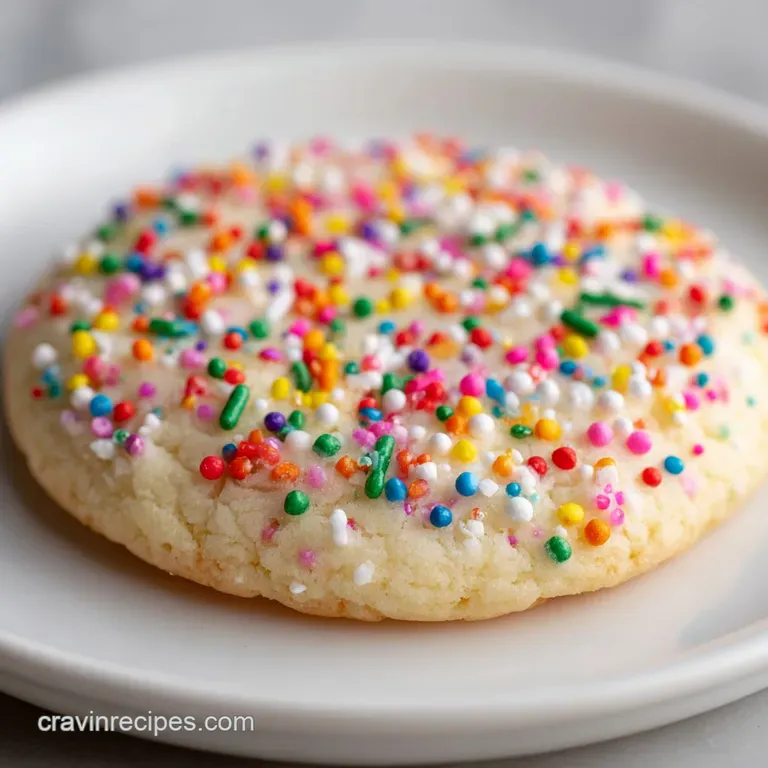
- Cream the fats. Beat the 1 cup unsalted butter and 1 cup granulated sugar in a large bowl. Note: Continue for 3 minutes until the mixture looks pale and fluffy.
- Incorporate the aromatics. Add the 1 large egg, 1.5 tsp vanilla, and 0.5 tsp almond extract. Note: Scraping the sides of the bowl ensures a smooth emulsion.
- Sift the drys. Whisk together the 3 cups all purpose flour, 2 tbsp cornstarch, and 0.5 tsp fine sea salt in a separate container.
- Combine the mixtures. Gradually add the dry ingredients to the wet mixture on low speed. Note: Stop until no streaks of white flour remain to prevent overworking the gluten.
- Divide and prep. Split the dough into two equal portions and flatten them into discs.
- Roll it out. Place a disc between two sheets of parchment paper and roll to 1/4 inch thickness.
- Chill the sheets. Slide the rolled out dough (still in the parchment) onto a baking sheet and refrigerate for 45 minutes. Note: This step is mandatory for clean edges.
- Cut the shapes. Use your favorite cutters to stamp out shapes. until the dough feels firm and holds its form.
- Bake the batch. Place cookies 2 inches apart on a lined sheet and bake at 350°F (180°C) for 9 to 11 minutes. Note: Pull them out until the edges are just barely set; they shouldn't be brown.
- Cool completely. Transfer to a wire rack after 5 minutes on the baking sheet.
Chef's Tip: If your kitchen is warm, put your cookie cutters in the freezer for 10 minutes before using them. The cold metal helps slice through the butter rich dough like a scalpel, giving you incredibly sharp lines.
Preventing Spread and Toughness in Your Cookies
The most common heartbreak with this recipe is when the cookies lose their shape in the oven. This usually happens because the butter has become too warm before hitting the heat. If you find your dough is sticking to the cutters, it's a sign that it needs to go back into the fridge.
I always say, "When in doubt, chill it out." A cold cookie entering a hot oven creates an immediate "set" on the edges, preventing that dreaded spreading.
The Texture is Too Crumbly
If your dough is falling apart as you try to roll it, you likely over measured the flour or your egg was too small. You can fix this by kneading in a teaspoon of room temperature milk at a time until it comes together. However, be careful too much liquid will lead to more spread during the bake.
Dealing with Sticky Dough
On the flip side, if the dough is sticking to everything, it might be too warm or you didn't use enough flour. Instead of adding more flour to the surface, which ruins the flavor, try rolling the dough between parchment paper. If it's still unmanageable, pop it in the freezer for 10 minutes.
| Problem | Root Cause | Solution |
|---|---|---|
| Cookies Spreading | Butter was too warm | Chill cut shapes for 15 mins before baking. |
| Tough/Hard Cookie | Overmixed the flour | Mix only until flour disappears; avoid re rolling scraps too much. |
| Browning too fast | Oven temperature too high | Calibrate oven; move rack to the middle position. |
- ✓ Always use room temperature eggs to ensure a smooth, non curdled dough.
- ✓ Measure flour by spooning it into the cup and leveling it off with a knife.
- ✓ Don't skip the cornstarch; it's the secret to that professional bakery texture.
- ✓ Roll the dough before chilling to make the process easier on your wrists.
- ✓ Use a metal spatula to transfer cutouts to the baking sheet to maintain their shape.
Modifying Ingredients for Special Dietary Preferences
If you're catering to different needs, this dough is surprisingly resilient. For a gluten-free version, a high-quality 1 to-1 blend (like King Arthur or Bob's Red Mill) works perfectly because the cornstarch already helps with the texture.
You might just need to let the dough rest an extra 30 minutes to allow the rice flours to hydrate properly, which prevents a gritty mouthfeel.
For a vegan alternative, use a plant based butter stick (not the tub kind!) and a flax egg. Keep in mind that plant based fats often have a lower melting point, so you’ll need to work quickly and keep the dough very cold. For a deeper cocoa hit, you could even try making a chocolate version, or check out these Cookies Double Choc recipe for a more indulgent, fudgy experience.
Preserving Freshness for Future Sweet Cravings
This Sugar Cookie Dough is a meal prepper’s dream. You can make the dough, roll it into sheets, and freeze those sheets with parchment in between. When you’re ready to bake, just cut the shapes while the dough is still frozen and add 1 or 2 minutes to the baking time.
It’s the perfect way to have "fresh" cookies ready at a moment's notice during the busy holiday season.
Once baked, these cookies stay fresh in an airtight container for up to 1 week at room temperature. If you’ve decorated them with royal icing, make sure the icing is completely dry before stacking them with wax paper in between.
To keep them soft, tuck a small piece of white bread into the container the cookies will absorb the moisture from the bread without changing their flavor. Leftover scraps of dough shouldn't be wasted! I like to bake them off as "taster bites" or crumble them over vanilla ice cream.
Indulgent Pairings for Your Finished Sugar Cookies
A plain sugar cookie is a canvas, but pairing it correctly makes it an event. If you want something truly classic, serve these with a cold glass of whole milk. The fat in the milk cuts through the sugar and highlights the buttery notes of the dough.
For a more grown up vibe, try pairing them with a sharp Earl Grey tea or a dark roast coffee. The bitterness of the coffee creates a beautiful contrast with the sweet, almond scented crumb.
If you're feeling extra, you could even use these cookies to scoop up some Cinnamon Rolls for recipe icing or a fruit based dip. They also make incredible ice cream sandwiches just make sure to bake them slightly softer (9 minutes) so they don't shatter when you bite into the frozen center.
Final Myths to Debunk
There's a common misconception that you should use "cake flour" for a softer cookie. In reality, cake flour is too weak to support the structure of a cutout cookie, and you'll end up with edges that slump. All purpose flour plus cornstarch is the superior combination for strength and tenderness.
Another myth is that you can't over cream the butter and sugar. Actually, if you beat them for too long (over 5 minutes), you incorporate too much air. This causes the cookies to puff up in the oven and then deflate, leaving you with a wrinkled surface.
Stick to the 3 minute rule for a smooth, flat top that's perfect for icing. Trust me, following these little details is what turns a good cookie into the one everyone asks you for the recipe for!
Recipe FAQs
What is sugar cookie dough made of?
It is primarily flour, butter, sugar, and eggs. These core ingredients form the structure and rich flavor base. The tenderness often comes from adding a starch, like cornstarch, which cuts down on gluten development.
What is the secret to a good sugar cookie?
The secret is temperature control and chilling the dough thoroughly. Working with chilled, but not rock hard, butter creates the best texture. This technique, which prevents spreading, is also crucial when making layered baked goods like our Chocolate Swirl Loaf recipe.
What are the ingredients for sugar cookies?
Standard ingredients include flour, unsalted butter, granulated sugar, eggs, vanilla, and salt. Many professional recipes also add a touch of almond extract and cornstarch to enhance flavor complexity and texture tenderness.
What is Snoop Dogg's cookie recipe?
There is no single, official Snoop Dogg sugar cookie recipe widely published by him. His culinary focuses often lean towards barbecue and comfort foods, but his approach generally favors bold, authentic flavors.
How to prevent sugar cookies from spreading while baking?
Chill the cut dough shapes for at least 30 minutes before baking them. This solidification of the fat means the cookie hits the oven already set, preventing it from spreading before the flour proteins cook. This precision in temperature management also works well for delicate items like our Chocolate Cupcakes with Chocolate recipe.
Should I use baking powder or baking soda in cutout sugar cookies?
No, skip chemical leaveners entirely for traditional cutout cookies. Baking powder or soda causes puffing and spread, which destroys the crisp edges needed for decorating. You want a dense, flat structure, relying on air whipped into the butter for minor lift.
Can I substitute vanilla extract with almond extract?
You can substitute, but use significantly less almond extract because it is much stronger. Almond extract is often used alongside vanilla to add complexity, but too much will make the cookies taste like marzipan. Use about 1/4 the amount of almond extract if replacing vanilla completely.
Sugar Cookie Dough Recipe
Ingredients:
Instructions:
Nutrition Facts:
| Calories | 162 kcal |
|---|---|
| Protein | 1.9 g |
| Fat | 8.1 g |
| Carbs | 20.9 g |
| Fiber | 0.4 g |
| Sugar | 8.3 g |
| Sodium | 53 mg |
