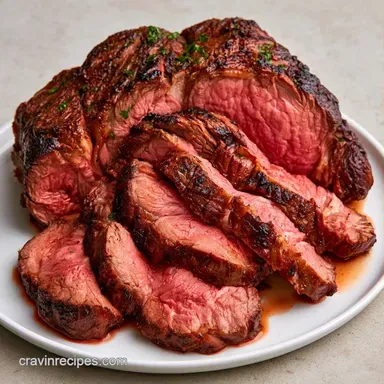
Chuck Eye Steak Roast: Oven Roasted
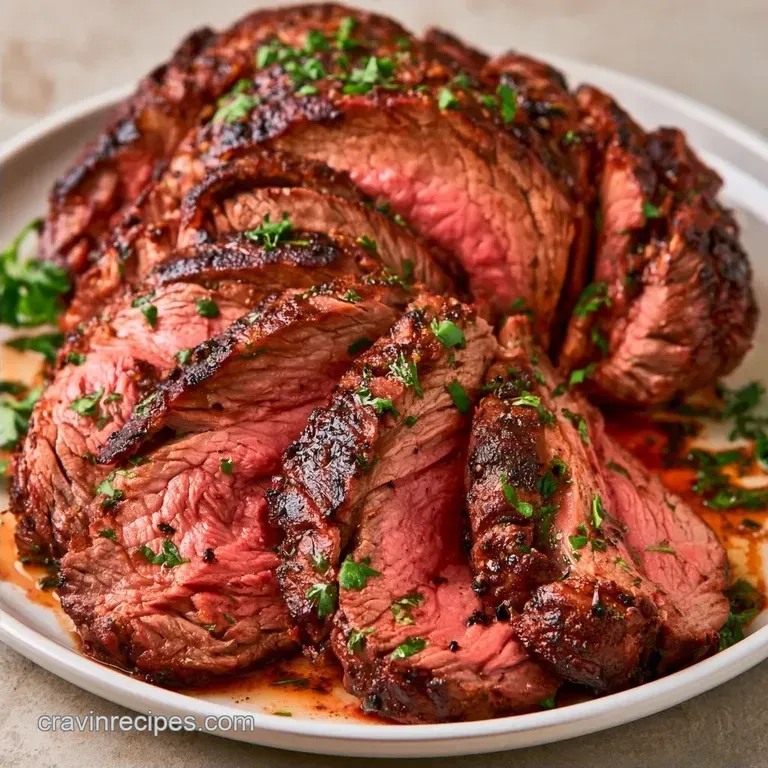
- Time: 15 min active + 2 hours cooking
- Flavor/Texture Hook: A deep mahogany crust paired with a succulent, rich interior
- Perfect for: Sunday family meals or an impressive date night
Few things in the kitchen are as satisfying as the hiss of a cast iron pan. That initial sizzle when salted beef hits shimmering oil is pure culinary bliss. I once mistook this cut for a standard, tough shoulder piece, but I couldn't have been more wrong.
Its secret lies in its position right at the junction of the chuck and the rib. This grants the meat the intense marbling typically reserved for luxury steaks. Avoid treating it like a traditional pot roast by braising it in liquid, which strips away its steak like nature.
Instead, handle it with the care of a prime cut.
The result is a dish that rivals a luxury steakhouse but requires minimal active work. We're aiming for a bold, dark exterior and a perfectly uniform pink center.
Chuck Eye Steak Roast
- The Cut
- This specific beef has high intramuscular fat, which means it doesn't dry out at low temperatures.
- Reverse Sear
- Cooking it low and slow first ensures the middle is cooked evenly before the over high heat finish adds the crust.
- Airflow
- Using a wire rack stops the bottom from steaming, so you get a roast instead of a boiled piece of meat.
| Method | Cook Time | Texture | Best For |
|---|---|---|---|
| Fast Sear | 1 hour | Gradient (gray edges) | Quick weeknight meals |
| Reverse Sear | 3 hours | Consistent pink | Special family dinners |
I've found that this approach is way more forgiving than traditional roasting. You don't have to guess when it's done because the internal temperature tells the whole story.
Gear You'll Need
2 Must Have Tools
You really need a digital meat thermometer. Without one, you are just guessing, and a few degrees can be the difference between medium rare and overdone. A cast iron skillet is also a must for that final sear since it holds heat better than any other pan.
Supporting Gear
A wire cooling rack and a rimmed baking sheet keep the meat elevated. You'll also want some paper towels to get the beef bone dry before seasoning, as moisture is the enemy of a good crust.
Ingredient Deep Dive
The Protein
The 3 lb Chuck Eye Steak Roast is the star here. It's essentially the "poor man's ribeye" because of the fat content. If you can't find it, a center cut ribeye roast works, though it will cost you a lot more.
The Signature Rub
We keep it simple with salt, pepper, and garlic powder. This creates a salty, savory base that doesn't mask the beefy flavor.
| Ingredient | What It Does | Best Swap |
|---|---|---|
| Chuck Eye Roast | Main protein with heavy marbling | Ribeye roast (more expensive) |
| Avocado Oil | over High heat searing | Grapeseed oil |
| Unsalted Butter | Adds richness and browning | Ghee (higher smoke point) |
| Fresh Thyme/Rosemary | Aromatic herbal notes | Dried herbs (use 1/3 amount) |
The Steakhouse Sear
The combination of butter, smashed garlic, and fresh herbs at the end creates a basting liquid. This doesn't just add flavor, it helps the meat develop a deep mahogany color.
Cooking Specs
This recipe is designed for a 3 lb piece of meat. If yours is significantly larger, you'll need to adjust your timing.
- Prep time: 15 minutes
- Cook time: 120 minutes
- Total time: 3 hours 35 mins
- Oven Temp: 250°F (121°C)
- Target Internal Temp: 125°F (52°C)
Prep to Plate
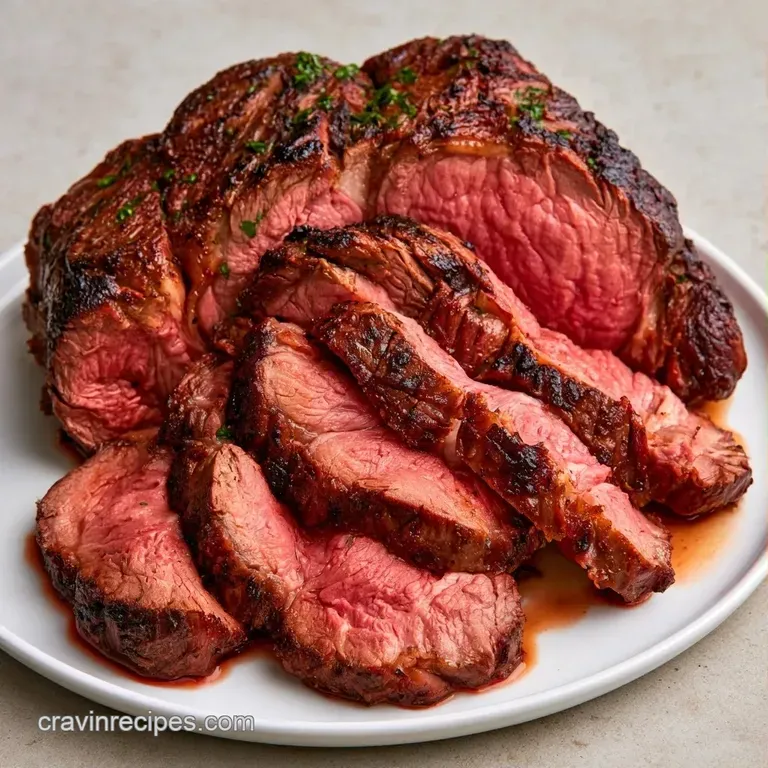
Phase 1: The Dry Brine
- Use paper towels to pat the beef dry. Note: This helps the salt adhere and ensures the meat sears instead of steaming.
- Combine kosher salt, coarse black pepper, and garlic powder, then rub the mixture firmly into all sides of the roast.
- Leave the roast at room temperature for 45 to 60 minutes. Note: Tempering prevents a cold center and promotes more even cooking.
Phase 2: The Low and Slow Roast
- Preheat your oven to 250°F (121°C).
- Set the roast on a cooling rack inside a baking tray.
- Roast until the internal temperature hits 125°F (52°C), which generally takes 90 minutes to 2 hours.
- Take the roast out and cover loosely with foil for 15 to 20 minutes. Note: Resting allows the juices to redistribute so they don't spill across the cutting board.
Phase 3: The High Heat Finish
- Heat avocado oil in a cast iron skillet over high heat until the oil shimmers.
- Sear each side of the roast for approximately 2-3 minutes.
- Toss in butter, thyme, rosemary, and crushed garlic. Baste the meat with the frothy butter to develop a rich mahogany crust.
Fixing Common Issues
Meat Too Tough
If the meat feels chewy, it usually means it was overcooked. Once you pass 145°F, the muscle fibers tighten up. Always use a thermometer and pull the meat at 125°F before the sear. Also, make sure you slice against the grain.
No Crust Formed
A pale roast happens when there is too much moisture on the surface or the pan wasn't hot enough. The oil should almost be smoking before the meat hits the pan. For a more forgiving, fall apart texture, try a slow cooker chuck roast.
Gray Outer Ring
A thick gray band around the edges means the oven was too hot. The reverse sear is meant to keep the edges the same color as the center. Stick to 250°F to keep that edge to edge pink.
Storage and Freezing
Refrigeration
Store leftover beef in a sealed glass bowl. It stays good for 3 days. To keep it from drying out, slice it just before you plan to eat it.
Freezing
You can freeze the cooked roast for up to 2 months. Wrap it tightly in foil and then put it in a freezer bag to prevent freezer burn.
Zero Waste Tips
Don't toss the pan drippings. Pour those buttery, garlicky juices over mashed potatoes or use them to sauté some spinach. If you have bone in scraps, throw them in a pot with water and veg for a quick beef stock.
Variations and Swaps
2 Flavor Twists
If you want a more pungent crust, add 1 tsp of smoked paprika to the rub. For a bit of a kick, use a coarse grind of black pepper and a pinch of cayenne. If you're in a rush, my Dutch oven chuck steak is a faster alternative.
2 Diet Swaps
For a dairy-free version, replace the butter with ghee or more avocado oil. While you lose some of that creamy flavor, you still get a great sear. If you need a low sodium version, use a salt free garlic and herb seasoning blend.
| Goal | What to change |
|---|---|
| More Char | Increase sear time by 1 min per side |
| Leaner Meat | Trim the external fat cap before roasting |
| Rare Center | Pull from oven at 115°F (46°C) |
Right then, just a quick tip on the meat choice. Always look for "Choice" or "Prime" grades for this recipe. Select grade often lacks the fat needed to make the Chuck Eye Steak Roast truly shine.
Best Side Pairings
The Steakhouse Classic
This pairs wonderfully with a generous side of garlic mashed potatoes and honey glazed carrots. The natural sweetness of the carrots provides a great contrast to the rich beef.
The Modern Bistro
For a fresher alternative, try a lemon dressed arugula salad topped with shaved parmesan. The peppery greens and bright acidity help balance the richness of the steak.
A Final Word on Myths
Contrary to popular belief, searing meat does not "seal in juices." Moisture is lost throughout the entire cooking process regardless of the sear; the crust is developed purely for flavor and texture.
Similarly, applying salt early doesn't "draw out" moisture; it actually assists the meat in retaining juices by breaking down specific proteins.
Believe me, once you experience a reverse sear with a Chuck Eye Steak Roast, you will realize it is the superior method. This simple yet impressive dish makes anyone feel like a professional chef. Let's dive in and get cooking!
Recipe FAQs
Is it true that chuck eye steak is identical to a standard chuck roast?
Actually, no. While both come from the shoulder, the eye is significantly more tender and resembles a ribeye.
What is the best method for cooking a chuck eye roast?
Use a reverse sear. Roast slowly at 250°F until the internal temperature hits 125°F, then finish in a hot skillet with butter and aromatics.
How do I ensure my chuck eye roast stays tender?
Temper the meat at room temperature for 45 to 60 minutes. This allows the roast to cook evenly and prevents a gray band of overcooked meat.
What is a chuck eye roast best used for?
Upscale dinner meals on a budget. It offers the richness of a prime rib and pairs perfectly with a creamy sauce.
Does a slow cooker provide the best results for this cut?
False. A low-temperature oven roast followed by a high heat sear creates a superior mahogany crust and a precise medium rare center.
Chuck Eye Steak Roast