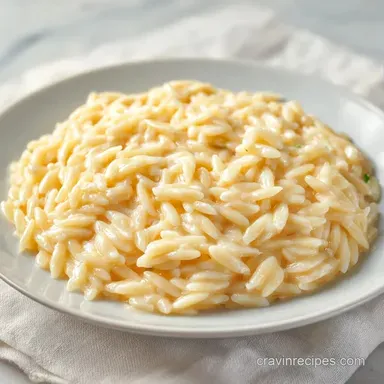
Creamy Parmesan Orzo Pasta: One-Pot Comfort
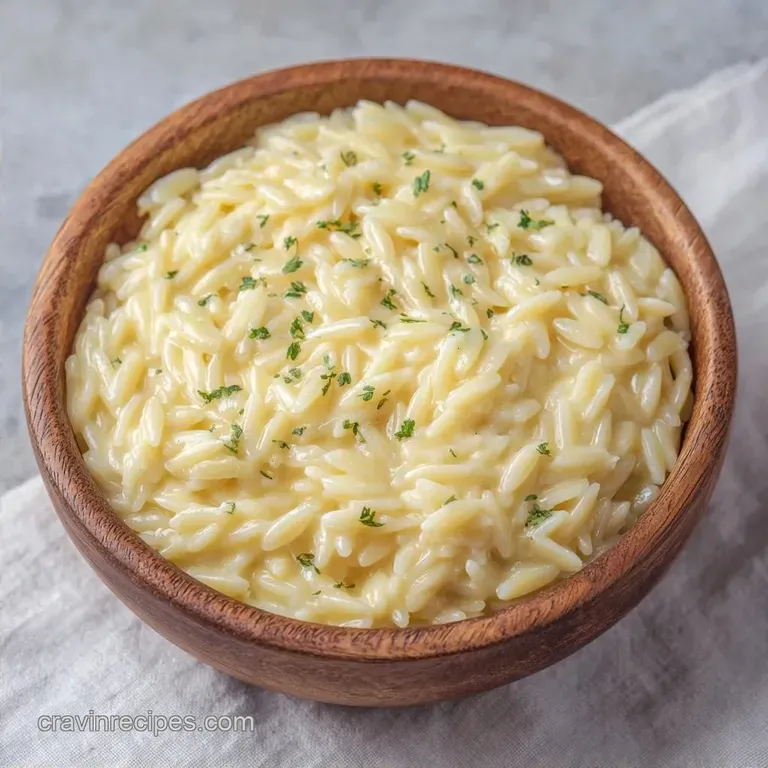
- Time: 5 min active + 15 min cook
- Flavor/Texture Hook: Glossy, cheesy, and hearty
- Perfect for: Weeknight dinners or a simple side
The smell of foaming butter and toasted garlic always takes me back to the small coastal towns in Greece and Italy. In those kitchens, orzo isn't just a pasta shape; it's treated almost like rice. They use it to bulk up stews or make quick, comforting sides that feel like a warm hug in a bowl.
It's that specific Mediterranean approach keeping things simple but using a few high-quality fats that makes this dish feel authentic.
I used to treat orzo like regular macaroni, boiling it in a huge pot of water and draining it. But that's where the magic disappears. When you drain the water, you throw away the starch that actually makes the sauce cling to the pasta.
This version keeps everything in one pan, allowing the grains to soak up the broth and create their own creaminess.
You can expect a dish that's thick and comforting, but not heavy. It's the kind of meal that works just as well for a Tuesday night as it does for a Sunday dinner. By the time you stir in the Parmesan, you've got a Creamy Parmesan Orzo Pasta that feels like it took way more effort than it actually did.
Why Other Recipes Fail
Most people treat orzo like a standard pasta, which is a mistake. They boil it in salted water, drain it, and then try to stir in cream and cheese. This leaves the pasta tasting "separate" from the sauce.
The liquid just slides off the grains instead of binding to them, often resulting in a soupy mess or a clumpy pile of noodles.
The real trick is the absorption method. By simmering the orzo directly in the broth, the starch stays in the pan. This starch acts as a natural thickener. When you finally add the cream and cheese, the sauce emulsifies instantly. It creates a bond between the fat in the butter and the moisture in the broth.
Another common slip up is adding the cheese while the pan is still on high heat. Parmesan is a hard cheese with a high protein content. If it hits boiling liquid, the proteins tighten up and separate from the fat. This causes the sauce to "grain" or look curdled.
Keeping the heat low during the final stir ensures the cheese melts smoothly.
The Starch Factor: Simmering in broth releases amylopectin, which thickens the liquid naturally. Temperature Control: Low heat during the cheese phase prevents the proteins from clumping.
| Method | Time | Texture | Best For |
|---|---|---|---|
| Stovetop | 20 mins | Glossy & Thick | Quick weeknight meals |
| Oven Bake | 35 mins | Crusty Top | Large crowds / Casseroles |
What Each Ingredient Does
Using a few smart ingredients helps keep the cost down while keeping the flavor high. You don't need expensive additives when the basics are handled right.
| Ingredient | What It Does | Best Swap |
|---|---|---|
| Orzo Pasta | Provides the hearty base | Arborio rice (needs more liquid) |
| Chicken Broth | Adds depth and salt | Vegetable broth or water + bouillon |
| Parmesan | Adds salt and thickness | Pecorino Romano (saltier) |
| Heavy Cream | Creates the rich finish | Half and half or whole milk |
The Ingredient List
Stick to these amounts to keep the liquid to pasta ratio correct. Too much broth and you have soup; too little and the orzo stays crunchy.
- 1.5 cups (300g) uncooked orzo pasta Why this? Rice shaped pasta that releases great starch.
- 2 tbsp (28g) unsalted butter Why this? Toasts the grains for a nuttier flavor.
- 3 cloves (15g) garlic, minced Why this? Adds a sharp, aromatic base.
- 3 cups (710ml) chicken or vegetable broth, low sodium Why this? Infuses the pasta with flavor from the inside.
- 0.5 cup (120ml) heavy cream Why this? Smooths out the saltiness of the cheese.
- 0.75 cup (75g) freshly grated Parmesan cheese Why this? Better melt than pre shredded bags.
- 0.25 tsp (1.5g) salt
- 0.25 tsp (1g) cracked black pepper
- 2 tbsp (8g) fresh parsley, chopped
For the broth, I recommend a low sodium version. Since Parmesan is naturally salty, using a standard broth can make the final Creamy Parmesan Orzo Pasta taste like a salt lick. According to USDA FoodData, Parmesan varies in sodium, so tasting at the end is always better than over salting at the start.
Tools for the Job
You don't need a fancy kitchen for this. A standard setup works fine, but the pan choice matters.
- Wide Skillet: A 12 inch skillet is better than a pot. The wider surface area lets the liquid evaporate evenly, so the orzo cooks at the same rate.
- Wooden Spoon: Perfect for stirring without scratching your pan and for scraping up those toasted bits of garlic.
- Microplane or Grater: Please, don't use the canned powdered cheese. It contains cellulose to prevent clumping, which stops it from melting into a smooth sauce.
Making the Pasta
Follow these steps carefully. The timing is tight, so have your cheese grated and your broth measured before you turn on the heat.
- Melt the butter in the skillet over medium heat. Once the butter begins to foam, add the minced garlic and sauté for 1–2 minutes until fragrant but not brown. Note: Burnt garlic tastes bitter.
- Stir in the dry orzo pasta, tossing it in the garlic butter for 1 minute until the grains look slightly toasted.
- Pour in the broth and stir once. Bring the liquid to a gentle boil, then reduce heat to low medium.
- Simmer uncovered, stirring occasionally to prevent sticking, for 10–12 minutes until the liquid is mostly absorbed and the pasta is tender.
- Lower the heat to the lowest setting. Stir in the heavy cream and Parmesan cheese.
- Continue stirring for 1–2 minutes until the cheese is fully melted and the sauce is glossy.
- Remove from heat immediately.
- Fold in the salt, pepper, and fresh parsley.
Chef Note: If the pasta looks a bit too thick after step 6, splash in an extra tablespoon of broth or water. It should move like lava, not a brick.
Better Cooking Tips
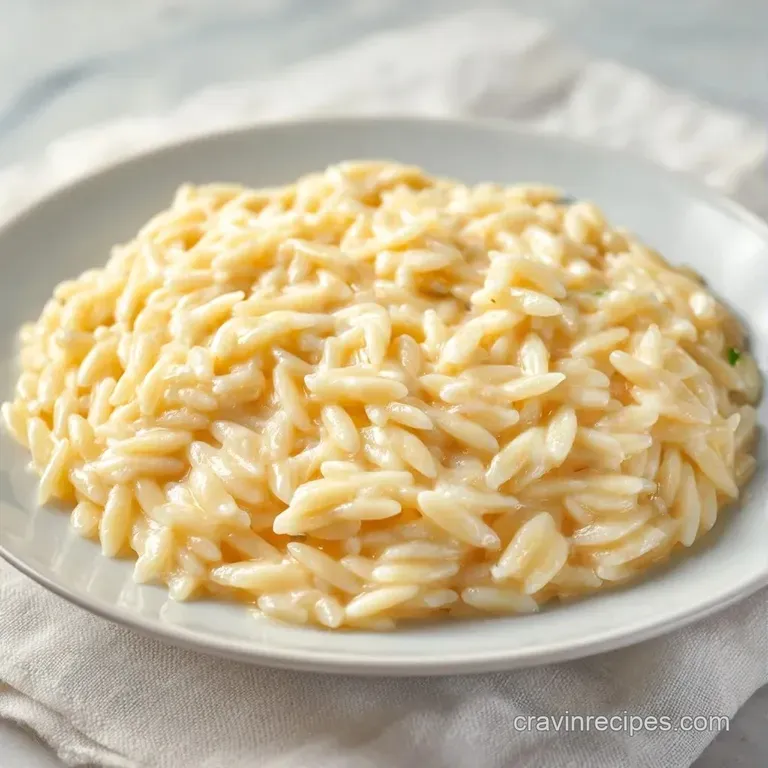
The difference between a good dish and a great one is often in the tiny details. I've learned these the hard way.
Control the Toasting Don't rush the toasting phase. When you fry the dry orzo in butter, you're creating a barrier on the outside of the grain. This prevents the pasta from becoming mushy and gives the Creamy Parmesan Orzo Pasta a deeper, more complex flavor.
It should smell like toasted nuts before the broth hits the pan.
The Cheese Temperature Keep your Parmesan at room temperature if possible. If you throw ice cold cheese into the pan, it can drop the temperature of the sauce too quickly, which might lead to uneven melting. Also, stir constantly.
This keeps the sauce silky and prevents the cheese from sticking to the bottom of the skillet.
Precision Checkpoints
- Garlic: 2 minutes maximum in butter.
- Simmer: 10-12 minutes until broth is 90% gone.
- Cheese: 2 minutes of stirring on the lowest heat.
Variations and Swaps
This recipe is a great base. Once you have the hang of the absorption method, you can change the flavors to match what's in your fridge.
If you want to turn this into a Creamy Parmesan Spinach Orzo, stir in two handfuls of baby spinach right after you add the cream. The residual heat will wilt the spinach in about 30 seconds.
For a Creamy Parmesan Chicken Orzo, sear bite sized chicken breast pieces in the butter first, remove them, make the pasta, and fold the chicken back in at the end.
If you're looking for something a bit brighter, try a Creamy Lemon Parmesan Orzo. Just add the zest of one lemon and a squeeze of fresh juice during the final stir. For those who prefer a simpler version, my garlic orzo recipe is a great alternative that skips the cream for a lighter finish.
| Original Ingredient | Substitute | Why It Works |
|---|---|---|
| Heavy Cream (0.5 cup) | Whole Milk (0.5 cup) | Still provides creaminess. Note: Sauce will be thinner. |
| Chicken Broth (3 cups) | Vegetable Broth (3 cups) | Same salt/liquid profile. Note: Makes it vegetarian. |
| Parmesan (0.75 cup) | Pecorino Romano (0.5 cup) | Similar hard cheese profile. Note: Much saltier flavor. |
Storing Your Orzo
Pasta with cream and starch tends to tighten up as it cools. This is normal. When you put Creamy Parmesan Orzo Pasta in the fridge, the orzo continues to absorb moisture from the sauce.
Fridge and Freezer Store leftovers in an airtight container for 3 4 days. I don't recommend freezing this dish. The cream and cheese often separate during the freezing and thawing process, leaving you with a grainy texture that isn't pleasant.
Reheating for Success When you reheat, the pasta will likely look like a thick block. Do not just microwave it on high. Add a splash of milk or broth to the bowl first, then heat in 30 second intervals, stirring in between. This re emulsifies the sauce. It's similar to how you'd handle a potato soup recipe to bring back that smooth consistency.
Orzo Pasta Myths
Myth: You should rinse orzo after cooking. Never rinse your orzo. Rinsing washes away the surface starch that we spent 12 minutes building up. If you rinse it, your sauce will never stick to the pasta and you'll lose all that creaminess.
Myth: You need a roux for a thick pasta sauce. A roux (butter and flour) is great for gravies, but for orzo, it's overkill. The natural starches released during the absorption simmer do the heavy lifting for you. Adding flour can actually make the dish taste "pasty" rather than rich.
Serving and Pairing
Because this dish is so rich, you need something acidic or crisp to balance the plate.
The Best Sides I love serving this alongside roasted asparagus or a sharp arugula salad with a lemon vinaigrette. The bitterness of the greens cuts through the fat of the Parmesan and cream.
If you want to make it a full meal, a piece of grilled salmon or a lemon garlic chicken breast sits perfectly on top of a mound of this pasta.
Main vs Side To serve it as a side, keep the portions small about a half cup per person. To turn it into a main course, stir in some sautéed shrimp or peas and top it with extra cracked black pepper and a sprinkle of fresh parsley.
Troubleshooting
Troubleshooting Common Issues
| Issue | Solution |
|---|---|
| Why Your Orzo Is Too Dry | If the pasta has absorbed all the liquid but is still firm, you probably had your heat too high. The liquid evaporated before the pasta could cook through. |
| Why Your Sauce Is Graining | This usually happens because the heat was too high when the cheese went in. The proteins in the Parmesan clumped together. |
| Why Your Orzo Is Mushy | Overstirring or simmering for too long can break down the grains. If this happens, stop cooking immediately and add your cheese. The thickness of the cheese will help mask the softness. |
Recipe FAQs
What is the best broth to use with parmesan orzo?
Low-sodium chicken or vegetable broth. These provide the necessary savory depth without overpowering the flavor of the Parmesan cheese.
What are common mistakes when cooking orzo?
Overcooking the pasta and forgetting to stir. Neglecting to stir occasionally during the simmer causes the starches to clump and stick to the bottom of the pan.
How to achieve a glossy, thick sauce?
Stir in the heavy cream and Parmesan on the lowest heat setting. Continue stirring for 1 2 minutes until the cheese is fully melted and the sauce is smooth.
What is a good substitute for orzo?
Small pasta shapes with a similar size. If you enjoy this creamy profile, you can apply the same flavor layering used in our savory sauce.
Can you make orzo without butter?
No, the butter is essential. It is used to toast the orzo grains, which adds depth and prevents the pasta from clumping.
Is it true that orzo is a type of rice?
No, this is a common misconception. Orzo is actually a small pasta made from wheat, though it is shaped like a grain of rice.
How to reheat the pasta so it isn't a block?
Add a splash of broth before reheating. This loosens the starches that tightened in the fridge and restores the creamy consistency.
Creamy Parmesan Orzo Pasta