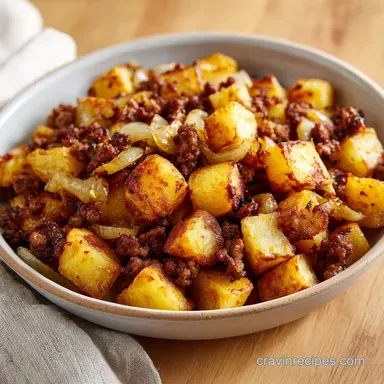
High Protein Ground Beef with Potatoes Skillet
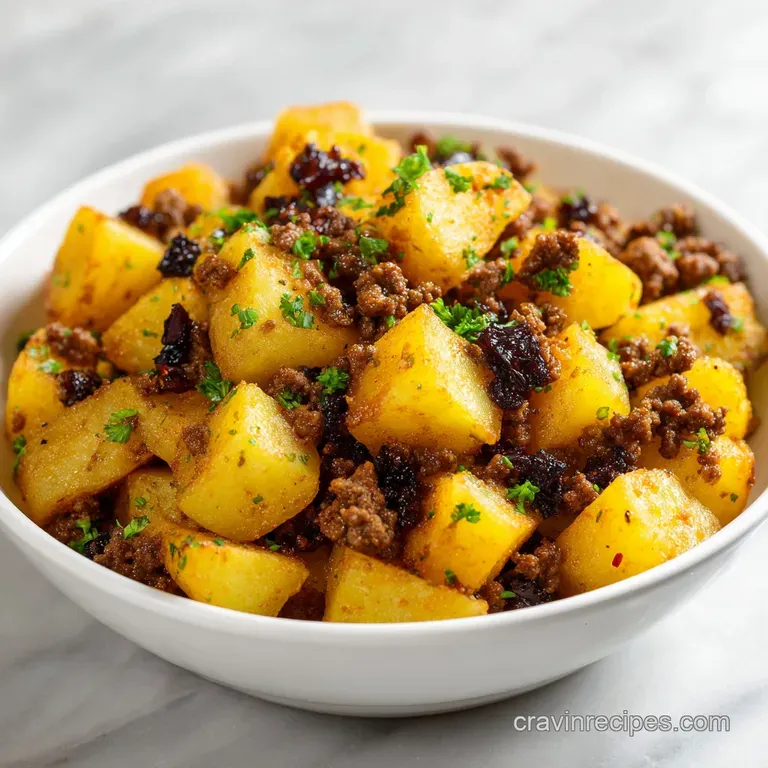
- Time:15 minutes active + 35 minutes cooking = Total 50 minutes
- Flavor/Texture Hook: Mahogany colored crispy potatoes and velvety beef glaze
- Perfect for: Budget-friendly weeknight dinners and high protein meal prep
- High Protein Ground Beef with Potatoes Skillet Recipe
- Why the Sear Matters
- Component Analysis
- Picking Your Ingredients
- Essential Kitchen Gear
- Step by Step Cooking
- Fixing Common Mistakes
- Troubleshooting Common Issues
- Adjusting the Portion Size
- Kitchen Lore and Truths
- Storage and Waste Tips
- Best Side Dish Matches
- Recipe FAQs
- 📝 Recipe Card
High Protein Ground Beef with Potatoes Skillet Recipe
That first sound is what gets me every time - the loud, aggressive sizzle of diced potatoes hitting shimmering olive oil. It's a sound that means comfort. For me, this dish feels like a nod to those old school country kitchens in the Midwest, where the goal wasn't a fancy presentation, but a meal that could fuel a whole day of hard work.
It's the kind of food that tastes like home, even if you've never lived on a farm.
This High Protein Ground Beef with Potatoes Skillet Recipe is the perfect healthy meal for a busy weeknight. I used to make the mistake of tossing everything in the pan at once, which just resulted in a gray, steamed mess of beef and soggy spuds.
But once I learned to treat the potatoes and the meat as two separate events, everything changed. Now, we get that beautiful contrast between the crunch of the potato and the tenderness of the beef.
You can expect a meal that is incredibly filling but doesn't leave you feeling weighed down. We're using lean beef and nutrient dense potatoes to keep the protein high and the heavy fats low. It's straightforward, honest cooking that doesn't require a dozen pans or a culinary degree.
Let's get into how we actually make this happen without the stress.
Why the Sear Matters
When you're making a skillet meal, the biggest enemy is moisture. If the pan is too crowded or the heat is too low, the ingredients release water and boil instead of browning. To get this right, we focus on a few simple mechanics.
- Surface Area: Dicing potatoes into small, uniform half inch cubes increases the area that touches the hot oil, creating more of those crispy, mahogany edges.
- The Fond: By browning the beef undisturbed, we create "fond" (those brown bits stuck to the pan). This is concentrated flavor that we later dissolve back into the dish using beef broth.
- Starch Control: Cooking potatoes first removes excess surface starch, which prevents them from clumping together into a mash when the meat is added.
- Protein Stability: Using lean beef ensures we aren't swimming in grease, which allows the spices to stick to the meat rather than floating in oil. For more tips on seasoning, you might like this basic spice blend recipe to customize your flavors.
| Method | Time | Texture | Best For |
|---|---|---|---|
| Fresh Sear | 50 mins | Crispy edges, fluffy center | Maximum flavor and texture |
| Frozen Shortcut | 30 mins | Softer, more uniform | Ultra fast weeknights |
| Slow Cooker | 6 hours | Tender, stew like | Set it and forget it |
Component Analysis
Understanding why we pick certain ingredients helps you make better swaps when the pantry is looking empty. Not all potatoes or beef are created equal, especially when you're aiming for a specific texture.
| Ingredient | Science Role | Pro Secret |
|---|---|---|
| Yukon Gold | Medium starch | Holds shape better than Russets; naturally buttery |
| 90% Lean Beef | Protein base | Less rendering means you don't have to drain the pan |
| Beef Broth | Deglazing agent | Lifts the browned bits to create a velvety sauce |
| Smoked Paprika | Flavor depth | Adds a "grilled" aroma without using an actual grill |
Picking Your Ingredients
When you're heading to the store, don't just grab the first bag of spuds you see. For this recipe, Yukon Golds are the gold standard because they have a waxy starchy hybrid texture. According to USDA FoodData, potatoes provide essential potassium and complex carbs, which, when paired with lean beef, creates a complete satiety profile.
The Shopping List:
- 2 lbs Yukon Gold potatoes, diced into ½-inch cubes Why this? Best balance of creaminess and structure (Substitute: Red potatoes)
- 2 tbsp olive oil Why this? High smoke point for searing (Substitute: Avocado oil)
- 1 tsp salt Why this? Basic flavor enhancer (Substitute: Sea salt)
- ½ tsp black pepper Why this? Adds a subtle heat (Substitute: White pepper)
- 1.5 lbs 90% lean ground beef Why this? High protein, low grease (Substitute: Ground turkey)
- 1 medium yellow onion, finely diced Why this? Classic aromatic base (Substitute: White onion)
- 4 cloves garlic, minced Why this? Pungent depth (Substitute: Garlic powder, 1 tsp)
- 1 tsp smoked paprika Why this? Woody, smoky notes (Substitute: Sweet paprika)
- 1 tsp dried oregano Why this? Earthy herb profile (Substitute: Dried basil)
- ½ tsp onion powder Why this? Consistent savory base (Substitute: Garlic powder)
- ½ cup beef broth (low sodium) Why this? Deglazing and moisture (Substitute: Water + 1 tsp bouillon)
- 2 tbsp fresh parsley, chopped Why this? Freshness and color (Substitute: Dried parsley)
- ¼ cup grated Parmesan cheese Why this? Salty, umami finish (Substitute: Pecorino Romano)
| Original Ingredient | Substitute | Why It Works |
|---|---|---|
| Yukon Gold Potatoes | Red Potatoes | Similar waxy texture. Note: Skin is thinner, keep it on |
| 90% Lean Beef | Ground Turkey | Lean protein source. Note: Needs extra salt for depth |
| Beef Broth | Chicken Broth | Similar liquid properties. Note: Lighter, less beefy taste |
| Parmesan Cheese | Sharp Cheddar | Adds richness and salt. Note: Melts more than Parmesan |
Essential Kitchen Gear
You don't need a fancy kitchen to nail this, but the pan you choose makes a huge difference. I always reach for a large cast iron skillet or a heavy bottomed stainless steel pan. Why? Because they hold heat.
When you drop 2 lbs of cold potatoes into a thin non stick pan, the temperature plummets, and your potatoes start to steam instead of sear.
A good spatula is also non negotiable. You want something sturdy enough to scrape the bottom of the pan (the deglazing part) but not so sharp that it scratches your cookware. If you're using stainless steel, a fish turner or a silicone edged spatula works wonders.
Finally, have a medium bowl ready for the potatoes. Since we remove them from the pan before adding the beef, you need a place to keep them warm and out of the way. Trust me, don't try to push them to the side of the pan - they'll just get overcooked and mushy while the beef browns.
Step by step Cooking
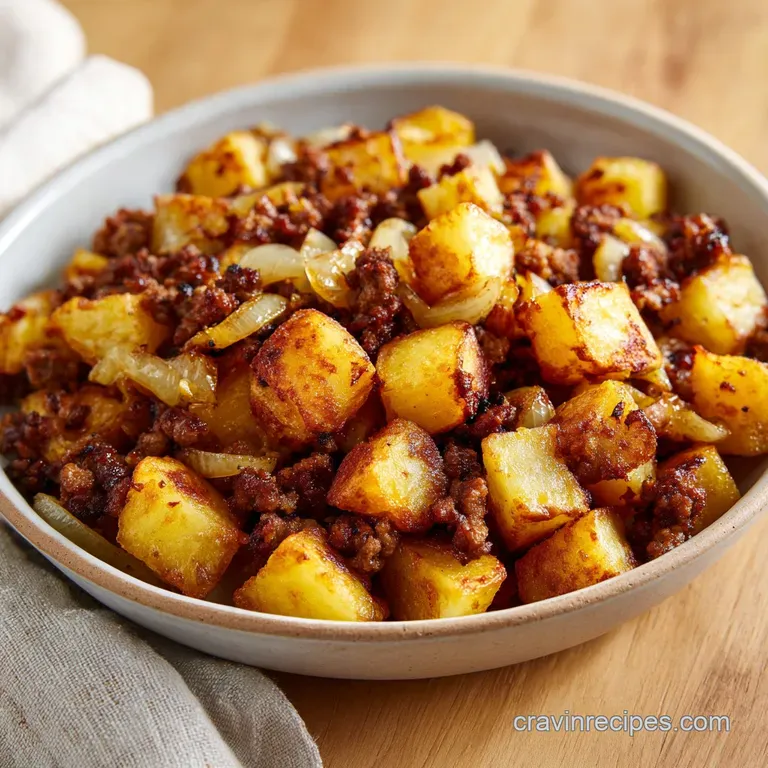
Now, let's get into the flow. The key here is patience during the sear. Don't rush the potatoes, and don't poke the beef too early.
Phase 1: Achieving the Golden Crunch
- Heat the olive oil over medium high heat until shimmering. Note: Shimmering oil means it's hot enough to prevent sticking.
- Add the diced potatoes in a single layer and season with salt and pepper.
- Cook for 8–10 minutes, stirring occasionally, until the edges are mahogany colored and the centers are fork tender.
- Remove potatoes from the pan and set them aside in a bowl.
Phase 2: The Protein Sear
- In the same skillet, add the ground beef. Spread it evenly and leave it undisturbed for 3-4 minutes until a dark brown crust forms. Note: This is where the flavor lives!
- Break the meat apart with a spatula and stir in the diced onion.
- Cook for another 4-5 minutes until the onions are translucent and the beef is fully browned.
- Stir in the minced garlic, smoked paprika, dried oregano, and onion powder; cook for 1 minute until fragrant.
Phase 3: The Final Integration
- Return the seared potatoes to the skillet.
- Pour in the beef broth to deglaze the pan, scraping up all the browned bits from the bottom.
- Stir gently for 2-3 minutes until the liquid has reduced into a light glaze.
- Remove from heat and garnish with fresh parsley and grated Parmesan cheese.
Chef's Note: For an even deeper flavor, try adding a teaspoon of Worcestershire sauce or a splash of soy sauce along with the beef broth. It adds a hidden layer of umami that makes people ask, "What is in this?"
Fixing Common Mistakes
Even seasoned cooks hit a snag. With a High Protein Ground Beef with Potatoes Skillet Recipe, the most common issues usually come down to temperature management or pan crowding. If you see your beef releasing a pool of gray liquid, you've likely crowded the pan or used heat that was too low.
Troubleshooting Common Issues
| Issue | Solution |
|---|---|
| Why Your Potatoes Are Mushy | This usually happens if the potatoes are diced unevenly or if you didn't let them sear long enough before adding the liquid. If they are too small, they overcook; if you don't sear them, they don't de |
| Why the Beef Looks Gray | Gray meat is the result of steaming. This happens when there's too much moisture in the pan or the heat isn't high enough to trigger the browning process. Always leave the meat alone for those first f |
| Why the Dish Lacks Flavor | If it tastes "flat," you're probably missing salt or acid. Salt brings out the beefiness, while the Parmesan provides the necessary salt and tang. If it's still missing something, a squeeze of fresh l |
Common Mistakes Checklist:
- ✓ Did you wait for the oil to shimmer before adding potatoes?
- ✓ Are the potato cubes uniform in size (½-inch)?
- ✓ Did you leave the beef undisturbed for 3-4 minutes?
- ✓ Did you scrape the brown bits (fond) off the bottom of the pan?
- ✓ Did you remove the potatoes before browning the meat?
Adjusting the Portion Size
Scaling a skillet recipe isn't as simple as doubling the ingredients. Because the "sear" depends on surface area, doubling the amount of food in the same pan often leads to steaming.
Scaling Down (½ Batch): Use a smaller 10 inch skillet. You can reduce the cooking time for the potatoes by about 20% since there's less moisture being released into the pan. Be careful with the garlic; use 2 cloves instead of 4 to ensure it doesn't overpower the smaller amount of meat.
Scaling Up (2x Batch): Do NOT try to cook 3 lbs of beef and 4 lbs of potatoes in one skillet unless you have a massive commercial pan. Work in batches. Sear the potatoes in two turns, then brown the beef in two turns.
When it comes to the seasonings, only increase the salt and spices to 1.5x instead of 2x. You can always add more at the end, but you can't take it out. Reduce the total beef broth by 10% to avoid making the dish too soupy.
| Goal | Action | Result |
|---|---|---|
| More Crunch | Reduce broth by half | Drier, crispier potatoes |
| More Sauce | Add extra ½ cup broth | Velvety, stew like consistency |
| Lower Carb | Swap potatoes for cauliflower | Lighter meal, less satiety |
Kitchen Lore and Truths
There are a few things people always say about ground beef and potatoes that aren't actually true. Let's set the record straight so you don't waste time on useless techniques.
Myth: Searing the beef "seals in the juices." This is a classic kitchen myth. Searing doesn't create a waterproof seal; in fact, meat loses more moisture during a over high heat sear than it would during a gentle poach.
However, we still do it because the browning creates a complex, savory flavor that you simply can't get any other way.
Myth: You must peel Yukon Gold potatoes. Honestly, don't bother. The skins on Yukon Golds are thin and packed with nutrients. Plus, they add a rustic look and a bit of extra texture to the skillet. Just give them a good scrub under cold water.
Myth: Lean beef doesn't have enough flavor. Some people think you need 80/20 beef for taste. While fat does carry flavor, 90% lean beef provides a cleaner protein hit and prevents the High Protein Ground Beef with Potatoes Skillet Recipe from becoming an oily mess.
We add the flavor back in through the smoked paprika and the beef broth glaze.
Storage and Waste Tips
One of the best things about this recipe is how well it holds up. It's a powerhouse for meal prep.
Fridge Storage: Place leftovers in an airtight container. It will stay fresh in the fridge for 3-4 days. The potatoes may soften slightly as they absorb moisture from the beef, but the flavor actually deepens overnight.
Freezing Guidelines: You can freeze this dish for up to 3 months. I recommend freezing it in individual portions. When you're ready to eat, thaw it in the fridge overnight. To reheat, use a skillet over medium heat with a tiny splash of water or broth to bring back that velvety glaze.
Avoid the microwave if you want to maintain some of the potato texture.
Zero Waste Tips:
- Potato Peels: If you do decide to peel your potatoes, don't toss the skins. Toss them in olive oil and salt and bake them at 400°F (200°C) for 10 minutes for a crispy snack.
- Onion Ends: Save your onion scraps and garlic ends in a freezer bag. Once the bag is full, simmer them with water and a carrot to make a quick, homemade vegetable stock.
- Leftover Beef: If you have a small amount of leftover beef and potato mix, it makes a killer breakfast hash. Just crack an egg on top and cook until the white is set.
Best Side Dish Matches
Since this is a hearty, protein heavy meal, you want sides that offer a contrast. Something bright, acidic, or fresh will cut through the richness of the beef and Parmesan.
The Fresh Route: A simple arugula salad with a lemon vinaigrette is my top pick. The peppery greens and the citrus acidity balance the earthy potatoes perfectly. If you're feeling fancy, add some shaved radish or cucumber for extra crunch.
The Veggie Route: Steamed broccoli or roasted asparagus works well here. Since you already have the skillet going, you could even toss some snap peas in for the last 3 minutes of cooking. For another beefy option, you might enjoy my Homemade Hamburger Helper Beef Pasta, though that's a bit heavier.
The Comfort Route: If you're feeding a crowd and want to go full "comfort mode," serve this with a dollop of sour cream and chopped chives on top. It turns the dish into something resembling a loaded potato skin, but with all the protein of a main course.
It's a family favorite that always disappears in minutes.
Recipe FAQs
How long can I store the beef and potato skillet in the fridge?
3-4 days in an airtight container. The flavor often deepens overnight, though the potatoes may soften slightly as they absorb moisture from the beef.
Can this dish be frozen for later?
Yes, for up to 3 months. Freeze in individual portions and thaw in the fridge overnight before reheating in a skillet over medium heat.
Why are my potatoes turning out mushy?
Dice potatoes evenly and sear them thoroughly. Mushiness occurs if pieces are too small or if the beef broth is added before the edges are mahogany colored.
Why is the beef gray instead of brown?
The heat was too low or the pan was overcrowded. To prevent steaming, leave the meat undisturbed for 3-4 minutes to create a dark brown crust.
How to deglaze the pan with beef broth?
Pour the broth into the hot skillet. Use a spatula to scrape up the browned bits from the bottom while stirring for 2-3 minutes until a light glaze forms.
Is it true I must use 80/20 beef for the best flavor?
No, this is a common misconception. Using 90% lean ground beef keeps the protein high while the smoked paprika and Parmesan provide the necessary depth of flavor.
Can I make this for meal prep like other high protein meals?
Yes, it is a powerhouse for meal prep. If you like the efficiency of this dish, try our protein packed burritos for another high protein option.
High Protein Beef And Potatoes