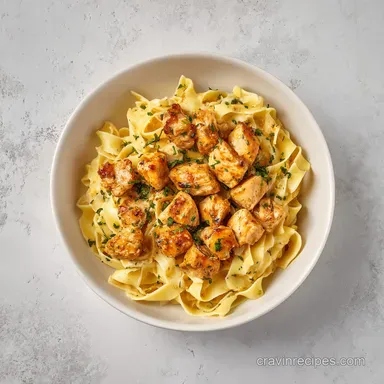
High Protein Garlic Parmesan Pasta Bowls: Creamy
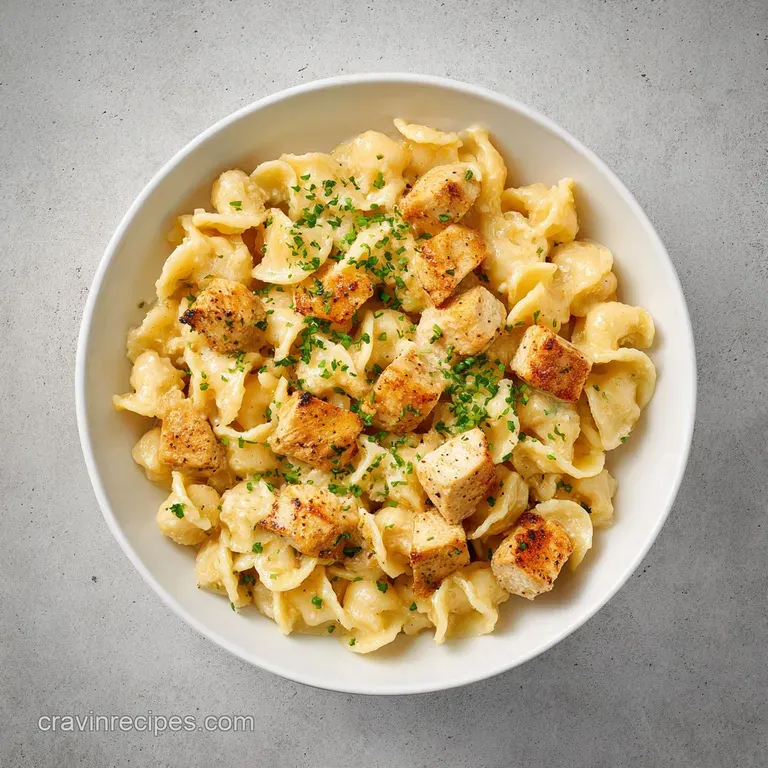
- Time:10 minutes active + 15 minutes cooking = Total 25 minutes
- Flavor/Texture Hook: Velvety, tangy sauce with a golden brown chicken sizzle
- Perfect for: High protein meal prep or a fast Tuesday night dinner
- High Protein Garlic Parmesan Pasta Bowls
- The Secret To This Sauce
- Component Analysis
- What You'll Need
- Gear For The Job
- The Step-by-Step Flow
- Fixing Common Glitches
- Switching Up The Flavors
- Adjusting the Batch Size
- Truths About Protein Pasta
- Storing And Using Leftovers
- Best Side Dish Pairings
- High in Sodium
- Recipe FAQs
- 📝 Recipe Card
High Protein Garlic Parmesan Pasta Bowls
That first sizzle of cubed chicken hitting a hot pan is where the magic starts. I remember one specific Tuesday when I was absolutely starving after a leg day at the gym, and the last thing I wanted was a sad salad. I wanted something that felt like a hug in a bowl, but I didn't want to feel sluggish afterward.
I threw together some chickpea pasta and a handful of garlic, and the smell of that garlic softening in olive oil basically woke up my entire house.
It's a fuss free way to get a massive amount of protein without feeling like you're eating a cardboard chicken breast. Most "healthy" pastas end up tasting like wet paper, but the tang from the Greek yogurt and the salty punch of the parmesan change the whole game.
You get that silky, clinging sauce that you usually only find in heavy, cream based Italian dishes, but it's lean and clean.
Trust me on this, the key is all in the timing. You don't want to overcook the protein pasta or it turns into mush, and you definitely don't want to boil the yogurt. If you follow the flow, you'll end up with a dish that's velvety, savory, and genuinely filling. Let's crack on and get these bowls ready.
The Secret To This Sauce
Instead of using a roux or heavy cream, we're using a few clever tricks to get that thick texture. It's all about how the ingredients interact when they hit the heat.
- The Starch Bind: Reserving a bit of the pasta water is non negotiable. The starch in that water acts like a glue, helping the yogurt and parmesan stick to the noodles instead of sliding off to the bottom of the bowl.
- Acidic Balance: The lemon juice doesn't just add a bright pop of flavor, it actually helps break down the thickness of the Greek yogurt so it blends into a smooth sauce.
- Controlled Heat: Keeping the yogurt away from a hard boil prevents it from splitting. According to USDA FoodData, the protein structure in Greek yogurt is dense, and too much heat makes it clump.
- Protein Base: Using chickpea or lentil pasta adds a huge protein boost and a nuttier flavor that stands up well to the strong garlic and cheese.
| Method | Time | Texture | Best For |
|---|---|---|---|
| Fast (This way) | 25 minutes | Velvety & Bright | Weeknights |
| Classic Cream | 45 minutes | Heavy & Rich | Date Nights |
| Slow Simmer | 60 minutes | Deep & Concentrated | Sunday Meal |
Component Analysis
Before we start cooking, it's helpful to understand what each part is doing. This isn't just a list of food, it's a system for a hearty meal.
| Ingredient | Science Role | Pro Secret |
|---|---|---|
| Protein Pasta | Structural Base | Rinse lightly to remove excess starch if too sticky |
| Greek Yogurt | Creamy Bulk | Use full fat or 2% for a silkier mouthfeel |
| Parmesan | Salt & Body | Grate it yourself for a faster melt |
| Lemon Juice | Brightener | Rub the lemon before cutting to get more juice |
What You'll Need
Here is everything you need to get these high protein garlic parmesan pasta bowls on the table. I've kept it simple so you don't have to run to three different stores.
- 12 oz protein pasta (chickpea or lentil) Why this? Adds 15-20g more protein than wheat pasta
- 1 lb chicken breast, cubed into 1 inch pieces Why this? Lean protein that sears quickly
- 1 tbsp olive oil Why this? High smoke point for searing
- 1/2 tsp salt
- 1/2 tsp cracked black pepper
- 4 cloves garlic, minced Why this? Fresh garlic has more punch than powder
- 1/2 cup low sodium chicken broth Why this? Deglazes the pan for deep flavor
- 1/2 cup grated Parmesan cheese Why this? Natural thickener and salty finish
- 1/4 cup plain non fat Greek yogurt Why this? Protein rich alternative to heavy cream
- 1 tbsp fresh lemon juice Why this? Cuts through the richness of the cheese
- 2 tbsp fresh parsley, chopped Why this? Adds a fresh, grassy finish
Ingredient Substitutions
If you're missing something, don't panic. You can swap things out without ruining the vibe of the dish.
| Original Ingredient | Substitute | Why It Works |
|---|---|---|
| Protein Pasta | Whole Wheat Pasta | Similar fiber, but slightly lower protein content |
| Chicken Breast | Shrimp | Cooks even faster. Note: Sear for only 2 mins per side |
| Greek Yogurt | low-fat Sour Cream | Similar tang and thickness. Note: Less protein than yogurt |
| Parmesan | Pecorino Romano | Saltier and sharper. Note: Reduce added salt |
Gear For The Job
You don't need a professional kitchen for this. A couple of basic tools will do the trick.
- Large pot (for the pasta)
- Large skillet or sauté pan (stainless steel or cast iron is best for that sear)
- Colander
- Tongs or a silicone spatula
- Measuring cups and spoons
- Sharp chef's knife
The step-by-step Flow
Right then, let's get into it. I like to follow a specific flow here so the pasta doesn't get cold while the chicken is cooking.
1. Boiling the Base
Bring a large pot of salted water to a boil. Add the protein pasta and cook according to package directions. Note: Protein pastas can go from al dente to mushy very quickly, so start tasting a minute before the timer goes off. Reserve 1/2 cup of the starchy pasta water before draining.
2. Searing the Protein
Heat olive oil in a skillet over medium high heat. Add cubed chicken breast, season with salt and pepper, and sear 6-8 minutes until golden brown and cooked through. Remove chicken and set aside on a plate.
3. Creating the Emulsion
Reduce skillet heat to medium. Sauté minced garlic for 60 seconds until fragrant but not brown. Pour in chicken broth to deglaze the pan, scraping up all those brown bits from the chicken.
4. The Creamy Bind
Stir in the Greek yogurt and lemon juice, whisking until the sauce is smooth and simmering gently. Note: Keep the heat medium low here so the yogurt doesn't curdle.
5. Finishing the Bowl
Return the cooked pasta and seared chicken to the skillet. Stir in Parmesan cheese and half of the reserved pasta water. Toss vigorously over low heat for 1-2 minutes until the sauce thickens into a velvety glaze.
6. The Final Touch
Stir in fresh parsley and serve immediately. If the sauce looks too thick, splash in the rest of that pasta water.
Chef's Note: For a deeper flavor, I sometimes add a pinch of red pepper flakes when sautéing the garlic. It doesn't make it "spicy," but it adds a warmth that complements the parmesan.
Fixing Common Glitches
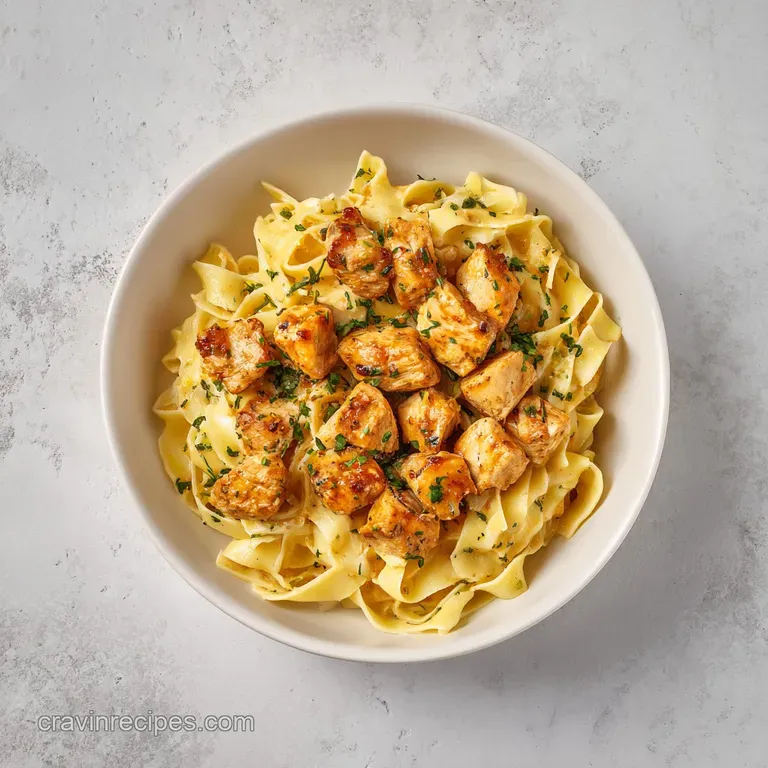
Even the best of us mess up a sauce occasionally. Usually, it's just a matter of temperature or timing.
Why Your Sauce Curdled
If you see little white clumps in your sauce, the yogurt has split. This usually happens if the heat was too high when you added the dairy. You can often fix this by whisking in a tablespoon of warm pasta water or a tiny bit of cornstarch slurry over very low heat.
Stopping Rubbery Chicken
If your chicken feels like a pencil eraser, you've likely overcooked it or crowded the pan. Make sure your cubes are a consistent 1 inch size and give them space to sizzle. If the pan is too full, the chicken steams instead of searing.
Why Your Pasta is Dry
Protein pasta is like a sponge; it absorbs liquid much faster than traditional flour pasta. If your high protein garlic parmesan pasta bowls look dry a few minutes after plating, you just didn't use enough pasta water. Always keep a little extra on the side.
| Problem | Root Cause | Solution |
|---|---|---|
| Clumpy Sauce | Heat too high | Lower heat; whisk in pasta water |
| Bland Flavor | Under salted water | Add a squeeze of lemon or extra Parmesan |
| Mushy Pasta | Overcooked | Reduce boil time by 1-2 minutes |
Common Mistakes Checklist
- ✓ Didn't reserve pasta water before draining
- ✓ Crowded the pan when searing chicken
- ✓ Boiled the yogurt sauce on high heat
- ✓ Forgot to deglaze the pan with broth
- ✓ Used pre shredded cheese with cornstarch coatings
Switching Up The Flavors
Once you've nailed the base, you can start playing with the ingredients. This recipe is very flexible depending on what's in your fridge.
Adding a Veggie Boost
I love throwing in two handfuls of fresh baby spinach right at the end. The heat from the pasta wilts the spinach in about 30 seconds, adding color and nutrients without changing the flavor profile. Broccoli florets also work great, but steam them with the pasta for the last 3 minutes.
The Low Carb Pivot
If you're looking for something even lighter, you can swap the protein pasta for zoodles or spaghetti squash. Just be careful with the liquid; veggies release a lot of water, so you might want to reduce the chicken broth by half. If you're in the mood for something different, you could try a Homemade Hamburger Helper Beef Pasta for a heartier, beef based protein fix.
Adding Heat
For a spicy kick, stir in a teaspoon of Sriracha or some chopped jalapeños during the garlic sauté. The tang of the Greek yogurt balances the heat perfectly, making it feel like a spicy garlic cream sauce.
Adjusting the Batch Size
Whether you're cooking for just yourself or a whole crew, you can scale this. Just remember that heat behaves differently in larger pans.
Scaling Down (1-2 people): Use a smaller skillet to prevent the sauce from evaporating too quickly. Reduce the chicken broth by about 10% since there's less surface area for evaporation.
If you're using an egg as a binder in other recipes, you'd beat it and use half, but here, just scale the yogurt and cheese linearly.
Scaling Up (6-8 people): Don't try to sear 2 lbs of chicken in one go, or you'll end up with grey, steamed meat. Work in two batches. For the sauce, increase the salt and pepper to 1.5x rather than 2x, then taste and adjust at the end.
Liquids can be reduced by 10% because large batches hold heat and moisture better.
| Batch Size | Pan Type | Cooking Tip | Adjustment |
|---|---|---|---|
| Single | 8 inch skillet | Watch liquid levels | -10% broth |
| Family | 12 inch skillet | Sear chicken in batches | 1.5x spices |
| Party | Dutch Oven | Stir frequently | -10% liquids |
Truths About Protein Pasta
There are a lot of claims about "healthy" pasta that aren't always true. Let's set the record straight.
Myth: Protein pasta tastes exactly like wheat pasta. Truth: It doesn't. Chickpea and lentil pastas have a distinct, earthier flavor and a slightly grainier texture. However, a strong sauce like this garlic parmesan one masks those differences almost entirely.
Myth: You can cook protein pasta exactly like regular pasta. Truth: No. Protein pastas often release more foam and starch into the water, and they have a much narrower window between "perfect" and "mush." You have to be more attentive to the timer.
Myth: Adding yogurt makes the dish "diet food." Truth: Greek yogurt provides a rich, velvety texture that mimics cream. It's a functional swap for texture and protein, not just a way to cut calories.
Storing And Using Leftovers
These bowls are great for meal prep, but they do require a little care when reheating to keep that velvety texture.
Fridge Storage: Store in airtight glass containers for up to 4 days. The pasta will continue to absorb the sauce as it sits, so it might look a bit dry when you open the lid.
Freezing: I don't recommend freezing this specific recipe. The Greek yogurt can separate and become grainy when thawed and reheated. If you must freeze it, undercook the pasta by 2-3 minutes so it doesn't turn to mush upon reheating.
Reheating Tips: Don't just throw it in the microwave on high. Add a splash of water or a teaspoon of butter to the bowl first. Heat in 45 second intervals, stirring in between, until it's warmed through. This helps "re emulsify" the sauce.
Zero Waste Ideas: If you have leftover chicken broth or a bit of Greek yogurt, don't toss them. Use the extra yogurt as a base for a dip with cucumber and dill. If you have leftover pasta water, you can actually use it to thicken a soup or add it to a risotto for extra creaminess.
Best Side Dish Pairings
Since these bowls are so hearty, you want sides that provide a contrast. Something crisp, acidic, or light works best to balance the richness of the parmesan.
A simple arugula salad with a lemon vinaigrette is my go to. The peppery greens cut right through the creamy sauce. If you're feeling fancy, some roasted asparagus or sautéed kale would add a great nutritional punch. For a full Italian style spread, you could serve a light appetizer like Chicken Piccata on the side for your guests.
Right then, you've got everything you need to make these high protein garlic parmesan pasta bowls. Just remember to keep an eye on your pasta timer and don't let that yogurt boil, and you're golden. Enjoy the sizzle and the comfort!
High in Sodium
840 mg 840 mg of sodium per serving (37% 37% of daily value)
The American Heart Association recommends a daily limit of 2,300 mg of sodium to maintain optimal heart health.
Tips to Reduce Sodium
-
Swap the Broth-30%
Replace the low-sodium chicken broth with unsalted chicken broth or water to eliminate a major source of hidden salt.
-
Omit Added Salt-25%
Remove the 1/2 tsp of salt entirely; the Parmesan cheese and broth provide enough sodium to season the dish.
-
Reduce Parmesan-15%
Reduce the amount of grated Parmesan cheese by half or substitute with nutritional yeast for a similar savory flavor.
-
Check Pasta Label-10%
Ensure you are using a no-salt added version of protein pasta, as some chickpea pastas contain added sodium.
-
Boost Aromatics
Increase the lemon juice, fresh parsley, and minced garlic to add bright, punchy flavor without adding sodium.
Recipe FAQs
Can I store these pasta bowls for meal prep?
Yes, they stay fresh for up to 4 days. Store them in airtight glass containers in the refrigerator. Be aware that the pasta absorbs more sauce as it sits.
Is it safe to freeze this high protein pasta?
No, freezing is not recommended. The Greek yogurt tends to separate and become grainy once thawed and reheated.
How to fix the pasta if it's too dry when reheating?
Stir in a splash of water or chicken broth. Adding a small amount of liquid while heating restores the velvety glaze.
Can I use regular pasta instead of protein pasta?
Yes, though the total protein count will decrease. If you enjoyed mastering the creamy pan-sauce technique here, see how the same principle works in our creamy garlic chicken.
How to get the sauce to thicken into a glaze?
Toss the pasta and chicken over low heat for 1 2 minutes. Use the reserved starchy pasta water and Parmesan cheese to emulsify the sauce into a thick coating.
Is it true that adding Greek yogurt to hot pasta always causes it to curdle?
No, this is a common misconception. Whisking the yogurt in and simmering gently over medium heat maintains a smooth consistency.
How to prevent the minced garlic from burning in the skillet?
Sauté for exactly 60 seconds. Pour in the chicken broth immediately after to deglaze the pan and stop the garlic from overcooking.
High Protein Garlic Parmesan Pasta