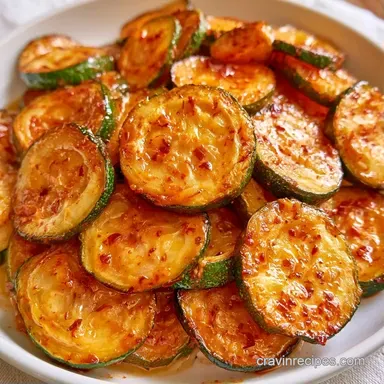
Korean Zucchini Side Dish in 10 Minutes
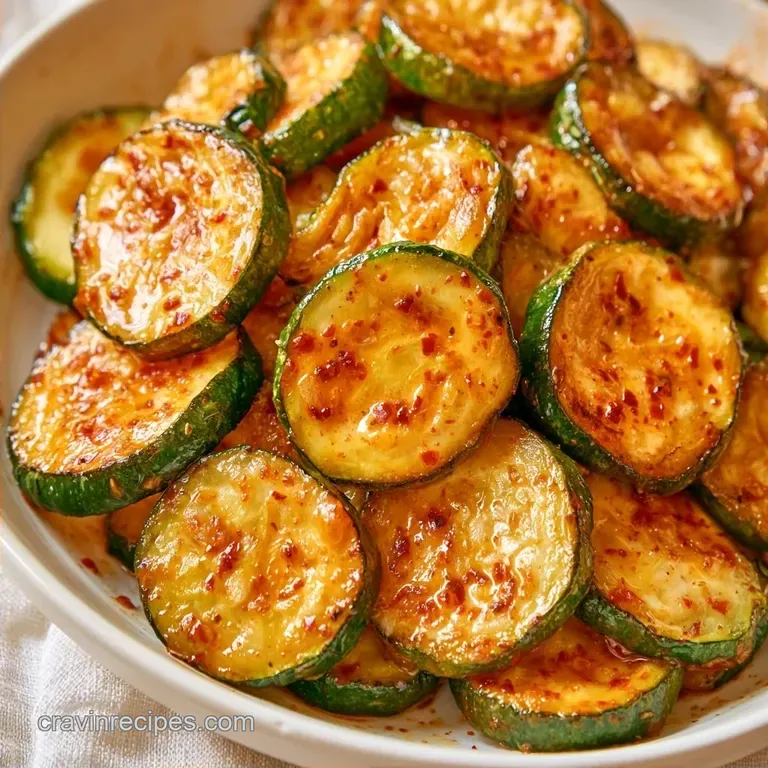
- Time: 5 min active + 5 min cook
- Flavor/Texture Hook: Nutty, spicy, and slightly velvety
- Perfect for: Weeknight dinner or a bibimbap bowl
Traditional Korean dining centers around more than just a primary entree. It involves an array of banchan small accompaniment dishes that introduce salt, spice, and tanginess. Together, these small plates balance the meal, rounding out the rice and main protein.
The beauty of these flavors lies in their simplicity. With the right seasonings, long preparation times are unnecessary. Hobak Bokkeum is a quintessential staple, transforming humble garden vegetables into a bright, flavorful side.
The result is an aromatic dish with a crisp tender bite. By pairing the heat of gochugaru with savory toasted sesame oil, this zucchini side provides a light yet fulfilling complement to any spread.
Quick Korean Zucchini Side Dish
Speed is essential for this step. Overcooking the zucchini leads to excessive water release, resulting in a stew like consistency. You're looking for edges that have just softened while the centers retain some crunch. Now, let's explore the reasoning.
Salting is often overlooked, but it's the critical part of the process. Removing that extra moisture allows the zucchini to sear rather than steam.
Why it Works
Salt Curing: Salt draws water out of the cells, which prevents the zucchini from leaking liquid in the pan.
Residual Heat: Removing the pan from the heat before adding sesame oil keeps the oil from burning and preserves its nutty scent.
| Method | Time | Texture | Best For |
|---|---|---|---|
| Stovetop | 5 mins | Crisp tender | Quick weeknight meals |
| Oven | 15 mins | Soft and roasted | Large batch prep |
Ingredient Deep Dive
Every part of this recipe serves a purpose. If you change the gochugaru, you change the soul of the dish. Trust me on this, the toasted sesame oil is non negotiable.
| Component | Purpose | Substitute Notes |
|---|---|---|
| Korean Zucchini | Main base | Regular zucchini works, but it's more watery |
| Gochugaru | Smoky heat | Paprika + pinch of cayenne (lacks depth) |
| Sesame Oil | Nutty aroma | Toasted walnut oil (similar profile) |
Ingredients and Swaps
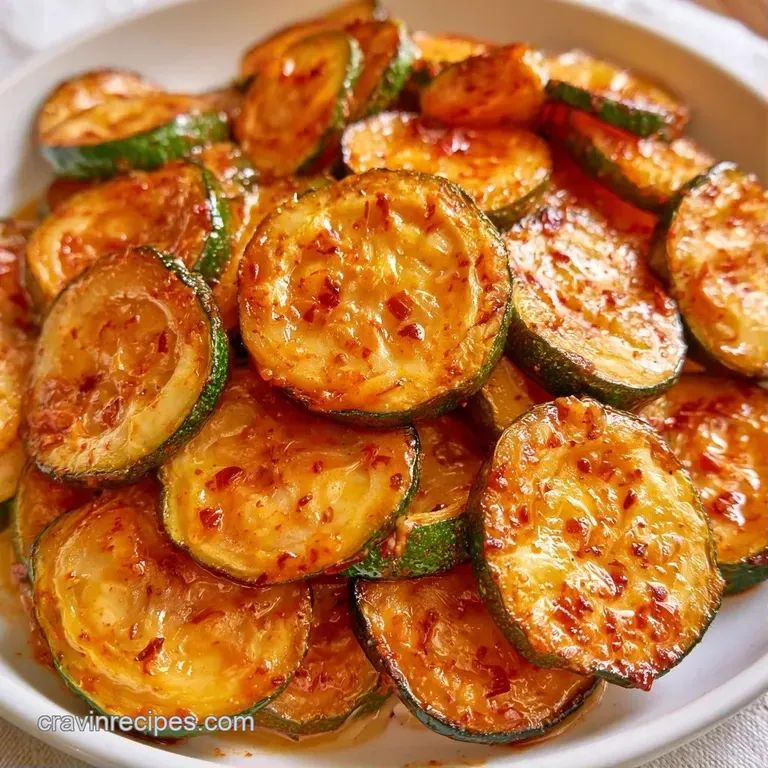
Prepare your ingredients before heating the pan. Things move fast once the oil is hot.
- 1 medium Korean zucchini (280g), halved lengthwise and sliced into 1/4 inch moons Why this? Sweeter and has thinner skin than Italian zucchini
- 1 tsp (5g) fine sea salt Why this? Quickly draws out excess moisture
- 1 tbsp (15ml) neutral vegetable oil Why this? Better for high heat searing
- 2 cloves (6g) garlic, minced Why this? Creates a fundamental flavor foundation
- 1 tsp (2g) granulated sugar Why this? Offsets the heat of the pepper
- 1 tsp (2g) gochugaru Why this? Provides the traditional Korean color and taste
- 1 tbsp (15ml) toasted sesame oil Why this? Adds a characteristic nutty aroma
- 1 tbsp (8g) toasted sesame seeds Why this? Provides a subtle crunch
- 1 stalk (5g) green onion, thinly sliced Why this? Offers a crisp, bright contrast
| Original Ingredient | Substitute | Why It Works |
|---|---|---|
| Korean Zucchini | Italian Zucchini | Comparable flavor. Note: Salt for 10 mins instead of 5 to manage extra water |
| Gochugaru | Red Chili Flakes | Adds heat. Note: Significantly spicier and less smoky |
| Granulated Sugar | Maple Syrup | Adds sweetness. Note: Introduces a slight woody flavor |
Cooking Instructions
Time to start. A wide skillet is best to give the zucchini enough space to brown properly.
- Combine zucchini slices with sea salt in a bowl and let them rest for 5 minutes to release excess water.
- Dry the slices thoroughly using paper towels. Note: This helps achieve a better sear
- Warm some vegetable oil in a pan over medium heat.
- Sauté minced garlic for 30 seconds until it smells fragrant and turns pale gold.
- Toss the zucchini slices into the skillet.
- Stir fry for 2-3 minutes until the centers stay firm but the edges become translucent.
- Quickly stir in the gochugaru and sugar to coat the slices.
- Immediately take the pan off the heat. Note: Gochugaru can burn quickly
- Mix in the sesame seeds, sesame oil, and green onions.
- Allow the remaining heat to wilt the onions for 30 seconds.
Tip: For a richer taste, stir in a small splash of soy sauce during step 7. This provides a salty contrast that balances the sugar.
Troubleshooting the Dish
The biggest hurdle with this Korean Zucchini Side Dish is moisture. Zucchini is basically water in a green shell, so it wants to collapse if you aren't careful.
Fixing Watery Zucchini
This usually happens if you don't pat the slices dry after salting. If the pan fills with liquid, crank the heat to high for 60 seconds to evaporate the excess.
Preventing Burnt Garlic
Garlic turns bitter if it browns too much. Keep it moving in the oil and add the zucchini as soon as you smell the garlic.
Saving Mushy Texture
Overcooking is the enemy here. If the zucchini looks limp, you've gone too far. Next time, pull them off the heat while they still have a slight snap.
| Problem | Fix |
|---|---|
| Too watery | Pat dry better or increase heat |
| Bitter taste | Sauté garlic for less time |
| Limp zucchini | Reduce stir fry time to 2 mins |
Adjusting Serving Sizes
Adjusting the portion size is easy, though you should avoid a strict mathematical multiplication. Excessive salt can leave the vegetables tasting briny, while too much oil leads to a greasy finish.
To make a half batch: Halve the vegetables and salt, but use one whole garlic clove to maintain the flavor.
For double or triple portions: Cook in smaller sets. Filling the pan too much lowers the heat, causing the zucchini to steam rather than sear. I typically stir fry in two separate turns and then combine them in a large bowl.
If you want a more filling option, my vegan stuffed zucchini makes an excellent main dish.
- For firmer zucchini
- Salt for 7 minutes instead of 5.
- For more heat
- Increase gochugaru to 2 tsp.
- For a nuttier finish
- Toast the sesame seeds in a dry pan for 1 minute first.
Storage and Waste
Store this in a glass container and keep it chilled for approximately 3 days. Because it tastes great cold, it's a favorite choice for banchan. When you're ready to reheat, microwave it for 30 seconds or give it a quick toss in a hot skillet. Avoid overcooking it, or it will lose its texture and turn into mush.
Avoid freezing this recipe. The high water content of the zucchini causes it to collapse during thawing, leaving you with a watery consistency.
To minimize waste, save your zucchini ends in a freezer bag for veggie scraps. Once full, boil those scraps with peppercorns and a bay leaf to make a simple vegetable stock. If you have extra zucchini but don't want another stir fry, try these baked zucchini slices with cheese.
This Korean Zucchini Side Dish is a wonderful way to bring a taste of Seoul into your kitchen with minimal equipment. It's a quick, nutritious dish that demonstrates how a few basic ingredients can create a bold result.
Recipe FAQs
Why is Korean zucchini better than standard varieties?
It has a thinner skin and denser flesh that holds its shape better during cooking.
Tip: Use a standard zucchini if unavailable, but slice it thinner to mimic the texture.
How to prevent the zucchini from turning into mush?
Toss slices with sea salt for 5 minutes and pat them completely dry before sautéing.
Tip: Limit stir frying to 2-3 minutes to ensure the centers stay firm.
Is it true this side dish freezes well?
False. The high water content causes the zucchini to break down completely when thawed.
Tip: Keep this in a glass container for about 3 days instead.
What are some good pairing options for this dish?
Serve this as a cold banchan with steamed rice or grilled meats.
Tip: If you liked the fast searing technique here, try it with sauteed yellow squash.
Does Korean food frequently use zucchini?
Yes, it is a primary ingredient for many traditional side dishes and stews.
Tip: Search for "Aehobak" at Asian markets to find the specific variety used in this recipe.
Korean Zucchini Side Dish