Lemon Supreme Pie: Silky and Zesty
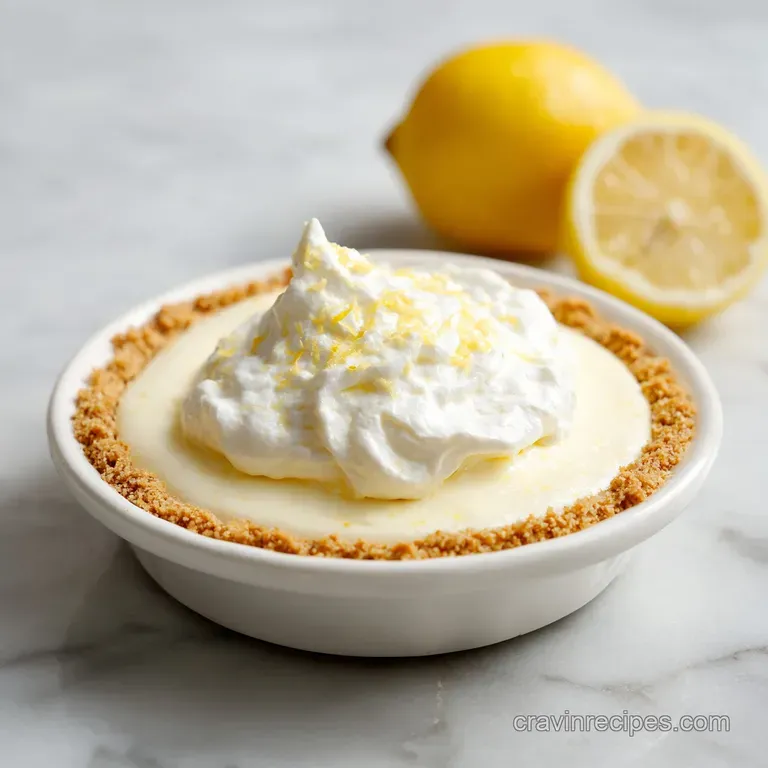
- Time: Active 30 minutes, Passive 15 minutes, Total 45 minutes
- Flavor/Texture Hook: A velvety, cream rich base topped with a tangy, translucent citrus crown.
- Perfect for: Spring celebrations, holiday dessert tables, or when you need a foolproof showstopper.
- Crafting the Indulgent Lemon Supreme Pie
- Why These Layers Stay Perfect
- Ingredient Deep Dive Analysis
- Essential Elements and Tasty Swaps
- Must Have Kitchen Tools for Success
- Following the Foolproof Step-by-Step
- Solutions for the Most Common Problems
- Adjusting the Recipe for Any Crowd
- Solving Modern Baking Myths and Legends
- Proper Storage and Minimizing Food Waste
- Perfect Pairings for This Sweet Treat
- Recipe FAQs
- 📝 Recipe Card
Crafting the Indulgent Lemon Supreme Pie
Have you ever bitten into a slice of pie and wondered why the crust didn't turn into a soggy mess under all that lemon filling? It's a question that haunted me until I discovered the "supreme" secret.
Most citrus pies rely on a thin layer of meringue to distract you from a collapsing base, but this Lemon Supreme Pie uses a clever, decadent cream cheese barrier that keeps everything structurally sound while adding a rich, buttery mouthfeel.
I still remember the first time I served this to my family during a humid July afternoon. I was terrified the humidity would turn the filling into soup. But as I pulled the knife through, I heard that satisfying shatter of the crust, followed by the sight of three distinct, beautiful layers.
The bright, sunshine yellow curd sat perfectly atop the snow white cream layer, and not a single drop of moisture had seeped into the pastry. It was a baking revelation that changed how I think about fruit pies forever.
This isn't just another lemon recipe. We are talking about a dessert that balances the sharp, puckering acidity of fresh lemon juice with the indulgent sweetness of condensed milk. If you have ever struggled with a runny lemon meringue or a crust that feels like cardboard, you're in the right place.
We are going to walk through the exact steps to ensure your pie looks like it belongs in a high end bakery window, with a texture that is nothing short of dreamy.
Why These Layers Stay Perfect
Understanding how these layers interact is the key to moving from a "good" baker to a "great" one. It isn't just about mixing ingredients; it's about managing moisture and temperature.
- Fat Barrier Shield: The cream cheese layer acts as a waterproof seal, preventing the moisture from the lemon curd from migrating into the crust.
- Starch Gelatinization: Boiling the cornstarch for exactly one minute ensures the starch granules fully swell and trap the liquid, creating a sliceable gel.
- Protein Tempering: Gradually adding hot liquid to the egg yolks prevents them from scrambling, resulting in a velvety smooth filling without lumps.
- Steam Aeration: Pricking the crust (docking) allows steam to escape during baking, ensuring the bottom stays flat and crisp rather than puffing up.
| Method | Time | Texture | Best For |
|---|---|---|---|
| Traditional Stovetop | 15 minutes | Silky and translucent | Achieving the classic "Supreme" look |
| Oven Baked Filling | 35 minutes | Denser, custard like | Those who prefer a lemon bars texture |
| No Bake Version | 0 minutes | Soft and mousse like | Hot summer days when the oven stays off |
Using the stovetop method for the filling is my absolute favorite because it gives you total control over the thickness. You can actually see the moment the cloudy starch mixture turns clear and glossy, which is one of the most satisfying sights in the kitchen. If you love this kind of bright citrus flavor, you might also find that the zing in this dish reminds you of the zesty notes in a classic chicken piccata.
Ingredient Deep Dive Analysis
Each component in this recipe has a specific job to do. We aren't just adding sugar for sweetness; we're using it to stabilize the proteins and control the set of the curd.
| Ingredient | Science Role | Pro Secret |
|---|---|---|
| Cornstarch | Thickening agent | Whisk it with sugar first to prevent clumps from forming. |
| Cream Cheese | Structural fat barrier | Use full fat blocks only; tub spreads contain too much water. |
| Egg Yolks | Emulsifier and color | Large yolks provide the rich golden hue without artificial dyes. |
| Lemon Zest | Essential oil source | Zest directly over the bowl to catch the aromatic oils. |
Selecting the right citrus makes a massive difference here. While bottled juice works in a pinch, it often lacks the complex floral notes of fresh lemons. I always look for lemons that feel heavy for their size and have a thin, smooth skin those are usually the juiciest.
Essential Elements and Tasty Swaps
To get the best results, you'll want to have all your ingredients measured and ready before you turn on the stove. This recipe moves fast once the thickening starts!
- 1.5 cups (190g) all purpose flour: The base for our flaky pastry. Why this? Provides enough protein for structure without being tough.
- 0.5 cup (115g) unsalted butter: Must be chilled and cubed. Why this? Cold butter creates the steam pockets needed for flakiness.
- 1 tbsp granulated sugar: For the crust.
- 0.25 tsp fine sea salt: To balance the sweetness.
- 4 tbsp ice water: To bind the dough.
- 8 oz (225g) full fat cream cheese: Softened to room temperature.
- 0.5 cup (120ml) sweetened condensed milk: For the creamy layer.
- 1 cup (240ml) stabilized whipped topping: Fold this in gently.
- 1.5 cups (300g) granulated sugar: For the lemon filling.
- 6 tbsp (45g) cornstarch: Our primary thickener.
- 1.5 cups (355ml) water: The liquid base for the curd.
- 3 large egg yolks: Beaten before adding.
- 0.5 cup (120ml) fresh lemon juice: The star of the show.
- 1 tbsp lemon zest: Finely grated for maximum flavor.
- 2 tbsp (28g) unsalted butter: Added at the end for shine.
| Original Ingredient | Substitute | Why It Works |
|---|---|---|
| Whipped Topping | Stabilized Whipped Cream | Similar volume. Note: Must be stabilized with gelatin to prevent melting. |
| All Purpose Flour | Pastry Flour | Lower protein creates an even more tender, "short" crust. |
| Granulated Sugar | Caster Sugar | Dissolves faster in the filling, preventing any graininess. |
If you find yourself with extra lemons, don't let them go to waste. You can use the leftovers to make a bright vinaigrette or even a quick zest infused sugar for your next batch of cookies. For another decadent treat that uses a completely different flavor profile, you have to try this chocolate pie dessert.
Must Have Kitchen Tools for Success
You don't need a professional kitchen to make a "Supreme" level pie, but a few specific tools will make the process much smoother. I personally swear by a heavy bottomed saucepan for the lemon filling.
Thin pans have hot spots that can scorch the cornstarch or scramble the egg yolks before you have a chance to whisk them.
A sturdy glass or ceramic 9 inch pie plate is also essential. Glass is great because you can peek at the bottom of the crust to ensure it's a beautiful pale mahogany before you pull it out of the oven. If you're using a metal tin, keep an eye on it, as they tend to brown the bottom much faster.
Finally, a microplane zester is your best friend here. It allows you to take only the yellow zest (the flavorful part) while leaving behind the bitter white pith.
Following the Foolproof step-by-step

Let's get into the rhythm of the kitchen. This recipe is all about the transition from cold to hot, and then back to cold for the final set.
- Preheat your oven to 400°F (200°C). In a large bowl, work the chilled, cubed butter into the flour, sugar, and salt using a pastry cutter or your fingertips until it looks like coarse crumbs.
- Add ice water one tablespoon at a time, tossing with a fork until the dough just holds together when pressed. Roll it out on a floured surface, fit it into your 9 inch pie plate, and flute the edges.
- Prick the bottom of the crust thoroughly with a fork. Bake for 12 to 15 minutes until pale mahogany and dry to the touch. Let it cool completely on a wire rack.
- In a medium bowl, beat the softened cream cheese until it is silky and free of lumps. This is crucial for that velvety mouthfeel.
- Gradually fold in the sweetened condensed milk, then gently fold in the whipped topping using a spatula. Spread this evenly over the cooled crust.
- In a saucepan, whisk the 1.5 cups of sugar and cornstarch together. Gradually stir in the 1.5 cups of water. Cook over medium heat, stirring constantly, until the mixture thickens and reaches a full boil.
- Boil the mixture for exactly 1 minute. It should go from cloudy to translucent.
- Slowly whisk about half of this hot mixture into your beaten egg yolks. This is called tempering! Then, pour the egg mixture back into the saucepan.
- Boil and stir for 2 more minutes. Remove from the heat and stir in the 2 tablespoons of butter, lemon juice, and zest.
- Pour the warm lemon filling over the cream cheese layer. Chill the pie for at least 4 hours until the filling is firm and set.
Chef's Note: When tempering the eggs, pour the hot liquid in a very slow, thin stream while whisking the yolks vigorously. This prevents "scrambled egg" bits in your beautiful pie.
Solutions for the Most Common Problems
Even the best cooks run into a hiccup now and then. The most common issue with this specific pie is usually related to the "set" of the lemon layer or the texture of the crust.
Why Your Filling Is Runny
If your lemon layer doesn't slice cleanly, it’s usually because the cornstarch didn't reach a high enough temperature. Cornstarch needs to hit the boiling point to activate its thickening power.
If you stop stirring the moment it looks thick but hasn't actually bubbled, it will revert to a liquid state as it cools. Always look for those big, lazy bubbles.
Preventing a Soggy Bottom
The secret to the "Supreme" title is the cream cheese layer, but the crust itself must be fully baked first. If the crust is still "blonde" or doughy when you take it out of the oven, it won't have the strength to hold the layers. Ensure it has that toasted, mahogany color before adding the cream.
| Problem | Root Cause | Solution |
|---|---|---|
| Lumpy Filling | Adding eggs too fast | Temper the yolks by adding hot liquid slowly. |
| Shrunken Crust | Dough was stretched | Let dough rest in the fridge for 30 mins before baking. |
| Weeping Layer | Temperature shock | Let the lemon filling cool for 10 mins before pouring over the cream. |
Common Mistakes Checklist:
- ✓ Ensure the cream cheese is truly room temperature before beating to avoid tiny white dots in your filling.
- ✓ Use a heavy whisk for the stovetop filling to ensure no cornstarch sticks to the corners of the pan.
- ✓ Don't skip the "docking" (pricking with a fork) or your crust will bubble up like a volcano.
- ✓ Let the pie chill for the full 4 hours; cutting it early will result in a messy, sliding slice.
Adjusting the Recipe for Any Crowd
If you're hosting a big garden party or just baking for two, this recipe is surprisingly flexible. However, you have to be careful with the chemistry of the crust and the thickener when changing quantities.
For a smaller half batch, you can use a 6 inch pie tin or even make individual tartlets. Reduce the baking time for the crust by about 5 minutes, as the smaller surface area will brown much faster.
When it comes to the egg yolks, use two small yolks instead of trying to split a large one.
If you are doubling the recipe for a large gathering, I recommend making two separate 9 inch pies rather than one giant one. Large format pies struggle to set in the center, and the weight of the lemon filling can cause the bottom crust to buckle.
If you do make a massive version, increase the chilling time to 6 or 8 hours to ensure the core is cold. Also, remember that when doubling spices or salt, it's often better to start with 1.5x the amount and taste as you go, though for this sweet pie, doubling the ingredients exactly usually works fine.
Solving Modern Baking Myths and Legends
There is a long standing myth that you should never use a metal whisk in a lemon filling because it will turn the pie grey or give it a metallic taste. While this was true back when everyone used unlined aluminum or copper pans, modern stainless steel whisks and non reactive pans have made this a non issue.
You can whisk away without fear of ruining that bright yellow color.
Another myth is that "the more lemon juice, the better." This is a dangerous path! Adding extra liquid changes the ratio of starch to water, which can prevent the pie from ever reaching a sliceable consistency. If you want more "zing," increase the lemon zest instead of the juice.
The zest carries the concentrated oils that provide flavor without affecting the chemistry of the set.
Finally, some people think you can't use frozen lemon juice. While fresh is definitely the gold standard, high-quality frozen lemon juice (without additives) works perfectly well. Just make sure it is completely thawed and at room temperature before you begin cooking the filling to avoid uneven heating.
Proper Storage and Minimizing Food Waste
Because of the high dairy content in the cream cheese and the egg yolks in the curd, this pie must be stored in the refrigerator. It will stay fresh and delicious for up to 3 days, though the crust will slowly lose its "shatter" as time goes on.
I recommend covering it loosely with plastic wrap or a pie dome, but be careful not to let the wrap touch the top of the lemon layer, or it might peel off the beautiful glossy surface when you remove it.
If you find yourself with leftover egg whites from the yolks used in the filling, don't toss them! They are the perfect base for a small batch of meringues or a healthy egg white omelet the next morning. You can even freeze egg whites in an ice cube tray for up to two months.
Simply thaw them in the fridge overnight before you need them.
As for the lemon peels, if you have a compost bin, they are great, but you can also toss them into a jar of white vinegar. After a week, you'll have a fantastic, natural citrus scented cleaner for your kitchen counters. It's a great way to ensure every part of the fruit is used.
Perfect Pairings for This Sweet Treat
While this pie is a star on its own, the right pairing can turn a simple dessert into a full experience. The bright acidity of the lemon pairs beautifully with something creamy and mild to balance the palate.
A dollop of extra whipped cream on top is the classic choice, but if you want to get fancy, a few fresh raspberries or blueberries add a nice pop of color and a different kind of sweetness. If you're serving this at a dinner party, consider a light, bubbly beverage.
A glass of Prosecco or a lemon infused sparkling water complements the citrus notes perfectly.
If you're looking for another fruit forward dessert to serve alongside this for a large crowd, a berry cobbler recipe provides a wonderful warm and cold contrast. The deep, jammy flavors of cooked berries offer a beautiful counterpoint to the sharp, clean brightness of the lemon. Whatever you choose, just remember that the "Supreme" nature of this pie means it can hold its own against almost anything on the table. Enjoy every tangy, creamy bite!

Recipe FAQs
What is the difference between lemon meringue and lemon supreme pie?
Lemon meringue uses fluffy egg whites for the topping, while lemon supreme features a dense cream cheese and condensed milk layer. This foundational layer acts as a moisture barrier to keep the crust crisp and adds a richer, velvety texture compared to the airy meringue style.
What was Bill Clinton's favorite pie?
Chess pie is widely cited as his favorite. While often confused with other citrus based desserts, it remains a distinct Southern staple separate from the layered construction of a lemon supreme pie.
What is the lemon supreme pie at Village Inn?
It is a trademarked menu item featuring a cream cheese layer topped with lemon curd. Our version mirrors this iconic structure by utilizing a whipped topping and cream cheese base to ensure a stable, bakery quality slice.
Can you mix lemon pie filling with cream cheese and condensed milk?
Yes, this is the essential method for achieving the signature supreme texture. We combine these specific ingredients into a distinct layer to provide a rich, fat-based anchor that prevents the acidic lemon curd from seeping into the crust.
How to ensure the crust stays crispy under the lemon filling?
Spread the cream cheese layer completely edge-to-edge before adding the citrus filling. This layer acts as a waterproof seal, much like the base of a mini cheesecake, ensuring the pastry remains flaky rather than becoming soggy.
How to fix a lemon filling that is too runny?
Whisk and boil the mixture for the full duration to activate the cornstarch. If the filling is not boiled for the required 2 minutes after adding the tempered egg yolks, the cornstarch will not thicken, resulting in a thin, pourable consistency instead of a set curd.
How to achieve clean slices without the layers smearing?
Chill the pie for at least 4 hours before attempting to cut. This mandatory rest period allows the cornstarch and cream base to set fully, preventing the layers from sliding against each other when you draw the knife through the crust.
Lemon Supreme Pie

Ingredients:
Instructions:
Nutrition Facts:
| Calories | 468 kcal |
|---|---|
| Protein | 5.2 g |
| Fat | 22.9 g |
| Carbs | 58.2 g |
| Fiber | 0.6 g |
| Sugar | 40.1 g |
| Sodium | 182 mg |
