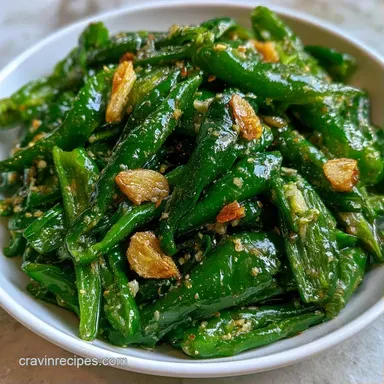
15 Minute Poblano Pepper Skillet with Garlic
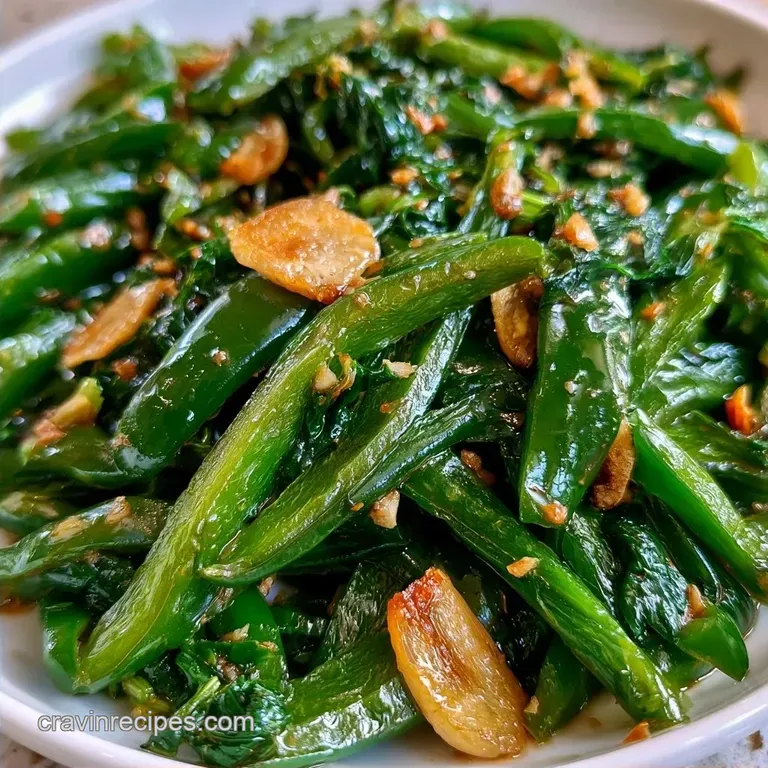
- Time: 5 min active + 10 min cook
- Flavor/Texture Hook: Charred, mahogany edges with a punchy garlic finish
- Perfect for: Fast weeknight sides or a budget-friendly appetizer
- 15 Minute Poblano Pepper Skillet with Garlic
- What Each Ingredient Does
- Essential Ingredient List
- Tools for the Job
- Step by Step Cooking
- Why This Dish Wins
- Pro Tips and Fixes
- Scaling Your Portion
- Truth About Searing
- Storage and Waste Tips
- Fun Flavor Twists
- What to Serve With
- Critical Sodium Level
- Recipe FAQs
- 📝 Recipe Card
I can't tell you how many times I've ended up with a pan of limp, soggy green peppers that tasted more like boiled vegetables than a sear. It usually happens when the pan is too crowded or the heat is too low, and the peppers just sweat in their own juices.
Discover how to make the perfect 15 Minute Poblano Pepper Skillet with Garlic.
The fix is actually pretty simple. You need a heavy skillet and enough heat to make the oil shimmer before the peppers even touch the surface. When you hear that aggressive sizzle, you know the water is evaporating instantly, leaving room for the edges to brown and caramelize.
This recipe is all about speed and high impact. We aren't doing any long roasts or peeling burnt skins under a bowl. We're going straight for the char in a pan, making it a great option for those nights when you have zero energy but still want something that tastes like a lot of effort.
15 Minute Poblano Pepper Skillet with Garlic
The magic here is the heat management. By searing the peppers first and adding the garlic last, we avoid the common tragedy of burnt, bitter garlic bits. Most people throw everything in at once, but garlic burns in a fraction of the time it takes a pepper to soften.
Right then, let's look at why this method works so well.
High Heat Searing: Using a cast iron pan keeps the temperature steady so the peppers brown instead of steaming.
Staged Cooking: Adding garlic at the end prevents it from scorching while the peppers get their color.
Acid Finish: Lime juice hits the pan at the very end to cut through the oil and wake up the earthy cumin.
| Method | Time | Texture | Best For |
|---|---|---|---|
| Fresh Sear | 15 min | Firm, charred | Bold flavor, fast prep |
| Oven Roast | 30 min | Soft, collapsed | Large batches, meal prep |
| Frozen Strips | 10 min | Tender, wet | Absolute emergency meals |
What Each Ingredient Does
Since we're keeping this budget friendly, we only use a few staples, but each one has a specific job.
| Ingredient | What It Does | Best Swap |
|---|---|---|
| Poblano Peppers | Earthy base, mild heat | Anaheim peppers (milder) |
| Garlic | Sharp, aromatic punch | Garlic powder (use 1/4 tsp) |
| Cumin | Warm, smoky depth | Smoked paprika (more "fire" flavor) |
| Lime Juice | Bright acid, balances oil | Lemon juice or apple cider vinegar |
Essential Ingredient List
I've kept this list short because a few high-quality ingredients are better than a dozen fillers.
- 3 large Poblano peppers (approx. 12 oz / 340g), seeded and sliced into 1/2 inch strips Why this? Thick walls hold their shape during a fast sear
- 2 tbsp olive oil Why this? High smoke point for medium high heat
- 4 cloves (20g) garlic, thinly sliced Why this? Slices brown more evenly than minced garlic
- 1/2 tsp ground cumin Why this? Adds a traditional Mexican earthy note
- 1/2 tsp kosher salt Why this? Draws out moisture for better browning
- 1/4 tsp cracked black pepper Why this? Adds a subtle woody heat
- 1 tbsp fresh lime juice Why this? Cuts through the richness of the oil
- 2 tbsp fresh cilantro, chopped Why this? Fresh herbal finish to contrast the char
- 1 tbsp flaky sea salt Why this? Provides a textural crunch at the end
Tools for the Job
You don't need a professional kitchen for this, but one piece of gear makes a huge difference. A 12 inch cast iron skillet is the gold standard here. Cast iron holds onto heat much better than stainless steel or non stick, which is how you get those mahogany edges without the peppers turning into mush.
If you don't have cast iron, a heavy stainless steel pan works. Just avoid the thin non stick pans if you can, as they often struggle to maintain the temperature when the cold peppers hit the oil. You'll also want a sturdy spatula for tossing the peppers and a sharp chef's knife to get those uniform 1/2 inch strips.
Uniformity matters because if some strips are thin and others are thick, the thin ones will burn before the thick ones are tender.
Step by step Cooking
Let's crack on. This goes fast, so have everything chopped and ready next to your stove.
- Heat a 12 inch cast iron skillet over medium high heat. Add the olive oil and wait until the oil shimmers and just begins to wisp smoke. Note: This ensures the peppers sear immediately.
- Add the poblano strips in a single layer. Let them sit undisturbed for 2-3 minutes until the edges turn a deep mahogany brown.
- Toss the peppers and sear for another 2 minutes until softened but still holding their shape.
- Reduce heat to medium. Push the peppers to the edges of the pan to create a clear spot in the center.
- Add the sliced garlic to the center. Stir the garlic for 60-90 seconds until it turns a pale golden hue and smells aromatic. Note: Don't let it turn dark brown or it will taste bitter.
- Stir in the cumin, salt, and pepper. Toss everything together until the peppers and garlic are evenly coated.
- Remove the pan from the heat immediately.
- Drizzle with fresh lime juice and toss in the chopped cilantro.
- Sprinkle with flaky sea salt just before serving.
Why This Dish Wins
This recipe works because it respects the ingredient. Poblanos are mild and hearty, but they can easily become bland if you overcook them. By keeping the cook time to 10 minutes, we preserve the "snap" of the pepper while adding the depth of the char.
It's also a budget saver. Most of these ingredients are pantry staples, and poblano peppers are usually very affordable. You get a side dish that looks and tastes high end but costs pennies per serving. It's a no fuss way to add a vegetable to the table that people actually want to eat.
Trust me on this, the lime juice at the end is the most important part. Without it, the dish tastes "heavy" from the oil. The acid cuts through everything and makes the flavors pop.
Pro Tips and Fixes
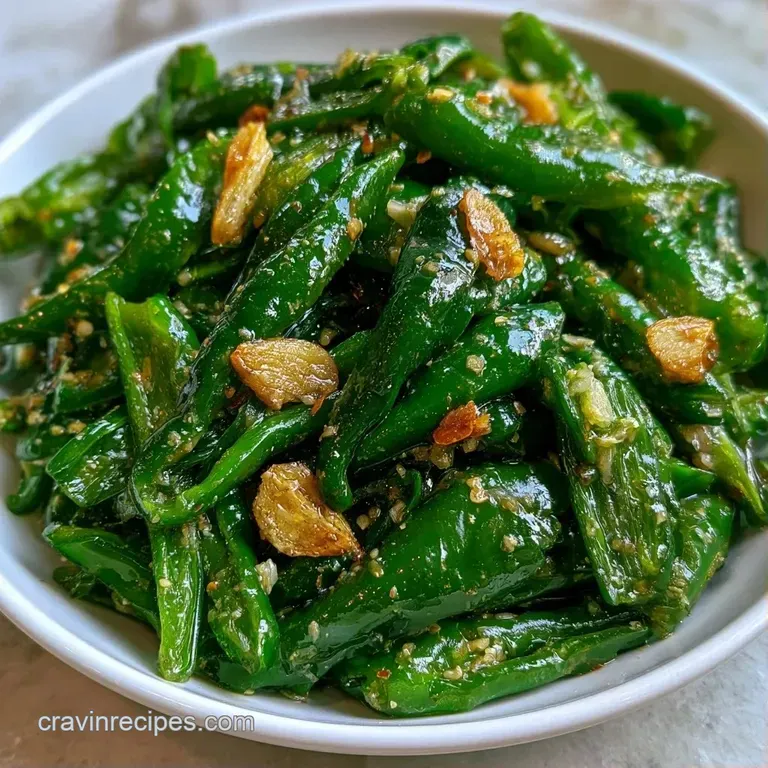
If you're struggling with the heat, remember that different stoves vary. If your oil is smoking aggressively, turn it down a notch. If the peppers are just sitting there and not sizzling, you need more heat.
A common issue is the garlic burning. If you see the garlic turning dark brown too quickly, you can add a tiny splash of water or a pinch of salt to drop the pan temperature instantly. If you find the flavor is too mild, you can stir in a teaspoon of Homemade BBQ Sauce Recipe at the very end for a smoky, sweet contrast that pairs well with the poblanos.
Precision Checkpoints:
- Oil Temp: Should wisp smoke just before adding peppers.
- Garlic Color: Pale gold, not dark brown.
- Pepper Texture: Softened but not collapsed.
Decision Shortcut
- If you want more heat, add a diced serrano pepper with the poblanos.
- If you want a creamier vibe, stir in a dollop of sour cream after removing from heat.
- If you're in a rush, use pre sliced frozen peppers, but increase the sear time by 2 minutes.
Why Your Peppers Get Soggy
The main reason for sogginess is overcrowding. If the peppers are piled on top of each other, they steam instead of fry.
| Problem | Root Cause | Solution |
|---|---|---|
| Soggy Peppers | Too many peppers in the pan | Cook in two batches |
| Bitter Garlic | Heat was too high during step 5 | Reduce heat to medium before adding garlic |
| Bland Flavor | Salt added too late | Salt during the searing process |
Scaling Your Portion
If you're cooking for a crowd, don't just double the ingredients in the same pan.
Scaling Down (½ Batch): Use a smaller 8 inch skillet. You can reduce the cook time by about 20% since there is less mass in the pan, but keep the heat high.
Scaling Up (2x-4x Batch): This is where most people mess up. Do NOT put 6 or 9 poblanos in one pan. They will release too much moisture and you'll get the "soggy" problem again. Work in batches. Sear half the peppers, remove them to a bowl, and then sear the second half.
Combine them at the end when you add the garlic and spices. Also, only increase the salt and cumin to 1.5x for a double batch; too much cumin can make the dish taste "dusty."
Truth About Searing
You might hear people say that searing meat or vegetables "locks in the juices." This is actually a myth. Searing doesn't create a waterproof seal. Moisture escapes regardless of how high the heat is. The reason we sear is for the flavor.
The browning creates new, complex flavor compounds that you simply can't get from boiling or steaming. It's about taste and texture, not "locking" anything in.
Storage and Waste Tips
These peppers are best served fresh, but they keep well. Store leftovers in an airtight glass container in the fridge for up to 3 days. When you reheat them, use a skillet over medium heat for 2-3 minutes. Avoid the microwave if you can, as it will make the peppers rubbery.
For freezing, I don't recommend it for this specific skillet recipe because the lime and cilantro lose their punch. However, you can freeze plain seared poblanos for up to 2 months.
Zero Waste Tip: Don't toss the poblano stems and seeds. I keep mine in a freezer bag and toss them into the pot when I'm making a basic vegetable broth. They add a subtle, earthy undertone to the stock.
Fun Flavor Twists
Once you've got the base down, you can play around with the flavors.
For a Cheesy Twist: Toss in a handful of crumbled cotija or shredded Monterey Jack during the last 30 seconds of cooking. Let it melt just enough to bind the peppers together.
For a Protein Boost: This makes a great base for shrimp or sliced chicken breast. Sear the protein first, remove it, then make the 15 Minute Poblano Pepper Skillet with Garlic, and fold the meat back in at the end.
For a Different Grain: Instead of serving this with rice, try pairing it with an Easy Homemade Orzo Pasta for a fusion side dish that's surprisingly comforting.
What to Serve With
This skillet is a side dish, but it can be a meal if you pair it right. I love serving this alongside grilled flank steak or blackened tilapia. The acidity of the lime juice cuts through the richness of grilled meats.
For a vegetarian option, serve these peppers over a bowl of warm quinoa or black beans. If you're feeling fancy, wrap them in warm corn tortillas with a smear of avocado and some pickled red onions. It's a no fuss way to get a hearty, family friendly meal on the table in under 20 minutes.
Critical Sodium Level
1280 mg 1,280 mg of sodium per serving (56% 56% of daily value)
The American Heart Association recommends a daily sodium limit of no more than 2,300 mg, with an ideal limit of 1,500 mg for most adults to reduce the risk of cardiovascular disease.
Tips to Reduce Sodium in Your Recipe
-
Eliminate Finishing Salt-30%
Remove the 1 tbsp of flaky sea salt used for garnishing, as this is the most concentrated source of sodium in the recipe.
-
Reduce Cooking Salt-25%
Reduce the 1/2 tsp of kosher salt by half or replace it with a potassium based salt substitute.
-
Increase Citrus Brightness-10%
Double the fresh lime juice; the acidity mimics the 'bite' of salt and enhances the natural flavors of the poblanos.
-
Enhance Aromatics
Increase the amount of fresh cilantro and garlic to provide a more robust flavor profile without adding sodium.
Recipe FAQs
How long do poblano peppers take to cook in a skillet?
About 5 minutes total. Let the strips sear undisturbed for 2-3 minutes to develop a brown crust, then toss for another 2 minutes until they soften.
How do you pan fry poblano peppers?
Heat olive oil in a cast iron skillet over medium high heat until it just begins to wisp smoke. Add the strips in a single layer and sear without stirring for 3 minutes before tossing.
Do you peel the skin off of poblano peppers for this recipe?
No, leave the skin on. Because these are sliced and seared quickly rather than charred whole, the skin remains tender and does not need to be removed.
Is it true that you must roast poblanos before sauteing them?
No, this is a common misconception. Sautéing sliced poblanos directly in oil allows you to achieve a mahogany sear and a better structural bite.
How do you roast poblano peppers on an electric stove?
Place the whole pepper directly on the burner or in a dry cast iron skillet over high heat. Turn the pepper frequently with tongs until the skin blisters and chars.
How do you prepare poblanos for this skillet?
Remove the seeds and slice the peppers into 1/2 inch strips. This consistent size ensures every piece sears evenly in the pan.
What should I serve with these poblano peppers?
They work best as a side for tacos or grilled proteins. For a richer pairing, serve them alongside a silky cheddar nacho sauce.
Poblano Pepper Garlic Skillet