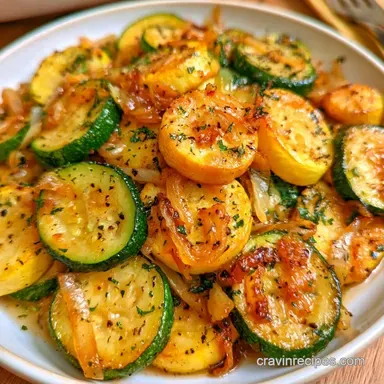
Skillet Zucchini Squash with Garlic and Onion
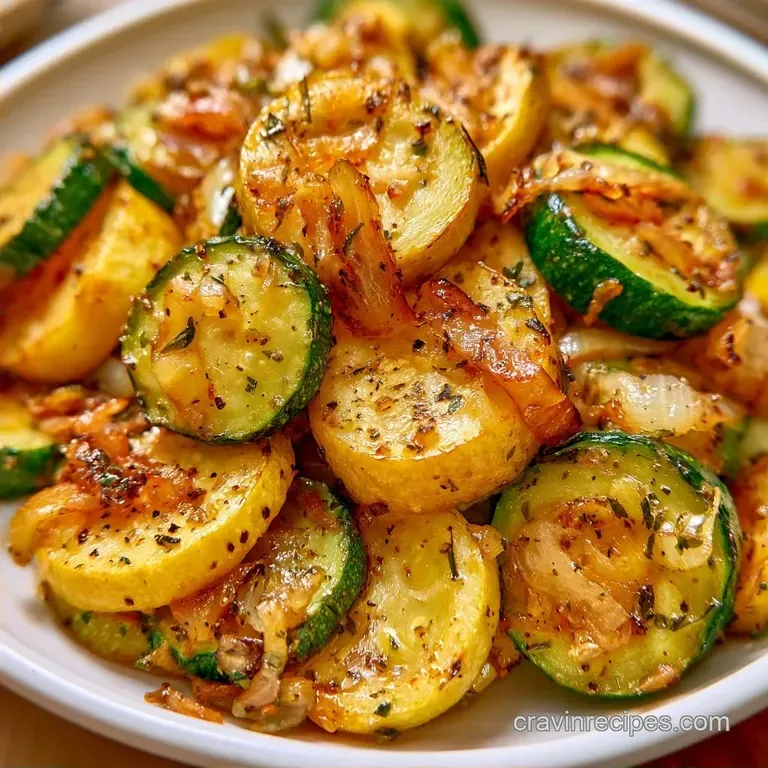
- Time: 10 minutes prep + 10 minutes stovetop
- Key Highlight: Rich brown char with a slight crunch in the middle
- Ideal for: A quick evening accompaniment
The sound of butter sizzling in a hot skillet is my favorite part of the day. For a long time, I treated zucchini like a sponge, letting it simmer until it became a colorless, soggy pile. It is disappointing when you're craving a charred, savory vegetable but end up with something that has the consistency of baby food.
The solution is straightforward: stop overcrowding the pan and be patient with the sear. This Skillet Zucchini Squash relies on intense heat to preserve its bite. You'll get those caramelized edges that offer real flavor, rather than just tasting like salt and water.
It is a streamlined approach that fits perfectly into a busy schedule. You won't spend an hour prepping or scrubbing through five different pots. You can get a vibrant, colorful side dish on the table in about twenty minutes, which feels like a total win after a hectic day.
Easy Skillet Zucchini Squash
Since we're focusing on a quick win here, the goal is efficiency. We want the most flavor for the least amount of scrubbing. This recipe avoids the "soggy vegetable" trap by managing the heat and the salt timing.
The trick to a great Skillet Zucchini Squash is the sear. If you stir too often, you break the vegetables and release the water too early. Let them sit, let them brown, and then toss them. It's a small shift in how you cook, but it changes the whole result.
Why This Method Works
Over High heat Searing: Cooking at medium high heat browns the outside quickly. This creates a crust that holds the vegetable's shape.
Salt Timing: Adding salt at the very end prevents the vegetables from releasing water too soon. This keeps the Skillet Zucchini Squash from steaming in the pan.
Uniform Slicing: Cutting everything to 1/4 inch ensures that the zucchini and squash finish at the same time. You won't have some pieces raw and others mushy.
| Goal | What to change |
|---|---|
| More Char | Increase heat to high and reduce stir frequency |
| Softer Texture | Lower heat to medium and cook for 3 extra mins |
| More Garlic Flavor | Add half the garlic at the very start |
The Ingredients List
| Component | Purpose | Substitute Notes |
|---|---|---|
| Zucchini | Primary base and mild flavor | Yellow squash (1:1 ratio) |
| Yellow Squash | Visual pop and subtle sweetness | Peeled and seeded cucumber (though tastes raw) |
| Unsalted Butter | Richness and browning | Olive oil (offers a cleaner, fruitier profile) |
| Garlic | Pungent aromatic start | Garlic powder (1/4 tsp) |
- 1 medium (12 oz / 340g) zucchini, cut into 1/4 inch coins Why this? Uniform thickness ensures even browning
- 1 medium (12 oz / 340g) yellow summer squash, cut into 1/4 inch coins Why this? Creates a vibrant color contrast
- 1/2 medium (75g) yellow onion, sliced thin Why this? Establishes a savory, sweet foundation
- 3 cloves (9g) garlic, minced Why this? Provides a bold kick without overpowering
- 2 tbsp (28g) unsalted butter or olive oil Why this? Butter provides a deeper, nuttier sear
- 1/2 tsp (3g) kosher salt
- 1/4 tsp (1g) freshly cracked black pepper
Alternatively, if you don't have butter on hand, olive oil works perfectly. You won't get that same rich finish, but it's an ideal swap for a lighter version.
Tools You'll Need
Any standard kitchen setup is sufficient. The most critical piece of equipment is a heavy 12 inch skillet. Cast iron is a top choice due to its heat retention, but stainless steel is also effective.
Avoid using non-stick cookware if you want a deep sear, as those pans generally cannot handle the high heat necessary for browning.
A cutting board and a sharp chef's knife are the only other requirements. A dull knife will crush the squash instead of slicing it cleanly, allowing juices to leak out before they hit the pan.
| Fresh Prep | Shortcut Prep | Impact | Savings |
|---|---|---|---|
| Hand sliced rounds | Pre cut frozen squash | Soggy texture, less sear | 5 mins prep |
| Fresh minced garlic | Jarred minced garlic | More acidic, less pungent | 2 mins prep |
| Fresh sliced onion | Frozen diced onion | Less sweetness, more water | 3 mins prep |
Simple Cooking Steps
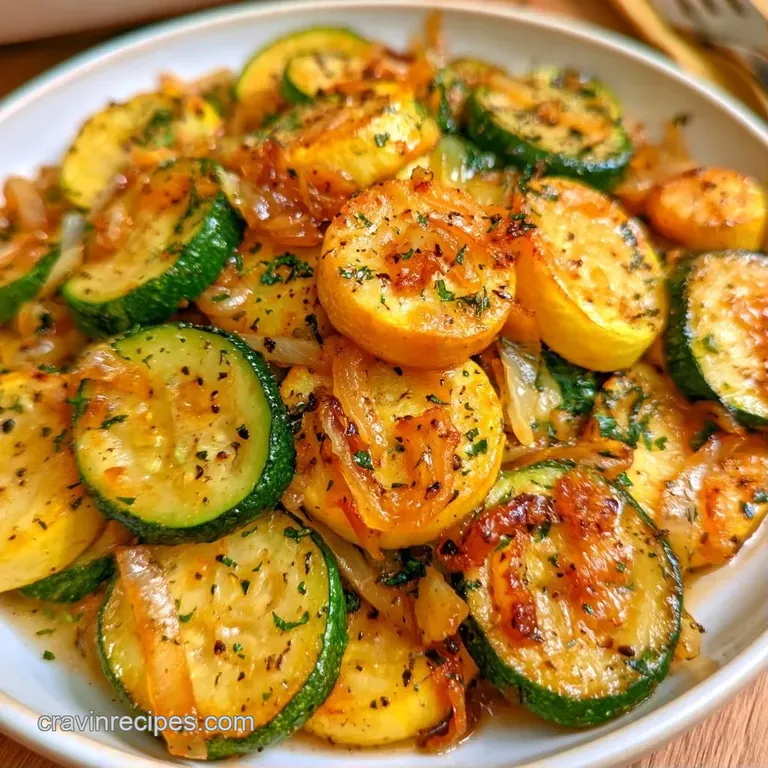
- Slice the zucchini and yellow squash into even 1/4 inch rounds. Thinly slice the onion and mince the garlic.
- Heat butter or oil in a 12 inch skillet over medium high heat.
- Once the butter is foamy and melted, add the onions. Sauté for 3–4 minutes until they become translucent and lightly golden.
- Stir in the garlic and cook for 30 60 seconds until fragrant, ensuring it doesn't brown.
- Slightly increase the heat and add the squash and zucchini in a single layer. Note: If your pan is small, work in batches to avoid crowding.
- Let the vegetables sear undisturbed for 2–3 minutes until a rich mahogany color forms.
- Stir fry for an additional 4–6 minutes until the edges are golden and the centers remain tender crisp.
- Stir in salt and pepper during the last minute of cooking. Note: This timing prevents the salt from drawing out excess water.
Chef Note: If the vegetables start pooling in liquid, turn up the heat. You're looking for a sizzle, not a simmer.
Key Techniques Explained
The biggest hurdle with Skillet Zucchini Squash is moisture. Zucchini is mostly water, and salt pulls that water out. By waiting until the last minute to season, we keep that liquid inside the vegetable, which allows the surface to brown.
If you prefer a different style of cooking these, you might like a Baked Squash and Zucchini version. That method is slower but gives you a more tender, roasted feel. For the skillet version, though, speed and heat are your best friends.
Fixing Common Issues
When the vegetables start to steam, it usually means the pan is too full. You'll see a layer of water at the bottom and the squash will look pale. The fix is to remove some of the vegetables and turn up the heat. This lets the water evaporate and allows the remaining pieces to sear.
Another common issue is when the garlic turns dark brown. Burnt garlic tastes bitter and can ruin the whole pan. If you notice the garlic darkening too quickly, toss in the vegetables immediately to lower the pan's temperature.
When It Gets Watery
This happens if you salt too early or overcrowd the skillet. The vegetables release juice and boil instead of frying.
When Garlic Burns
Adding garlic too early or using heat that's too high causes it to char.
| Problem | Fix |
|---|---|
| Pale, soggy squash | Remove some veg, increase heat to high |
| Bitter taste | Ensure garlic only cooks for 60 seconds |
| Uneven browning | Use a larger pan or cook in two batches |
If you're struggling with the texture of your Skillet Zucchini Squash, double check your slice thickness. If the rounds are too thin, they'll collapse; too thick, and the centers will stay raw while the outside burns.
Storage and Scraps
Store leftovers in an airtight glass jar in the refrigerator for up to 3 days. Keep in mind that the texture will soften over time. To regain that crunch, reheat the dish in a hot pan for 2 minutes instead of using a microwave.
Freezing is not advised for this dish, as the water in the squash creates a mushy consistency after thawing. It's best to cook only the amount you plan to eat.
For a zero waste approach, save the onion skins and zucchini ends. Place them in a freezer bag with your other vegetable trimmings. Once the bag is packed, boil them for an hour to produce a simple vegetable stock for your next soup.
Simple Flavor Tweaks
If you want to skip the butter for a dairy-free version, use avocado oil. It has a high smoke point, which is great for the high heat this Skillet Zucchini Squash requires. You can also add a squeeze of fresh lemon juice right before serving to brighten the flavors.
For a low sodium profile, replace the salt with a pinch of smoked paprika and a dash of apple cider vinegar. This gives you a tangy, smoky flavor without the heavy salt hit.
If you have some parmesan cheese on hand, stir in a tablespoon at the very end. It creates a salty, nutty crust that kids usually love. It turns the side dish into something a bit more hearty.
Great Side Pairings
This Skillet Zucchini Squash is the perfect side for grilled meats. It complements a seared salmon fillet or a simple lemon garlic chicken breast beautifully, adding a fresh, bright contrast to the hearty proteins.
For a heartier vegetable spread, try pairing this with an Italian Zucchini Casserole. It's also a wonderful accompaniment to grilled tofu for a plant based meal or a lean cut of steak.
Because it comes together so quickly, I always reach for this when serving something indulgent, like creamy pasta or a pot roast. Those light, charred notes help refresh the palate against the heavier components of the dinner.
And there you have it the secret to Skillet Zucchini Squash that is properly sautéed rather than steamed. Just stick to high heat, leave room in the pan, and wait until the end to add salt. Trust me on that last step, and you'll avoid soggy vegetables every time.
Recipe FAQs
How do I prevent zucchini and squash from getting soggy?
Add salt and pepper during the final minute of cooking. Salting the vegetables too early draws out moisture, which leads to steaming rather than searing.
What is the best way to pan fry summer squash?
Sear the vegetables undisturbed for 2 3 minutes. This high heat contact develops a mahogany colored crust before you toss them to reach a tender crisp finish.
Which main courses pair well with these vegetables?
Serve them alongside pasta or grilled proteins. These seasoned rounds are a light, fresh accompaniment to homemade orzo pasta.
Is it true that zucchini must be salted and drained before cooking to avoid mushiness?
No, and here's why. Using a wide 12 inch skillet over medium high heat allows moisture to evaporate quickly, eliminating the need for pre-salting.
Skillet Zucchini Squash