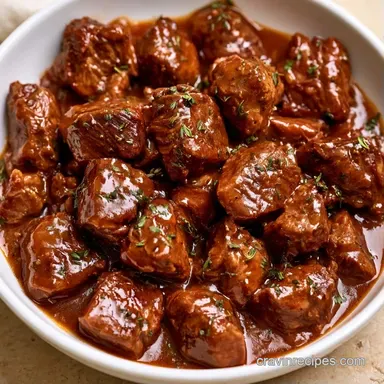
Slow Cooker Beef Stew: Hearty and Tender

- Time: 20 min active + 8 hrs cooking
- Flavor/Texture Hook: Rich, dark mahogany gravy and fork-tender beef
- Perfect for: Cozy winter evenings or a traditional Sunday feast
Why do some stews feel bland and uninspired while others feel like a comforting embrace? I once believed that achieving a complex, savory profile required constant attention at the stove. Whenever I tried the "dump and go" approach, I ended up with a pale, thin broth and meat that tasted merely boiled.
Everything changed when I discovered that a small amount of prep work makes a massive difference. A truly great Slow Cooker Beef Stew requires a hard sear on the meat and a quick sauté of the vegetables to establish a rich base of flavor.
After those initial steps, you can simply walk away and let the machine take over. You'll be rewarded with a dish where the beef practically dissolves and the sauce has a thick, glossy consistency that clings to every potato.
Why This Stew Works
- Chuck Roast: This cut has lots of connective tissue that melts into gelatin over 8 hours, giving the sauce a rich body.
- The Sear: Browning the beef creates deep, savory notes that you simply can't get from simmering alone.
- Staggered Veggies: Adding potatoes later prevents them from turning into mush during the long cook.
| Method | Time | Texture | Best For |
|---|---|---|---|
| Stovetop | 3 hours | Tighter cuts | Quick cravings |
| Oven | 4 hours | Concentrated | Large batches |
| Slow Cooker | 8 hours | Fall apart tender | Set and forget |
Essential Recipe Details
The goal here is a balance of hearty protein and soft vegetables. Using bone broth instead of regular stock adds more body to the liquid. If you're watching your budget, beef chuck is your best friend because it's affordable but delivers the most flavor after a slow simmer.
For the best results, keep your heat on "Low." While "High" is faster, the low heat allows the collagen to break down more gently, ensuring the meat doesn't tighten up.
Shopping List Breakdown
| Ingredient | Role | If You Don't Have It |
|---|---|---|
| Beef Chuck | Primary protein | Stew meat (leaner alternative) |
| Beef Bone Broth | Flavor foundation | Standard beef broth |
| Red Wine | Depth and tang | Extra broth + 1 tsp vinegar |
| Tomato Paste | Color and body | 2 tbsp tomato sauce |
The Protein and Base
- 2 lbs beef chuck roast, trimmed and cut into 1 inch cubes Why this? High collagen content ensures tenderness.
- 2 tbsp olive oil
- 1 tsp kosher salt
- ½ tsp cracked black pepper
- 1 large yellow onion, diced
- 3 cloves garlic, minced
The Braising Liquid
- 4 cups low sodium beef bone broth
- ½ cup dry red wine Why this? Balances the heavy flavors of the meat.
- 2 tbsp tomato paste
- 1 tbsp Worcestershire sauce
- 2 bay leaves
- 1 tsp dried thyme
The Hearty Fillers
- 1 lb baby gold potatoes, halved Why this? These stay intact more effectively than Russets.
- 3 large carrots, sliced into thick rounds
- 2 stalks celery, sliced
- 1 cup frozen peas
The Finishing Touch
- 2 tbsp cornstarch
- 2 tbsp cold water
- Fresh parsley for garnish
| Original Ingredient | Substitute | Why It Works |
|---|---|---|
| Red Wine (1/2 cup) | Beef Broth + Apple Cider Vinegar | Mimics the acidity. Note: Missing the fruity complexity of wine |
| Baby Gold Potatoes | Parsnips or Turnips | Comparable density. Note: Adds a slightly peppery or sweeter profile |
| Beef Bone Broth | Vegetable Broth | Works for flavor. Note: Thinner consistency than bone broth |
Gear You Will Need
A heavy skillet is essential for the searing phase. Cast iron is the ideal choice here, as its ability to hold heat prevents the beef from steaming in its own juices.
For the main cooking, any 6 quart slow cooker will work. If yours is programmable, you can time it to be ready right as you arrive home. To mix the cornstarch slurry at the end, a simple fork or whisk will do.
Bringing It Together

Phase 1: Building the Flavor
- Use paper towels to pat the beef cubes completely dry, then season with salt and pepper. Removing moisture helps the meat brown more effectively.
- Warm olive oil in a pan over medium-high heat until it shimmers.
- Brown the beef in small groups until a dark mahogany crust develops on all sides, then transfer the meat to the slow cooker.
- Using the same pan, sauté the celery, carrots, and onion for 5 minutes until the onions become translucent.
- Mix in the tomato paste and minced garlic, stirring for 1 minute until aromatic.
- Deglaze the pan with red wine, scraping up the browned bits from the bottom, and pour the mixture over the beef.
Phase 2: The Slow Simmer
- Stir in the beef bone broth, Worcestershire sauce, bay leaves, and dried thyme. Mix gently to combine.
- Cover and set to Low for 8 hours.
- Add the halved baby gold potatoes roughly 2 hours before the cooking is complete.
Phase 3: The Final Thickening
- Fold in the frozen peas and the cornstarch slurry (combine 2 tbsp cornstarch with 2 tbsp cold water).
- Cook on high for 15-30 minutes until the sauce is glossy and thickened.
- Take out the bay leaves and garnish with fresh parsley.
Chef Note: To save time, a pressure cooker can be used for the searing and simmering stages, although the 8-hour slow cook produces the most tender meat.
Fixing Common Issues
Even a straightforward Slow Cooker Beef Stew can sometimes run into hiccups. Most of these are quick adjustments you can make just before serving. For tips on getting the broth just right, check out my approach in this tortellini soup recipe.
Watery Sauce Fix
This usually occurs when the lid isn't tight or the veggies release too much liquid. To fix this, whisk one additional tablespoon of cornstarch with cold water and stir it into the pot. Cook on high for 15 more minutes to thicken the sauce.
Tough Meat Fix
If your beef remains chewy after 8 hours, the connective tissue likely hasn't tenderized yet. Let it cook for one more hour on low. While the USDA recommends 165°F for safety, stew meat needs to reach roughly 190-200°F to become truly tender.
Mushy Vegetable Fix
This happens if the potatoes or carrots are put in too soon. In the future, add potatoes during the last 2 hours and peas in the last 20 minutes. If it's already happened, stir some of those soft potatoes directly into the gravy to add thickness.
| Item | Budget Swap | Impact | Savings |
|---|---|---|---|
| Beef Chuck | Stew Meat | More varied texture | $3 - $5 |
| Bone Broth | Regular Broth | Less body/richness | $2 - $3 |
| Fresh Parsley | Dried Parsley | Less bright flavor | $1 - $2 |
Ways to Change It
If you want to lean into a different flavor profile, try a Slow Cooker Beef Stew with Onion Soup Mix. Just replace the salt, thyme, and tomato paste with one packet of onion soup mix. It gives a very savory, salty punch that kids usually love.
For something a bit more filling, you can turn this into a Slow Cooker Beef Stew and Dumplings recipe. About 45 minutes before serving, drop spoonfuls of biscuit dough onto the surface of the stew, cover, and let them steam.
If you want a different beefy vibe, my homemade beef pasta is a faster option for weeknights when you don't have 8 hours to spare.
Keto or Low Carb Options
To make this keto, simply swap the potatoes for cauliflower florets or radishes. Radishes lose their sharp bite when slow cooked and take on a texture very similar to a potato.
Gluten-free Adjustments
This recipe is almost gluten-free by default. Just double check that your Worcestershire sauce is a certified GF brand, as some contain barley malt.
Storage and Waste Tips
This Slow Cooker Beef Stew is even more delicious after sitting overnight, as the flavors deepen and blend. Store it in an airtight vessel in the refrigerator for 4 days. If the sauce has thickened during chilling, simply stir in a bit of water or broth while reheating.
For longer storage, you can freeze this stew for as long as 3 months. Ensure it is fully cooled before putting it in the freezer to prevent ice crystals from forming. Thaw it overnight in the refrigerator before heating it on your stovetop.
To minimize waste, store any beef trimmings and onion skins in a freezer-safe bag. After collecting a decent amount, simmer these ingredients with water and a carrot to create a homemade beef stock for your next recipe.
Best Serving Suggestions
The best way to serve this is in a wide bowl with a big piece of crusty sourdough bread. The bread is essential for mopping up every drop of that glossy gravy.
If you want a fresher balance, pair the rich meat with a crisp side salad featuring a sharp lemon vinaigrette. The acidity of the salad cuts through the heaviness of the beef and potatoes.
Some people prefer to serve their beef stew over a scoop of buttery mashed potatoes or egg noodles. While the recipe already has potatoes inside, adding an extra layer of starch makes it a truly filling meal for a hungry family.
Recipe FAQs
How to make the best beef stew in a slow cooker?
Sear the beef in olive oil first, then cook on low for 8 hours. Add the baby gold potatoes near the end to keep them from becoming too soft.
Is it true that raw beef can go straight into the slow cooker?
No, and here's why. Searing the meat creates a mahogany crust that adds essential depth and color to the final sauce.
Which mistakes lead to poor beef stew?
Adding potatoes too early often makes them mushy. Failing to deglaze the skillet means you lose the flavorful brown bits known as fond.
Can beef be overcooked in a slow cooker?
This one's false: Beef chuck requires long cooking times to break down tough connective tissue. It actually gets more tender the longer it simmers on low.
Why is the sauce too thin?
The liquid needs a cornstarch slurry stirred in at the end. Cook on high for 15 to 30 minutes to achieve a glossy, thick consistency.
When should potatoes be added?
Stir them in approximately 2 hours before the cooking time ends. This specific timing prevents them from disintegrating into the broth.
Does searing actually change the taste?
It adds a savory complexity that you cannot get from simmering alone. This process transforms the beef's natural sugars into a rich, deep flavor.
What side dishes pair well with this?
Serve this meal with some homemade orzo pasta to soak up the gravy. The buttery pasta complements the hearty beef perfectly.
Slow Cooker Beef Stew for 6 Servings