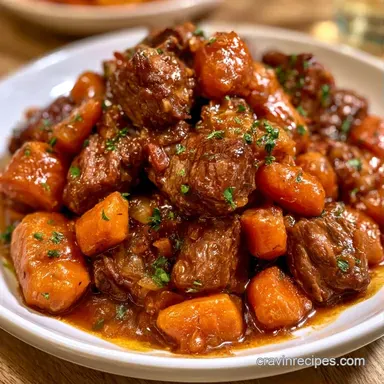
Tender Braised Chuck Steak with Onions
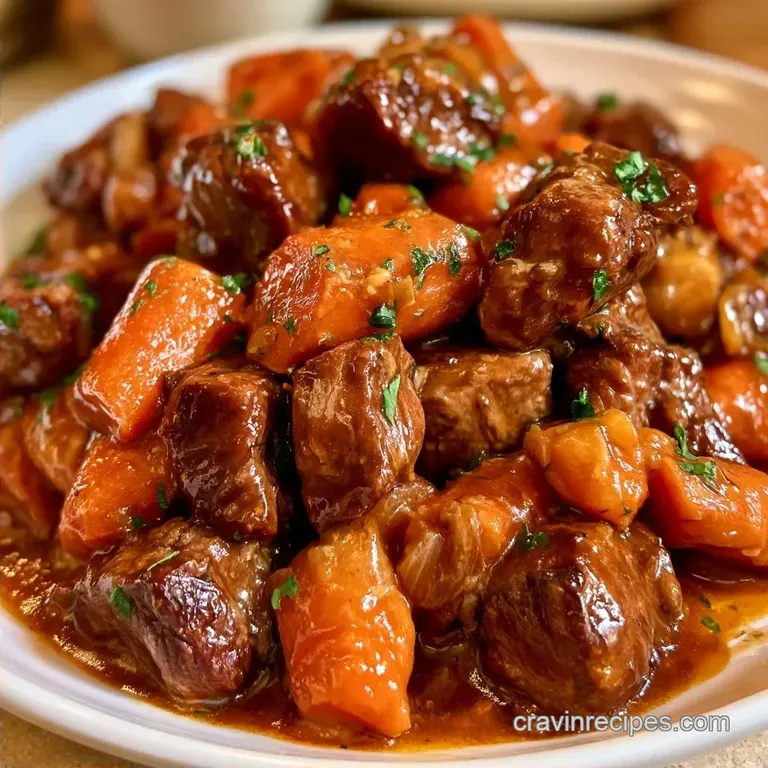
- Time: 30 min active + 3 hours 10 mins cooking
- Flavor/Texture Hook: Deep mahogany crust with fork tender beef
- Perfect for: Hearty Sunday family dinners or meal prep
Tender Braised Chuck Steak
The scent of red wine reducing in a heavy pot is my favorite part of any rainy Sunday. That savory, deep aroma has a way of drawing everyone toward the kitchen. I remember the first time I made this for my parents; I was terrified the meat would be too tough, but I simply let it simmer undisturbed.
When I finally peeked inside, the beef didn't just slice it practically dissolved. That's the magic of Braised Chuck Steak. You take an affordable, tough piece of beef and turn it into a decadent meal.
The end result is deeply comforting and satisfying without being overly complex. We aren't using any high end techniques here, just a handful of quality ingredients and the patience to let them work their magic.
Why the Liquid Level Matters
- Shallow Liquid: Keeping the broth halfway up the meat prevents the beef from boiling. This ensures the top stays seared while the bottom gets tender.
- Low Heat: Slow cooking converts tough connective tissue into gelatin. This is what gives the Braised Chuck Steak its rich mouthfeel.
Recipe Specs
Here is the game plan. This is a slow cooking process, so avoid rushing the searing or simmering stages. If you're looking for a slightly different variation, feel free to explore my Dutch Oven Chuck Steak.
| Goal | What to change |
|---|---|
| Thicker Sauce | Simmer uncovered last 30 mins |
| More Veggies | Add parsnips or turnips |
| Lighter Flavor | Swap red wine for beef stock |
The timeline is quite simple. You'll spend about 30 minutes preparing the base, and then the oven handles the heavy lifting for 3 hours 10 mins.
| Method | Cook Time | Texture |
|---|---|---|
| Classic Braise | 3 hours 10 mins | Fall apart tender |
| Fast Track (IP) | 60-90 mins | Soft, less crust |
The Building Blocks
For the beef, we want a chuck steak with plenty of marbling. That fat is what keeps the Braised Chuck Steak from drying out during the long cook. If the meat looks too lean, it might end up feeling a bit stringy.
The aromatics are the backbone of the sauce. Onions, carrots, and celery create a base that adds sweetness and depth. The tomato paste provides a bit of acidity and a deep color that makes the sauce look glossy.
For the liquid, a dry red wine like Cabernet or Merlot works best. It cuts through the richness of the beef. Beef bone broth is better than standard stock because it has more collagen, which helps thicken the sauce naturally.
Ingredients & Substitutes
- 3 lbs beef chuck steak, sliced into 4 thick portions The reason: High collagen content for a tender result
- 1 tsp fine sea salt The reason: Essential seasoning
- 1 tsp freshly cracked black pepper The reason: Adds a sharp bite
- 1 tbsp extra virgin olive oil The reason: Ideal for high heat searing
- 1 large yellow onion, coarsely diced The reason: Classic aromatic foundation
- 3 large carrots, cut into 1 inch chunks The reason: Introduces natural sweetness
- 2 stalks celery, sliced The reason: Earthy balance
- 4 cloves garlic, smashed The reason: Savory, pungent depth
- 2 tbsp tomato paste The reason: Enhances color and umami
- 2 cups low sodium beef bone broth The reason: More concentrated than standard stock
- 1 cup dry red wine The reason: Acidity to balance the richness
- 2 sprigs fresh thyme The reason: Woody, herbal notes
- 1 sprig fresh rosemary The reason: Piney aroma
- 2 bay leaves The reason: Subtle floral depth
| Original Ingredient | Substitute | Why It Works |
|---|---|---|
| Red Wine (1 cup) | Beef Broth + 1 tbsp Balsamic | Comparable acidity. Note: Lacks complex grape notes |
| Beef Bone Broth (2 cups) | Beef Stock | Similar taste. Note: Sauce will be thinner |
| Fresh Thyme/Rosemary | 1 tsp Dried Mixed Herbs | Similar profile. Note: Not as fragrant as fresh |
Equipment Needed
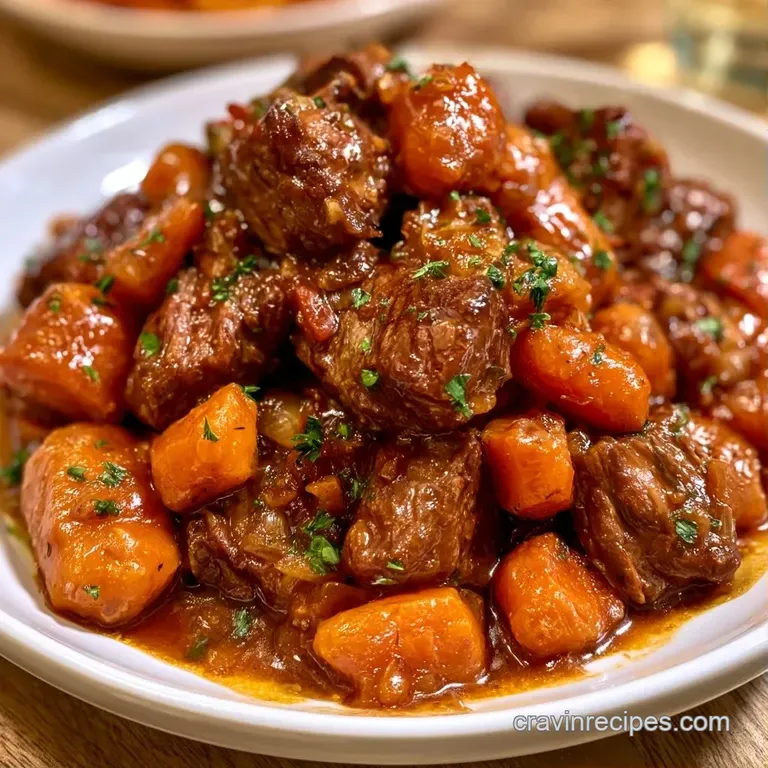
You really need a heavy bottomed pot for this. A cast iron Dutch oven is the gold standard because it holds heat evenly and can go from the stove to the oven without a fuss. If you don't have one, a deep oven safe skillet will work, but make sure it has a tight fitting lid.
A sturdy wooden spoon is a must. You'll be doing a lot of scraping to get the brown bits off the bottom, and a silicone spatula just doesn't have the grit for it.
From Prep to Plate
Phase 1: Creating the Foundation
- Pat the chuck steak portions completely dry with paper towels. Season generously with salt and pepper on all sides. Note: Dry meat browns better
- Heat 1 tbsp of olive oil in a Dutch oven over medium high heat until shimmering.
- Sear beef portions for 5-7 minutes per side without moving them until a deep, mahogany colored crust forms. Remove beef to a plate and set aside.
Phase 2: Building the Flavor Base
- In the same pot, sauté onions, carrots, and celery for 6-8 minutes until onions are translucent and edges are golden.
- Stir in the smashed garlic and tomato paste. Cook for 2 minutes while stirring constantly until the paste turns a rusty brick color.
- Pour in the red wine. Use a wooden spoon to scrape the brown fond from the bottom of the pot. Simmer for 3 minutes until the liquid is reduced by half.
Phase 3: The Slow Braise
- Return the seared beef and any accumulated juices to the pot.
- Pour in the beef bone broth and add thyme, rosemary, and bay leaves. Ensure the liquid reaches halfway up the meat.
- Cover and braise on low heat for 3 hours 10 mins until the beef is tender and fibers easily surrender to a fork.
Chef's Note: If the liquid reduces too much during the cook, just splash in a bit more broth. The goal is to keep the meat partially submerged.
Pro Tips & Pitfalls
One thing I've learned is that every piece of beef is different. Some chuck steaks are tougher than others. If you hit the 3 hour mark and the meat still feels bouncy or chewy, don't panic. Just put the lid back on and give it another 30 minutes.
Another common issue is the sauce consistency. If it feels too watery, you can remove the meat and simmer the liquid on high for 10 minutes to thicken it up.
Meat is still chewy
This usually means the collagen hasn't fully broken down. Give it more time in the pot.
Sauce is too thin
The liquid didn't reduce enough. Simmer the sauce without the lid at the end.
The burnt taste
This happens if the tomato paste or garlic burns during the sauté. Keep the heat medium and stir constantly.
| Problem | Fix |
|---|---|
| Chewy Beef | Braise for 30-60 mins longer |
| Watery Sauce | Reduce liquid on high heat |
| Bitter Flavor | Balance with a pinch of sugar |
Perfect Complements
Something to absorb that flavorful sauce is a must with Braised Chuck Steak. My go-to choices are wide egg noodles or a buttery garlic mash. For a lighter touch, blanched haricots verts or steamed asparagus offer a crisp texture that offsets the richness.
To finish, a piece of toasted sourdough is ideal for cleaning your plate.
How to Store and Keep Fresh
Keep remaining portions in an airtight vessel in the refrigerator for no more than 4 days. You might find it tastes even better the following day once the spices have fully melded with the beef.
For reheating, warm the beef and its sauce in a small saucepan on a low setting. Stir in a bit of liquid or stock to thin out the sauce, which tends to stiffen while chilled.
This recipe freezes beautifully. Store it in a freezer compatible bag for up to 3 months. Let it defrost in the refrigerator for a full night before warming it up on the stovetop.
Don't let the braising liquid go to waste; save it for later. Freeze the liquid in ice cube trays and drop a cube into a risotto or beef stew to add a rich depth of flavor.
Dietary Adaptations
For a more hands off approach, you can prepare a slow cooker version of this Braised Chuck Steak. Simply brown the meat first, then let everything cook in the crockpot on low for 8 hours.
If you need it even faster, an Instant Pot Braised Chuck Steak typically takes around 60-90 minutes using high pressure.
To make this Paleo or Whole30 compliant, replace the red wine with a splash of apple cider vinegar and some extra beef broth. The dish still tastes wonderful, though the sauce will be slightly less complex.
You can use a bottom round roast if you prefer a leaner cut, but exercise caution. Since it lacks the fat of a chuck steak, it can dry out more easily. Decrease the cooking time by roughly 30 minutes and keep an eye on the moisture levels. If you enjoy this method, you might also like my Slow Cooker Chuck Roast for larger groups.
The great thing about this Braised Chuck Steak is its versatility. Whether you choose the oven or a slow cooker, you'll end up with the same result: hearty, comforting beef that creates a cozy atmosphere. Just be patient while searing and simmering. Trust the process, and you'll have a meal that's a hit every time.
Recipe FAQs
Does chuck steak work well for braising?
Yes, it is an ideal choice. The high collagen content breaks down into gelatin during slow cooking, creating a tender texture and rich sauce.
How long should the beef braise?
Braise on low heat until the fibers easily surrender to a fork. This usually takes around 3 hours and 10 minutes of cooking time to ensure the connective tissue fully dissolves.
Why is my meat still tough after cooking?
The collagen hasn't fully broken down yet. Continue simmering on low heat, as tough cuts require consistent, low temperatures over time to become tender.
Can I replace red wine with a non-alcoholic liquid?
Yes, use additional beef bone broth. This maintains the rich flavor without the alcohol. If you enjoyed the savory depth here, you might like the flavor profile in these cheesesteak bowls.
Is it true that all fat must be trimmed before searing?
Actually, no. Leaving some fat provides flavor and prevents the meat from drying out during the long braising process.
What is the best way to store and reheat leftovers?
Chill in a sealed container and reheat gently on the stove. Adding a splash of beef bone broth helps maintain the moisture and prevents the beef from toughening.
Tender Braised Chuck Steak