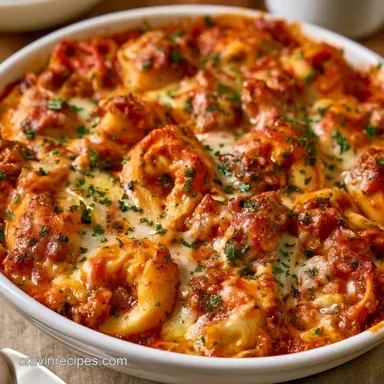
Tortellini Ground Beef Cream Cheese Bake
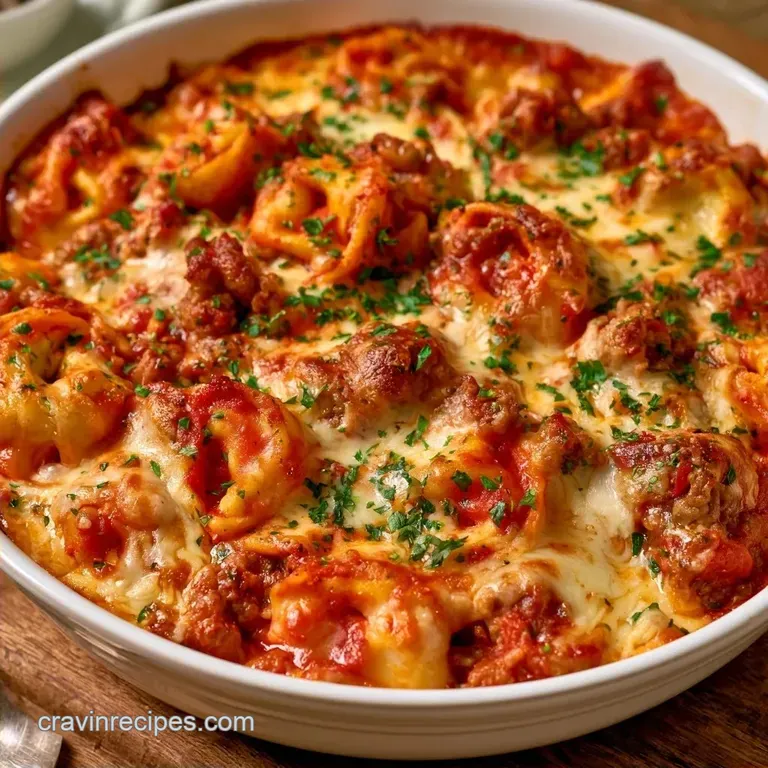
- Prep & Cook: 5 min active and 20 min cooking
- Taste Profile: Savory and creamy with a melted cheese topping
- Best for: Hectic weeknight family meals or a cozy dinner on a rainy day
Nothing beats the sound of ground beef searing in a hot pan. That initial sizzle, paired with the scent of diced onions softening in beef fat, truly makes a house feel like a home. I first whipped this up on a Tuesday when the kids were starving and I had absolutely no energy for a complex project.
I wanted the indulgence of a gourmet pasta bake without the commitment of standing over the stove for an hour.
This Tortellini Ground Beef Cream Cheese dish is exactly that. It is a hearty, warming meal that tastes like a slow cooked labor of love, though it actually comes together in about 25 minutes.
You get the deep savoriness of browned beef, a hint of tang from the cream cheese, and those cheese filled pasta pockets that make every bite better.
Expect a result that is thick and filling. Because the sauce isn't runny, it doesn't pool on the plate and disappear. Instead, it remains rich and hugs the tortellini, making it a foolproof winner for fussy children and hungry adults alike.
Hearty Tortellini Ground Beef Cream Cheese
Let's dive into the logic behind this method. I've dealt with my own share of sauce failures, some of which resembled curdled milk more than a proper pasta dish. Success comes down to managing the temperature and the liquids.
Softened Cheese: Tossing cold cream cheese into a searing pan can cause proteins to seize, resulting in grainy lumps. By using cheese at room temperature, it blends seamlessly into the beef broth and marinara almost immediately.
The Broth Bridge: Once you incorporate pasta and cheese, marinara can become overly thick. A bit of beef broth adjusts the consistency so it clings to the tortellini without becoming watery.
Testing from Serious Eats confirms that adding a small amount of liquid aids emulsification, ensuring the sauce sticks to the pasta.
Searing the Beef: Cooking the meat until it reaches a deep mahogany hue develops a richer flavor profile. If the beef remains gray, you miss out on the savory depth needed to balance the richness of the cream cheese.
If you enjoy this style, you might also enjoy my cream cheese tortellini for a quicker alternative.
Essential Ingredients List
To ensure success, you'll need a few specific ingredients. I recommend opting for full fat cream cheese, as low-fat alternatives often contain stabilizers that can cause the sauce to break or take on a "gelled" consistency when heated.
| Component | Purpose | Substitute Notes |
|---|---|---|
| Lean Ground Beef | Savory protein base | Ground turkey: Leaner, slightly milder flavor |
| Cream Cheese | Thickens and adds tang | Mascarpone: Richer and sweeter, less tang |
| Refrigerated Tortellini | Hearty pasta pillows | Frozen tortellini: Add 2-3 minutes to simmer time |
| Marinara Sauce | Acidic, tomato base | Tomato puree + Italian seasoning: More control over salt |
The Shopping List:
- 1 lb lean ground beef
- 20 oz refrigerated cheese tortelliniWhy this? Cooks faster than dried pasta
- 1 medium yellow onion, finely chopped
- 3 cloves garlic, minced
- 8 oz cream cheese, softenedWhy this? Essential for a smooth sauce
- 2 cups marinara sauce
- 1/2 cup beef broth
- 1/2 cup grated Parmesan cheese
- 1 cup shredded mozzarella cheese
- 2 tbsp fresh parsley, chopped
- 1/2 tsp red pepper flakes
- salt to taste
- black pepper to taste
Swap Ideas:
- Lean Ground Beef → Ground Pork (Adds a subtle sweetness and richness)
- Marinara → Vodka Sauce (For a creamier, peppery twist)
- Parmesan → Pecorino Romano (Stronger, saltier flavor)
- Beef Broth → Vegetable Broth (Works well, though slightly milder)
Basic Kitchen Tools
This recipe requires very few accessories, making cleanup quick and easy.
- Large Skillet: A 12 inch pan is ideal to ensure the beef browns properly instead of steaming in its own liquid.
- Spatula: A strong wooden or silicone tool to stir the meat and incorporate the caramelized residue from the pan.
- Baking Dish: Required only for the oven finished version. Use a 2 quart or 9x9 dish.
- Measuring Cups/Spoons: For accurately portioning the spices and broth.
Pro Tip: When using non-stick cookware, watch your temperature. Medium high heat is sufficient for browning without harming the pan's surface.
Cooking Process
Follow these steps to achieve the ideal texture. Use your senses of smell and sight to determine when to move to the next stage.
Phase 1: Searing the Beef
- Set a large skillet to medium high heat, then add the ground beef and diced onion.
- Sauté for 8-10 minutes until the beef is a deep mahogany and the onions become translucent, using a spatula to break the meat into small crumbles.
- Mix in the minced garlic and cook for 60 seconds until fragrant but not browned.
- Drain any leftover grease from the pan. Note: Too much fat can cause the cream cheese sauce to break.
Phase 2: Building the Creamy Base
- Reduce the heat to medium low. Pour in the beef broth and marinara sauce, stirring well to scrape the flavorful browned bits from the pan.
- Incorporate the softened cream cheese in small pieces. Stir for 2-3 minutes until the cheese is fully melted and the sauce has a uniform, velvety consistency.
- Fold in the Parmesan cheese, stirring until it is smooth and melted.
Phase 3: The Final Meld
- Gently fold in the refrigerated tortellini. Be careful not to tear the pasta and ensure every piece is thoroughly coated in the beefy cream sauce.
- Choose your finish:
- Stovetop: Simmer on low for 5-7 minutes until the tortellini is tender and heated through.
- Oven Bake: Transfer everything to a baking dish. Top with mozzarella and broil for 3-5 minutes until the cheese is bubbling and golden brown.
- Garnish with red pepper flakes and fresh parsley right before serving.
Key Techniques Explained
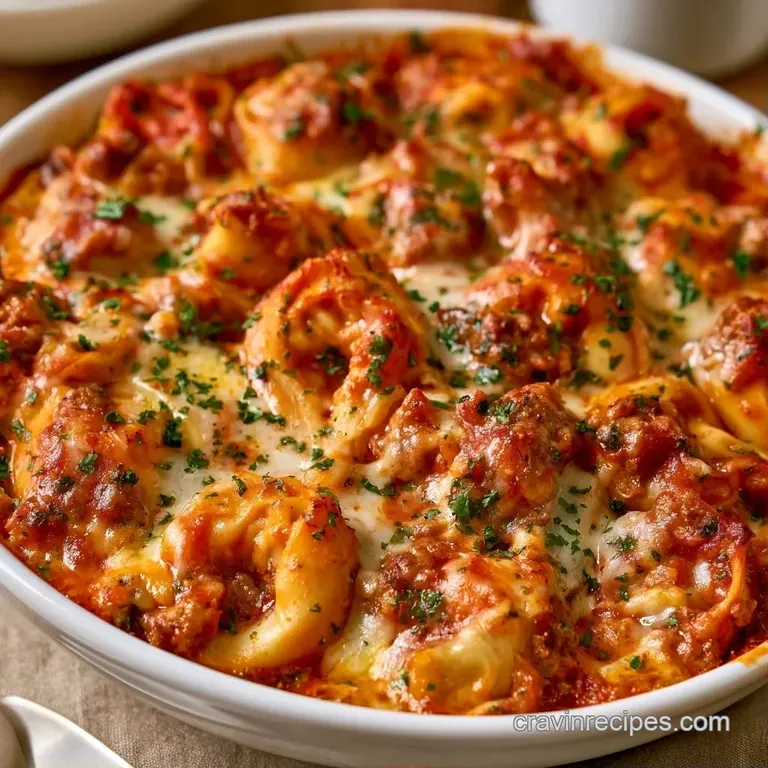
Achieving a creamy consistency rather than a dry one in pasta bakes typically depends on how you layer your ingredients.
The Emulsion: Combining the beef broth and marinara before stirring in the cheese establishes a stable liquid base. The cream cheese then serves as an emulsifier, blending the fats from the beef and the water from the sauce into a thick, unified glaze.
Pasta Hydration: Because refrigerated tortellini is partially cooked, it absorbs less liquid than dried varieties. This explains the smaller amount of broth; using dried pasta would cause the sauce to be absorbed by the noodles, resulting in a dry texture.
The Broil Finish: Broiling applies intense heat from above, allowing the mozzarella to develop a golden crust without overcooking the tortellini underneath.
Fixing Common Issues
Even the most basic dishes can run into trouble, usually due to temperature issues.
Fixing Broken Sauce
If the cheese separates or the sauce appears oily, your pan was likely too hot, which breaks the emulsion. To resolve this, whisk in a tablespoon of warm water or a splash of milk over low heat.
Avoiding Mushy Pasta
Tortellini can overcook quickly. For the stovetop method, stop cooking the moment the pasta feels tender. If you are baking the dish, keep in mind that the pasta continues to cook in the oven.
Managing Salt Levels
The marinara, beef broth, and Parmesan all contribute a lot of salt. I suggest tasting the sauce after adding the Parmesan but before the pasta goes in. If it tastes too salty, a pinch of sugar or a squeeze of lemon juice can balance the flavor.
| Problem | Fix |
|---|---|
| Sauce is grainy | Use room temp cream cheese and stir on low heat |
| Pasta is too soft | Reduce simmer time by 2 minutes |
| Sauce is too thick | Stir in an extra 2 tbsp of beef broth |
| Sauce looks oily | Drain beef grease more thoroughly before adding sauce |
Fridge and Freezer Tips
This Tortellini Ground Beef Cream Cheese pasta is actually one of those rare dishes that tastes better the next day. The flavors have more time to meld.
Refrigerator Storage: Place leftovers in an airtight container. It stays good for 3-4 days. When reheating, the sauce will likely have thickened into a solid block. Add a splash of water or beef broth before microwaving to loosen the sauce back up.
Freezer Instructions: I don't recommend freezing the stovetop version, as the tortellini can become mushy upon thawing. However, if you've made the bake version, you can freeze individual portions. Wrap them tightly in foil and freeze for up to 2 months.
Thaw in the fridge overnight before reheating in the oven at 350°F (175°C) for 20 minutes.
Zero Waste Tips:
- Onion Scraps: Save your onion peels and garlic ends in a freezer bag to make a homemade vegetable stock later.
- Leftover Marinara: If you have a bit of sauce left in the jar, freeze it in ice cube trays for a quick flavor boost in future soups.
- Parsley Stems: Don't toss the stems. Chop them finely and sauté them with the beef for extra flavor.
Custom Flavor Ideas
You can easily tweak this to fit whatever is in your pantry. I often change the protein depending on what's on sale.
Protein Swaps: - Ground Turkey or Chicken: Use a touch more salt and a pinch of paprika to make up for the lack of beefy depth. - Italian Sausage: Swap the beef for spicy Italian sausage. Skip the red pepper flakes in this case, as the sausage provides plenty of heat.
Veggie Add ins:
- Spinach: Stir in two handfuls of fresh baby spinach right at the end. It wilts in about 60 seconds and adds a nice pop of color.
- Mushrooms: Sauté sliced cremini mushrooms with the onions for an earthier taste.
- Zucchini: Small diced zucchini adds a bit of freshness.
Cheese Alternatives: - Provolone: Swap the mozzarella for provolone for a sharper, more "pizza like" flavor. - Ricotta: Stir in a dollop of ricotta along with the cream cheese for an even richer, more lasagna like texture.
If you prefer a slower approach for a crowd, my crockpot tortellini is a great way to let the flavors develop over several hours.
Decision Shortcut:
- Extra tang? → fold in 1 tsp lemon zest
- More heat? → double the red pepper flakes
- Lighter feel? → add 1 cup of steamed broccoli florets
Serving Suggestions
Since this dish is very rich, you need something to cut through that creaminess. A heavy pasta needs a bright, acidic partner.
Side Pairings:
- Arugula Salad: A simple bed of arugula with lemon vinaigrette and shaved Parmesan. The peppery greens balance the richness of the cream cheese perfectly.
- Roasted Broccoli: Toss broccoli in olive oil and salt, then roast at 400°F (200°C) for 15 minutes. The charred edges provide a great contrast to the smooth sauce.
- Garlic Bread: If you're going full comfort mode, a toasted baguette with garlic butter is the way to go.
Method Comparison:
| Feature | Stovetop Method | Oven Bake Method |
|---|---|---|
| Texture | Creamier, softer pasta | Golden crust, firmer edges |
| Time | 25 minutes total | 30 minutes total |
| Effort | One pan, minimal cleanup | Two dishes, slightly more cleanup |
| Vibe | Quick weeknight meal | Cozy family dinner |
Precision Checkpoints:
- Beef Color: Aim for a deep brown, not a light gray.
- Cheese Temp: Cream cheese must be soft enough to press a finger into easily.
- Internal Temp: USDA guidance puts the safe internal temperature for ground beef at 160°F.
One last thing: don't be afraid to be generous with the black pepper. The cream cheese can sometimes mute the other flavors, and a good amount of pepper wakes everything back up. Right then, you're ready to get cooking!
Critical Sodium Level
1180 mg 1180 mg of sodium per serving (51% 51% of daily value)
The American Heart Association recommends a daily limit of no more than 2,300 mg of sodium to maintain heart health and manage blood pressure.
Personalized Sodium Reduction Strategies
-
Swap the Broth-30%
Replace the beef broth with low-sodium or no-salt added beef broth to drastically cut hidden salt.
-
Eliminate Added Salt-25%
Remove 'salt to taste' entirely; the cheeses and marinara already provide ample seasoning.
-
Low-Sodium Marinara-20%
Use a no-salt added marinara sauce or make a quick homemade version using crushed tomatoes and herbs.
-
Moderate the Cheese-15%
Reduce the amount of Parmesan and mozzarella by half or use a low-sodium variety of cheese.
-
Pasta Alternative-15%
Switch refrigerated cheese tortellini for fresh homemade pasta or a lower sodium brand to reduce processed salt.
-
Boost Flavor Profiles
Increase the fresh parsley, garlic, and red pepper flakes to add depth and zest without adding sodium.
Recipe FAQs
Can you make tortellini sauce with cream cheese?
Yes, it blends with marinara to create a rich and velvety consistency. It adds a tangy creaminess that helps the sauce cling to the pasta.
What is the best way to prevent cream cheese from clumping in the sauce?
Use softened cream cheese and stir it in small chunks over medium low heat. This allows the cheese to melt smoothly without seizing into lumps.
How to turn this stovetop meal into a pasta bake?
Transfer the finished pasta to a baking dish and top with mozzarella. Broil for 3 to 5 minutes until the cheese is golden brown.
Is it true that refrigerated tortellini must be boiled before adding to the sauce?
That's a myth. The pasta simmers directly in the sauce for 5 to 7 minutes until it becomes tender.
Which sauce works best for beef tortellini?
A mixture of marinara, beef broth, and cream cheese creates the most satisfying result. This combination balances savory depth with a creamy finish.
Could I use a different pasta like orzo for this creamy beef sauce?
Yes, this sauce works well with smaller pasta shapes. You can apply the same simmering technique to our homemade orzo pasta for a different texture.
Does the ground beef need to be drained before adding the marinara?
Drain any excess grease after browning the beef and garlic. This prevents the final cream sauce from becoming overly oily.
Tortellini Ground Beef Cream Cheese