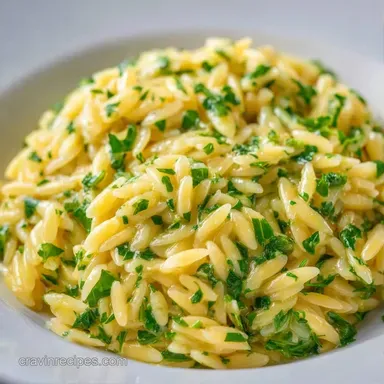
Butter Herb Orzo: Nutty and Savory
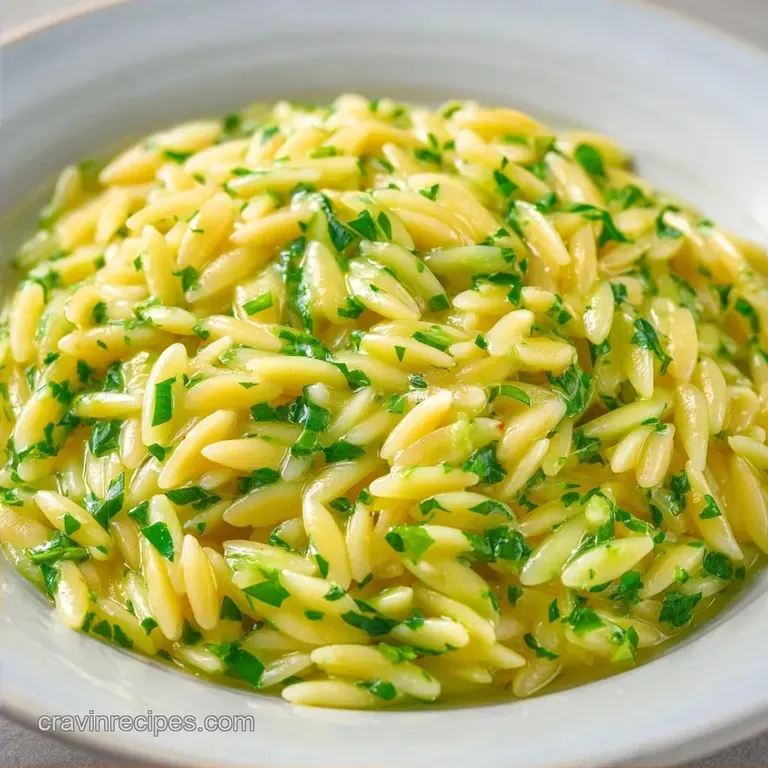
- Time: 5 min active + 15 min cook
- Flavor/Texture Hook: Nutty, savory, and silky
- Perfect for: Easy weeknight side dish
The Best Easy Butter Herb Orzo
I used to treat orzo like any other pasta, boiling it in a giant pot of water and draining it through a colander. The result was always a bit bland, and if I left it on the heat for even thirty seconds too long, it turned into a gummy mess. It felt like a chore to get the texture just right every single time.
Then I tried the pilaf method, and everything changed. Instead of boiling, you toast the dry pasta in butter first. I remember the first time the smell of toasted grain hit me, it reminded me of brown butter cookies.
This simple change means the pasta absorbs the broth directly, keeping all that flavor inside the grain instead of pouring it down the sink.
You can expect a side dish that feels rich but stays light thanks to the lemon juice. This Butter Herb Orzo doesn't require a lot of fancy gear or expensive ingredients. It's just a straightforward way to make a budget friendly pantry staple taste like something from a bistro.
Why Toasting the Pasta Matters
Forget the idea that you need to boil your pasta in water to get it right. When you toast the orzo, you're actually changing how the starch behaves. According to Serious Eats, toasting grains before adding liquid helps them maintain their shape and prevents them from clumping.
Nutty Flavor: Sautéing the dry grains in butter creates a toasted, savory taste that you can't get from boiling. Better Structure: The heat seals the outside of the grain, which keeps the Butter Herb Orzo from becoming a porridge.
| Method | Time | Texture | Best For |
|---|---|---|---|
| Stovetop | 20 mins | Tender & glossy | Quick weeknight meals |
| Oven Baked | 35 mins | Slightly crusty top | Large family gatherings |
What Each Ingredient Adds
I've found that you don't need a long list of ingredients to make this work. Each one has a specific job to do to keep the flavor balanced.
| Ingredient | What It Does | Best Swap |
|---|---|---|
| Orzo | Main base and texture | Risoni (nearly identical) |
| Unsalted Butter | Adds richness and toasts grains | Olive oil (lighter taste) |
| Broth | Infuses savory flavor | Water + bouillon cube |
| Parmesan | Adds salt and thickness | Pecorino Romano |
Basic Tools for This Dish
You don't need a professional kitchen for this. A medium saucepan with a tight fitting lid is the only "must have" here. I usually use a stainless steel pan because it distributes heat evenly, but non stick works fine too.
I also recommend a fine grater for the Parmesan. Pre shredded cheese often has cornstarch on it to prevent clumping, which can make your sauce a bit grainy. Grating it fresh ensures it melts right into the pasta.
Steps for Better Orzo
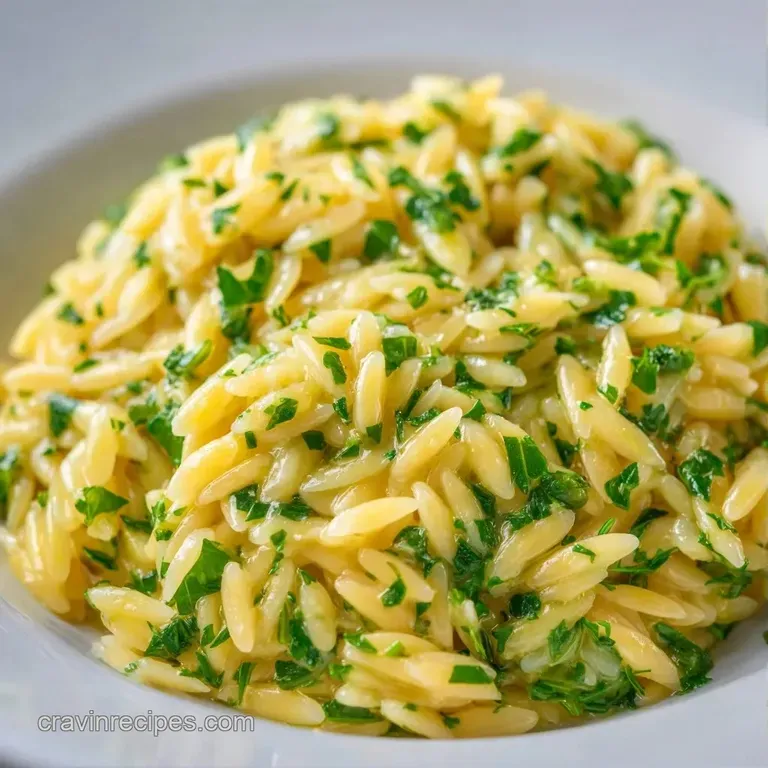
Right then, let's get into the actual cooking. This is a fast process, so have your herbs chopped and your broth measured before you turn on the stove.
- Melt 57g of butter over medium heat. Note: Don't let the butter brown too quickly or it will taste burnt.
- Add 200g dry orzo and stir constantly for 3-5 minutes until the grains turn a pale golden brown and smell nutty.
- Stir in 15g minced garlic during the last 60 seconds of toasting until it smells fragrant.
- Pour in 480ml broth and 3g salt.
- Bring the mixture to a gentle boil, then immediately turn the heat to low.
- Cover with a lid and simmer for 8-10 minutes, stirring once or twice, until the liquid is fully absorbed.
- Remove the pan from the heat.
- Stir in 25g Parmesan, 15ml lemon juice, 8g parsley, and 3g chives until the sauce is glossy.
Toasting for Depth
The key here is the constant stirring. If you leave the orzo alone, the bottom grains will burn while the top ones stay white. Keep them moving for those 4 minutes to get an even color.
The Controlled Simmer
Once you add the broth, the lid is your best friend. It traps the steam, which ensures the Butter Herb Orzo cooks evenly without you having to stand over the pan the whole time.
The Finish
Adding the cheese and lemon at the very end is a move I learned the hard way. If you boil the lemon juice, it loses that bright, fresh zip. The Parmesan creates a coating that binds everything together.
Fixing Common Orzo Issues
Even with a simple recipe, things can go sideways. Most issues come down to heat management or liquid ratios.
Orzo is Too Mushy
This usually happens if the heat was too high during the simmer or if you overcooked it. If it's already mushy, you can't "un cook" it, but adding a bit more Parmesan can help thicken the texture.
Liquid Hasn't Absorbed
If you still see broth at the bottom after 10 minutes, your lid might be leaking steam. Just take the lid off and simmer on medium for another 2 minutes to evaporate the extra liquid.
The Dish Feels Dry
If the pasta looks a bit matte or dry, stir in a tiny splash of warm broth or a small knob of butter right before serving.
| Problem | Root Cause | Solution |
|---|---|---|
| Gummy texture | Not toasted enough | Stir for a full 4 mins |
| Bland taste | Under salted broth | Add a pinch of salt at the end |
| Garlic burnt | Added too early | Add garlic in the final 60 seconds |
Swaps and Different Flavors
I love this Butter Herb Orzo because it's a blank canvas. If you're on a tight budget, using a bouillon cube instead of boxed broth works just as well.
Brown Butter and Sage
Instead of parsley and chives, let the butter cook until it's brown and foamy, then add fresh sage leaves. This version is a bit heartier and feels a bit more like a fall dish.
Zesty Lemon Garlic
Double the lemon juice and add some lemon zest. This makes the dish much brighter and works great if you're serving it with fish. If you want something extra creamy, you can stir in a tablespoon of my Sauce in 20 Minutes recipe for a tangy twist.
Vegan Friendly Swap
Use a high-quality vegan butter and nutritional yeast instead of Parmesan. The nutritional yeast provides that salty, cheesy funk without the dairy.
Gluten free Adaptation
You can use a gluten-free orzo made from corn or rice. Just be careful with the simmer time, as gluten-free pastas can go from "al dente" to "mush" much faster than wheat pasta.
Orzo Truths
There's a common belief that adding oil to the water prevents pasta from sticking. In reality, the oil just floats on top and doesn't do much. The real way to stop sticking is to stir occasionally and use the toasting method I've described here.
Another myth is that you need to rinse your pasta. Never rinse your Butter Herb Orzo. The starch on the outside of the grain is exactly what makes the sauce cling to the pasta. Rinsing it just washes away all that flavor.
Storage and Leftover Tips
Fridge Storage
Put your leftovers in an airtight container and they'll stay good for about 4 days. The pasta will soak up any remaining moisture as it sits, so it might look a bit stiffer when you open the container.
Reheating Tips
Don't microwave this on high power, or the butter will separate and look oily. Instead, add a teaspoon of water or broth, cover it with a damp paper towel, and heat it in 30 second bursts. This steams the grains back to life.
Zero Waste
If you have leftover parsley stems, don't throw them away. Chop them very finely and sauté them with the garlic, or throw them into your next batch of homemade stock.
What to Serve With It
Because it's a savory, buttery dish, this Butter Herb Orzo pairs best with proteins that have a bit of acidity to cut through the richness.
Roast Chicken Companion
This is a classic for a reason. A simple roasted chicken breast with skin on is a great match. For something a bit more fancy, I highly recommend serving it alongside some Chicken Piccata, as the capers and lemon in that dish mirror the flavors in the orzo.
Salmon or Cod
White fish or salmon seared in a pan works brilliantly. The mild flavor of the fish doesn't overpower the herbs in the pasta. If you're keeping it vegetarian, try some roasted carrots or sautéed spinach to add some color and nutrients to the plate.
Decision Shortcut:
- If you want a feast: Serve with roast chicken and steamed broccoli.
- If you want a light lunch: Serve with a side of arugula and a lemon vinaigrette.
- If you're meal prepping: Portion it out with grilled shrimp for an easy 15 minute dinner.
This Butter Herb Orzo is one of those recipes that proves you don't need a lot of effort to get a high-quality result. Just remember to toast those grains, keep your heat low during the simmer, and don't skip the fresh lemon juice at the end. It's a simple, budget friendly way to bring some comfort to the dinner table.
Recipe FAQs
What is a good substitute for orzo?
Use Arborio rice or acini di pepe. These options provide a similar small size and starchy texture to the final dish.
Can you make orzo without butter?
Yes, olive oil works well. Simply swap the butter for an equal amount of oil, or stir in a basic spice blend for added depth.
Can you replace orzo with brown rice?
No, the textures are too different. Brown rice requires a much longer cook time and will not emulsify with the Parmesan to create a glossy finish.
Can you substitute orzo for risotto?
Yes, it is an excellent shortcut. Orzo mimics the creamy consistency of risotto in a fraction of the cooking time.
How to turn this into an orzo salad?
Cool the cooked pasta completely before adding extra lemon juice and fresh herbs. This prevents the parsley and chives from wilting.
Is it true that orzo doesn't need to be toasted?
No, this is a common misconception. Toasting the dry grains in butter for 3 5 minutes is essential for achieving the signature nutty flavor.
How to ensure the orzo stays al dente?
Simmer on low heat for 8 10 minutes with the lid on. Remove the pan from heat immediately once the broth is fully absorbed.
Butter Herb Orzo