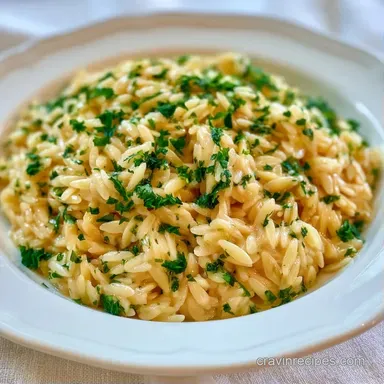
Perfect Orzo: Buttery and Nutty
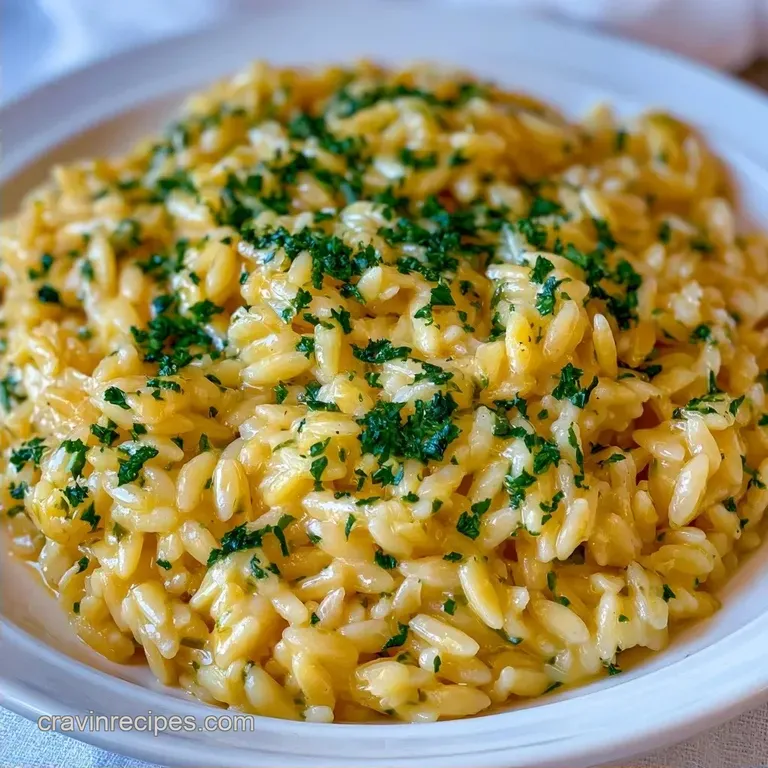
- Time: 5 min active + 15 min cooking
- Flavor/Texture Hook: Buttery, nutty, and rich
- Perfect for: Easy weeknight sides or family dinners
The smell of butter bubbling in a pan is where it all starts. I used to think this was just a rice substitute that you boiled in a giant pot of water, then drained through a colander. Honestly, that's a waste of time and flavor.
Forget the big pot of boiling water. You don't need to treat this like spaghetti. When you boil and drain it, you toss all that starchy, flavorful liquid down the sink.
Instead, we're using an absorption method. It's faster, uses fewer pots, and results in a side dish that tastes like it came from a bistro. Learning how to cook orzo this way changes the whole vibe of the meal.
How to Cook Orzo
Right then, let's talk about why we aren't just boiling this like regular pasta. Most people treat it like macaroni, but the goal here is a creamy, cohesive side. By simmering the grains in broth, the pasta absorbs all that savory goodness directly into the core.
The process is straightforward. We toast, we simmer, and we finish with a bit of acid and salt. It's a no fuss approach that works every time, even if you're rushing through a Tuesday night dinner.
If you're looking for a main to pair with this, it goes great with a Chicken Piccata recipe because the lemon notes in both dishes play off each other.
Why the Method Works
- The Toast: Browning the dry pasta in butter creates a toasted flavor and seals the surface, which helps the grains stay separate.
- Lid Control: Keeping the pot covered traps the steam, ensuring the top layer cooks as fast as the bottom.
The absorption method allows the starch to stay in the pot. This creates a natural creaminess without needing to add heavy cream or thickeners.
| Method | Time | Texture | Best For |
|---|---|---|---|
| Boil & Drain | 12 mins | Loose, clean | Pasta salads |
| Absorption | 15 mins | Creamy, rich | Warm side dishes |
Ingredient Role Breakdown
| Ingredient | What It Does | Best Swap |
|---|---|---|
| Unsalted Butter | Adds fat and nuttiness | Olive oil (lighter) |
| Chicken Broth | Infuses savory flavor | Vegetable broth |
| Parmesan | Adds salt and body | Pecorino Romano |
Ingredients & Substitutes
- 1 cup (200g) uncooked orzo pasta Why this? Standard shape for consistent cooking
- 2 tbsp (28g) unsalted butter Why this? Essential for the toasting phase
- 2 cups (480ml) chicken broth (low sodium) Why this? Adds depth over plain water
- ½ tsp (3g) kosher salt Why this? Enhances the broth flavor
- 1 tbsp (15ml) fresh lemon juice Why this? Cuts through the butter fat
- 2 tbsp (15g) fresh parsley, chopped Why this? Adds a fresh, green finish
- ¼ cup (25g) grated Parmesan cheese Why this? Provides a salty, umami kick
Making the Pasta
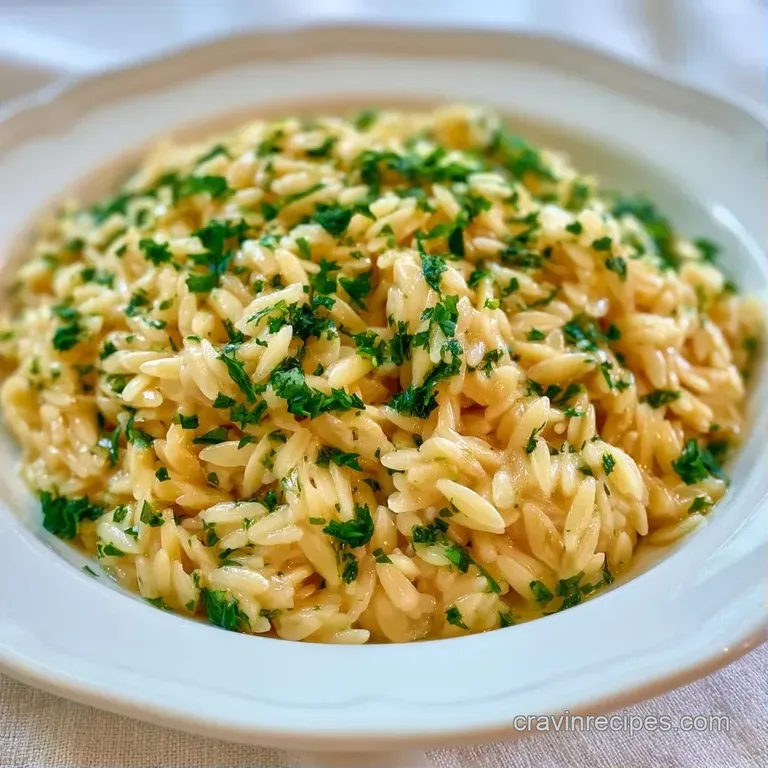
Let's crack on with the actual cooking. Make sure you have your broth measured out before you start, as the toasting happens fast.
- Place a saucepan over medium heat and melt the butter until it bubbles.
- Add the dry orzo and stir continuously for 3–5 minutes until the pasta turns light golden brown and smells nutty.
- Pour in the chicken broth and salt. Bring to a gentle boil, then immediately reduce heat to low.
- Cover the pot with a tight fitting lid and simmer for 8–10 minutes without lifting the lid. Note: Lifting the lid lets out the steam needed for the orzo water ratio to work.
- Remove from heat once the liquid is fully absorbed.
- Stir in the lemon juice, chopped parsley, and Parmesan cheese.
- Fluff gently with a fork to incorporate air and ensure a velvety texture.
Chef's Note: If you want a zesty twist, add a pinch of lemon zest along with the juice at the end. It brightens the whole dish.
Fixing Common Issues
One of the biggest hurdles when learning how to cook orzo is the texture. Because it's small, it can go from "just right" to "mushy" in about sixty seconds.
Troubleshooting Common Issues
| Issue | Solution |
|---|---|
| Why Your Orzo is Mushy | This usually happens if you use too much liquid or leave the heat too high during the simmer. If the liquid boils away too fast, the pasta overcooks before the core is done. |
| Why Your Orzo is Sticky | Stirring too much during the simmer phase releases excess starch. Treat it like risotto for the first few minutes, but then leave it alone once the lid goes on. |
| Why Your Orzo Tastes Bland | This is usually a salt issue. Since we use low sodium broth, the kosher salt is mandatory. If it's still flat, a tiny bit more lemon juice usually fixes it. |
For those who like to experiment with additions, you could pair a side of this with a Savory Finger Food Sauce for a more appetizer style spread.
Adjusting Serving Sizes
When you need to change the amount, don't just double everything blindly. Liquid behaves differently in larger volumes.
Scaling Down (½ Recipe) Use a smaller saucepan to prevent the butter from spreading too thin. Reduce the simmering time by about 20% since there's less mass to heat up. Beat one egg if adding a binder, then use half.
Scaling Up (2x-4x Recipe) If you're doubling the batch, only increase the salt and spices to 1.5x first, then taste. Increase the broth by 2x, but keep a close eye on the liquid level. Work in batches if your pot is too small, or the bottom layer will mush while the top stays hard.
- If you want it creamier, add an extra tablespoon of butter at the end.
- If you want it lighter, swap the butter for olive oil.
- If you want a main dish, stir in sautéed spinach and shrimp.
Pasta Myths Debunked
There's a lot of confusing advice out there about how to cook orzo. Let's clear a few things up.
Myth: Orzo is a type of rice. It's actually just pasta shaped like rice. This means it has a different starch structure. You can't treat it exactly like basmati or jasmine rice.
Myth: You should rinse the pasta after cooking. Never do this for this method. Rinsing washes away the starch that gives the dish its richness. Just fluff it with a fork and serve.
Myth: Searing the pasta "locks in" the flavor. Toasting doesn't seal the pasta, but it does create new flavor compounds through browning. It's about taste, not "locking" anything in.
Storage and Waste
You can keep this in an airtight container in the fridge for 3 4 days. It will thicken as it sits, which is normal.
To reheat it without drying it out, add a splash of water or broth to the pan. Heat it over low heat, stirring gently until it loosens up again. It doesn't freeze particularly well because the texture can get grainy, but if you must, it lasts about 1 month.
For zero waste, don't toss your leftover chicken broth. If you have a small amount left, freeze it in ice cube trays. You can pop one cube into future batches of orzo or use them to deglaze a pan when cooking meat.
Learning how to cook orzo using the absorption method saves you a dish and adds a ton of flavor. It's a hearty, comforting side that makes any family dinner feel a bit more special without requiring a lot of effort. Trust me, once you stop boiling and draining, you won't go back.
Recipe FAQs
How to cook orzo properly?
Melt butter, toast the pasta, and simmer in broth. Toast the orzo for 3 5 minutes until golden, then simmer covered in chicken broth for 8 10 minutes. Finish by stirring in lemon juice, parsley, and Parmesan.
What is the ratio of orzo to chicken broth?
Use a 1:2 ratio. For every 1 cup of uncooked orzo, use 2 cups of chicken broth to ensure the pasta absorbs the liquid without becoming mushy.
Why is my orzo sticky?
Stirring too often during the simmer phase releases too much starch. Treat the pasta like risotto during the initial toast, but leave the lid on and do not stir once the simmer begins.
Can you make orzo without butter?
Yes, you can omit it. While the butter adds a nutty toasted flavor, the orzo will still cook through correctly using only the chicken broth.
What is a good substitute for orzo?
Small pasta shapes like risoni or acini di pepe work best. If you enjoyed mastering the specific texture of small grains here, see how the same attention to crumb structure works in our peanut butter cookies.
Can I use this orzo for an orzo salad?
Yes, it works great chilled. Let the cooked orzo cool completely before tossing it with additional fresh parsley and lemon juice for a refreshing side dish.
Why did my orzo turn out mushy?
Too much liquid or excessive heat usually causes this. If the broth boils too aggressively, the outside of the pasta overcooks before the center is done.
How To Cook Orzo