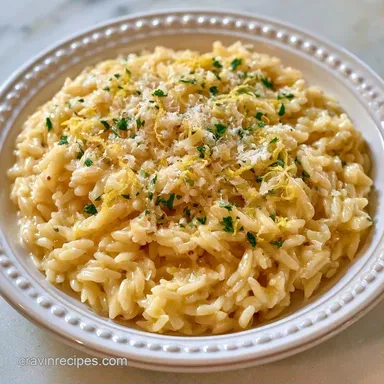
Lemon Parmesan Orzo: Rich and Glossy
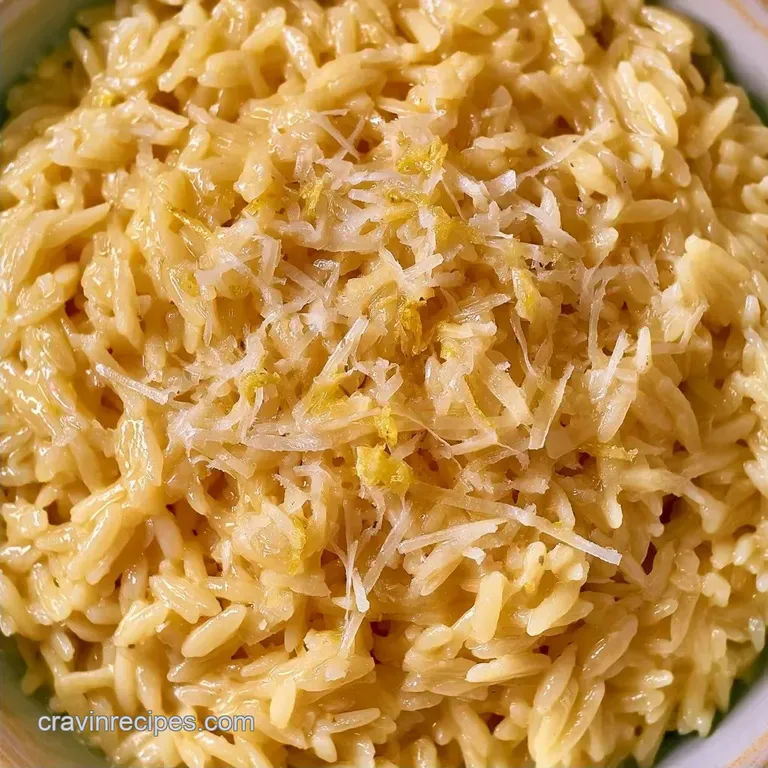
- Time: 5 min active + 15 min cook
- Flavor/Texture Hook: Bright citrus notes with a rich, glossy finish
- Perfect for: Weeknight dinners or a fast side for fish
The smell of butter foaming in a hot skillet always reminds me of Sunday lunches at my grandmother's place. She didn't follow recipes; she just cooked by feel and smell. That tradition of simple, heart warming food is exactly what this dish represents.
It feels like a warm hug from the Mediterranean, bringing together the brightness of a lemon grove and the saltiness of a mountain cheese.
I used to think orzo was just rice that pretended to be pasta, but once you learn how to treat it right, it becomes something entirely different. It's the ultimate comfort food for a family because it's fast and filling.
You don't need a bunch of fancy tools or hours of prep to get something that tastes like it came from a bistro.
This version of Lemon Parmesan Orzo balances the zing of fresh citrus with the richness of butter and cheese. It's creamy without needing a heavy hand with the cream. I've found that the simplest approach usually wins when you're feeding hungry kids or guests who just arrived unexpectedly.
Easy Lemon Parmesan Orzo For Busy Nights
Most people treat orzo like any other pasta, tossing it into a pot of boiling water and draining it. But that's where the flavor stays trapped in the water. When you toast the pasta first, you're creating a deeper, more complex base.
This method turns the starch into a thickener, meaning the sauce clings to the pasta rather than pooling at the bottom of the bowl.
Another common slip up is adding the cheese too early. If you boil the Parmesan, it can grain up or separate, leaving you with oily clumps. The trick is to remove the pan from the heat first. This lets the residual warmth melt the cheese into a smooth, glossy coating.
Finally, don't skip the lemon zest. The juice provides the sour hit, but the zest contains the aromatic oils that give the dish its floral, fresh scent. If you only use the juice, you lose about half the personality of the lemon.
Why the Toasting Matters:
- Nutty Base: Heating the dry pasta in fat browns the edges, creating a toasted flavor similar to brown butter.
- Starch Control: Simmering the pasta in broth instead of boiling it lets the starch stay in the pan, which naturally thickens the sauce.
| Fresh Approach | Shortcut Version | Impact | Savings |
|---|---|---|---|
| Homemade Chicken Stock | Low Sodium Broth | Deeper flavor vs. convenience | 15 mins prep |
| Freshly Grated Parm | Pre shredded Cheese | Smoother melt vs. grainy texture | 2 mins prep |
| Fresh Lemon | Bottled Lemon Juice | Brighter aroma vs. sharp acidity | 3 mins prep |
The Core Ingredients
Choosing the right components makes a difference in how the sauce behaves. For instance, using a high-quality butter with a bit more fat content helps the sauce emulsify better. According to USDA FoodData, Parmesan is rich in glutamates, which provides that savory "umami" hit that balances the sharp lemon.
Ingredient Deep Dive
| Ingredient | What It Does | Best Swap |
|---|---|---|
| Orzo | Provides a rice like texture | Arborio rice (needs more liquid) |
| Parmesan | Adds salt and creaminess | Pecorino Romano (saltier) |
| Lemon | Cuts through the fat | Lime (more tropical) |
| Broth | Builds the base flavor | Vegetable broth (for vegetarians) |
Full Ingredients List
- 2 tbsp unsalted butter Why this? Adds richness and helps toast the pasta
- 1 tbsp extra virgin olive oil Why this? Prevents butter from burning at high heat
- 1 cup uncooked orzo pasta Why this? Small shape absorbs broth quickly
- 3 cloves garlic, minced Why this? Adds a savory punch
- 2 cups low sodium chicken or vegetable broth Why this? Provides more flavor than water
- 1/2 tsp kosher salt Why this? Enhances all other flavors
- 1/4 tsp cracked black pepper Why this? Adds a subtle heat
- 1/2 cup freshly grated Parmesan cheese Why this? Creates the creamy emulsion
- 1 medium lemon, zested and juiced Why this? Essential for the bright, citrus finish
- 2 tbsp fresh flat leaf parsley, finely chopped Why this? Adds a fresh, herbal contrast
Basic Kitchen Tools
You don't need a professional kitchen to make this. A wide skillet or a sauté pan is your best friend here. You want plenty of surface area so the liquid evaporates at a steady rate. If you use a deep pot, the pasta on the bottom might get mushy before the top is cooked.
A sturdy wooden spoon or a silicone spatula is a must. You'll be stirring quite a bit during the toasting phase to make sure the grains don't burn. A microplane or a fine grater for the lemon zest and cheese also makes the process much faster.
Cooking Steps For Success
Right then, let's get into the actual cooking. I've found that keeping everything measured out before you turn on the stove prevents the garlic from burning while you're hunting for the lemon.
Phase 1: Sauté and Toast
- Place the skillet over medium heat. Melt the butter and olive oil together until the butter begins to foam.
- Add the dry orzo to the skillet. Stir constantly for 2-3 minutes until the orzo edges turn a light golden brown and smell nutty. Note: This is the most important step for flavor.
- Stir in the minced garlic for the last 30 seconds of toasting until fragrant but not brown.
Phase 2: Simmer and Absorb
- Pour in the broth, salt, and pepper. Bring to a gentle simmer, then reduce heat to low medium.
- Simmer for 8-10 minutes, stirring occasionally, until the liquid is mostly absorbed and the orzo looks plump. Note: Don't let it dry out completely; leave a bit of "saucy" liquid.
Phase 3: Emulsify and Brighten
- Remove the pan from the heat. Fold in the grated Parmesan, lemon juice, and lemon zest until the cheese is completely melted and the sauce is velvety and glossy.
- Stir in the fresh parsley just before serving.
Chef's Tip: For a deeper flavor, try adding a pinch of smoked paprika or a teaspoon of miso paste to the broth. It adds a hidden layer of richness that people can't quite put their finger on.
Fixing Texture And Taste

Even the best home cooks hit a snag occasionally. Usually, it comes down to the ratio of liquid to pasta or the heat of the pan. If you've overcooked your pasta, it's hard to reverse, but you can often save the sauce.
Why Your Orzo Is Mushy
This usually happens if the heat was too high and you stirred too aggressively, breaking the grains. , you might have used too much broth. To fix it, let the pan sit off the heat for 5 minutes to let the remaining starch set.
Why Your Cheese Clumped
Clumping happens when the pan is too hot. If the cheese hits boiling liquid, the proteins tighten and separate from the fat. Always pull the skillet off the burner before stirring in the Parmesan.
| Problem | Root Cause | Solution |
|---|---|---|
| Too Dry | Not enough broth or simmered too long | Stir in 2 tbsp of warm broth or water |
| Too Sour | Lemon juice was too strong | Stir in an extra tbsp of butter or Parmesan |
| Bland Taste | Not enough salt in the broth | Add a pinch of salt or a squeeze more lemon |
Adding Your Own Twist
Once you've got the hang of this Lemon Parmesan Orzo, you can start playing with the additions. I love adding a handful of baby spinach at the very end. The residual heat wilts the leaves in about 30 seconds without overcooking them.
If you want something more substantial, you can turn this into a full meal. I often stir in some sautéed shrimp or grilled chicken. If you're looking for other ways to use this pasta, my One Pot Orzo Pasta is another great way to keep things simple.
Quick Customization Guide
- For a Pop of Color: Stir in frozen peas during the last 2 minutes of simmering.
- For a dairy-free Alternative: Use nutritional yeast and a splash of coconut milk instead of Parmesan.
- For Extra Zest: Add a pinch of red pepper flakes during the garlic toast for a subtle kick.
Scaling The Batch
If you're cooking for a crowd, don't just double everything blindly. Liquid doesn't always scale linearly in a pan because the evaporation rate changes.
Scaling Down (½ Batch) Use a smaller skillet. Reduce the simmer time by about 20% since the liquid will heat up and evaporate faster. I recommend beating one egg and using half of it if you're adding an egg based binder to a variation.
Scaling Up (2x-4x Batch) Increase the butter and oil, but only increase the salt and pepper to 1.5x. You can always add more later, but you can't take it out. I suggest working in batches if your pan isn't huge; otherwise, the orzo on the bottom will mush before the top is done.
Common Pasta Beliefs
There are a few things people say about pasta that just aren't true. For one, some people think you should rinse your pasta after cooking. Please, don't do this with orzo. Rinsing washes away the starch that makes this recipe creamy.
Another myth is that toasting the pasta "seals" the starch. In reality, toasting is about flavor and texture. As Serious Eats often highlights, browning the pasta creates new flavor compounds through the Maillard reaction, which is what gives this dish its depth.
Storage And Waste Tips
Storage Guidelines Keep leftovers in an airtight container in the fridge for up to 3 days. The pasta will absorb more liquid as it sits, so it will likely be a bit stiff when you take it out.
How to Reheat Don't microwave it on high, or you'll get rubbery pasta. Instead, put it in a small pan over low heat and add a splash of water or broth. This loosens the sauce and brings back that glossy finish.
Zero Waste Tips Don't throw away the lemon rinds! I put them in a jar with vinegar to make a quick citrus cleaner for my countertops. If you have leftover Parmesan rinds, toss them into your next pot of soup or broth for an instant flavor boost.
Best Ways To Serve
This dish is versatile. It works as a standalone lunch or a side. For a full dinner, it pairs perfectly with Chicken Piccata, as the capers and lemon in the chicken mirror the flavors in the pasta.
If you want something lighter, serve it alongside roasted asparagus or a crisp arugula salad. The bitterness of the greens cuts through the richness of the Parmesan. It's a simple, no fuss meal that makes everyone feel taken care of without keeping you in the kitchen all night.
Recipe FAQs
What does the lemon add to this orzo dish?
It provides essential acidity. The lemon juice and zest cut through the richness of the Parmesan and butter, balancing the savory flavors.
How to prevent the orzo from becoming mushy?
Toast the dry pasta in butter and olive oil first. Stir constantly for 2-3 minutes until the edges are golden brown, which creates a protective barrier and adds a nutty flavor.
Can I make this recipe without butter?
Yes, you can use more olive oil. Simply replace the 2 tablespoons of butter with an equal amount of olive oil to maintain the fat ratio needed for toasting.
What is a good substitute for orzo?
Risoni or acini di pepe are the closest matches. If you enjoy these bold, savory profiles, you might also like our savory finger food sauce for other appetizers.
Is it true that orzo is a type of rice?
No, this is a common misconception. Orzo is actually a short cut pasta made from durum wheat, specifically shaped to look like large grains of rice.
Can this be served cold as an orzo salad?
Yes, it works well chilled. Because the pasta absorbs more liquid as it sits, stir in a tiny bit of extra lemon juice or olive oil before serving cold to loosen the texture.
How to reheat leftover orzo without it getting rubbery?
Heat in a small pan over low heat. Add a splash of water or broth to loosen the sauce and restore the glossy, velvety finish.
Lemon Parmesan Orzo