One Pot Creamy Orzo with Garlic
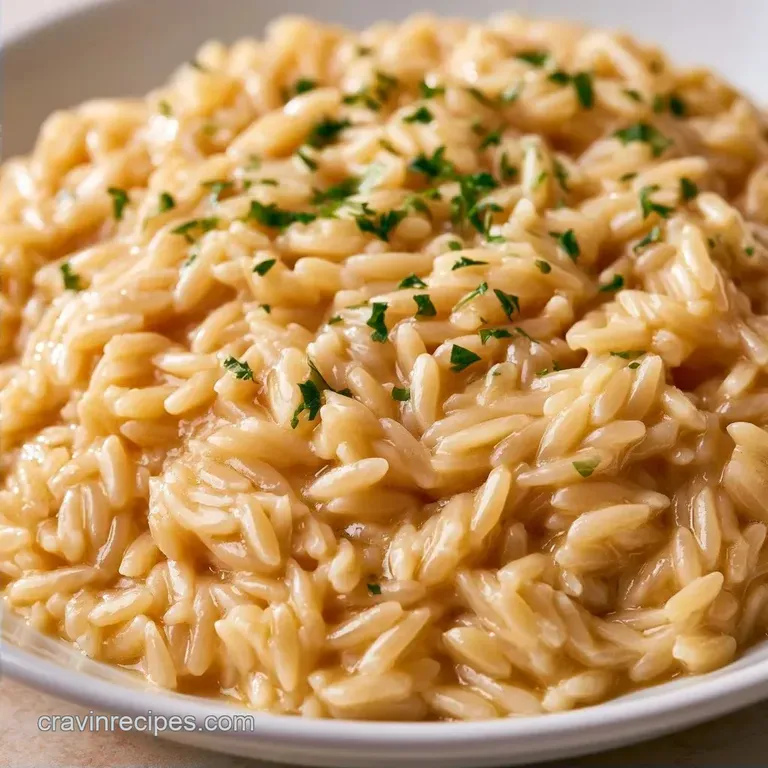
- Time: 10 min active + 20 min cook
- Flavor/Texture Hook: Glossy, rich, and slightly lemony
- Perfect for: Quick weeknight dinners or a hearty side
Think of the way Greek families treat kritharaki. It's not just a small pasta, it's a warm hug in a bowl. In many Mediterranean homes, this kind of dish represents the transition from a simple side to a main event, often slow simmered until the grains are tender and the sauce is thick.
I remember the first time I tried making this. I treated it like regular pasta, boiling it in a separate pot and then tossing in the cream. It was fine, but it lacked that deep, integrated flavor you get when the pasta cooks in the sauce.
Once I started toasting the grains in butter, everything changed. This Creamy Orzo isn't just about the dairy, it's about how the pasta releases its own starch into the broth to build a natural thickness. It's pure comfort food that feels like a fancy risotto but takes a fraction of the effort.
Tips for Success
To get this right, you have to embrace the sizzle. Most people just dump the pasta in with the liquid, but that's where they lose the flavor. You want to hear that light popping sound as the butter foams and the orzo turns a pale gold.
The timing on the liquid is also where things can go sideways. If you boil it too hard, the liquid vanishes before the pasta is soft. Keep it at a gentle simmer. You're looking for a slow absorption, not a rapid evaporation.
Another thing I've learned is to be generous with the stirring during the final phase. When you add the cheese and cream, stir it vigorously. This helps the fat and the starch bind together, making the Creamy Orzo glossy instead of greasy.
- Toasting Grains
- Browning the orzo first adds a nutty depth and helps the grains stay distinct.
- Starch Release
- Stirring during the simmer pushes starch out of the pasta and into the liquid.
- Acid Balance
- Adding lemon juice at the very end cuts through the heavy fat of the cream and cheese.
| Method | Prep Time | Texture | Best For |
|---|---|---|---|
| Fast (One Pot) | 10 minutes | Integrated & Thick | Weeknight Meals |
| Classic (Boiled) | 20 minutes | Lighter & Looser | Traditional Sides |
Ingredient Deep Dive
Getting the right proportions is what makes this a Pot Creamy Orzo and not a soup. The ratio of broth to pasta is the most important part of the whole process.
| Ingredient | What It Does | Best Swap |
|---|---|---|
| Orzo Pasta | Provides the base and thickening starch | Pearled couscous (adjust liquid) |
| Chicken Broth | Adds savory depth and cooks the grain | Vegetable broth (for vegetarian) |
| Parmesan | Adds salt and binds the sauce | Pecorino Romano (saltier) |
| Heavy Cream | Creates the rich, smooth finish | Full fat coconut milk (nutty) |
Shopping List Breakdown
Grab these items from your local store. I suggest getting a block of Parmesan and grating it yourself, as the pre shredded kind is coated in potato starch and doesn't melt as smoothly into the Creamy Orzo.
- Unsalted butter (2 tbsp)Why this? Controls the salt level.
- Olive oil (1 tbsp)Why this? Prevents butter from burning.
- Small yellow onion, finely diced (1)Why this? Mild, sweet base.
- Garlic, minced (4 cloves)Why this? Essential aromatic punch.
- Kosher salt (1 tsp)Why this? Coarser grain for easier measuring.
- Uncooked orzo pasta (1.5 cups)Why this? Rice shaped pasta for texture.
- Low sodium chicken broth (3 cups)Why this? Avoids over salting the dish.
- Heavy cream (0.5 cup)Why this? Provides the signature richness.
- Black pepper (0.25 tsp)Why this? Subtle heat.
- Freshly grated Parmesan cheese (0.5 cup)Why this? Nutty, salty finish.
- Fresh baby spinach (2 cups)Why this? Adds color and nutrients.
- Fresh lemon juice (1 tbsp)Why this? Brightens the heavy flavors.
- Fresh parsley, chopped (2 tbsp)Why this? Fresh, grassy garnish.
Equipment Needed
You don't need a fancy kitchen for this. A wide, deep skillet or a heavy bottomed pot works best because it allows the liquid to evaporate evenly.
I prefer a 12 inch stainless steel skillet. The wide surface area means you can stir the Creamy Orzo without it splashing over the sides. You'll also need a sturdy wooden spoon or a silicone spatula for the stirring phases.
A fine grater or a microplane is a must for the cheese. If you use large chunks, they'll clump together instead of melting into a smooth sauce.
Step-by-step Instructions
This is a plan based flow. We start with the aromatics, move to the grain, simmer, and then finish with the emulsions.
Phase 1: The Sauté & Toast
- Heat the butter and olive oil in your skillet over medium heat until the butter is foaming.
- Add the diced onion and sauté for 3-4 minutes until they look translucent and soft.
- Stir in the minced garlic and dry orzo. Stir constantly for 2-3 minutes until the grains smell nutty and look light golden brown. Note: Don't walk away here or the garlic will burn.
Phase 2: The Controlled Simmer
- Pour in the chicken broth and add the salt and pepper.
- Bring the mixture to a gentle boil, then immediately reduce the heat to low.
- Simmer uncovered for 10-12 minutes, stirring occasionally, until the orzo has absorbed most of the liquid and is tender. Note: It should have a slight bite, like al dente pasta.
Phase 3: The Creamy Emulsion
- Stir in the heavy cream and grated Parmesan cheese. Stir vigorously for 1-2 minutes until the sauce becomes glossy and thick.
- Fold in the fresh baby spinach and stir for about 60 seconds until the leaves have wilted into the pasta.
- Remove from heat and stir in the lemon juice and fresh parsley.
Chef's Note: If the sauce looks too thick after adding the cheese, splash in a tablespoon of warm broth or water to loosen it back up.
Fixing Common Problems
Even when you're careful, the texture of a Pot Creamy Orzo can be tricky. Most issues come down to heat management or the timing of the dairy.
Troubleshooting Common Issues

| Issue | Solution |
|---|---|
| Why Your Pasta Is Too Thick | If the liquid disappears too fast, the grains can become mushy on the outside but hard on the inside. This usually happens if the heat was too high during the simmer. |
| Why Your Sauce Is Greasy | A "broken" sauce happens when the cheese is added to a boiling pot. The high heat separates the fat from the solids. |
| Why Your Grains Are Undercooked | If you see liquid but the orzo is still crunchy, you simply need more time. Keep the heat low and simmer for another 2-3 minutes. Just keep an eye on it so it doesn't dry out. |
Flavor Variations
One of the best things about this dish is how easily it adapts. Once you have the base for a Creamy Orzo, you can take it in a dozen different directions.
For a more substantial meal, try a "Tuscan Chicken" twist. Brown some seasoned chicken breast in the pan before you start the onions, remove it, and then stir it back in at the end. You can also add sun dried tomatoes and kalamata olives for a salty, Mediterranean punch.
If you want something lighter, go the "Primavera" route. Swap the spinach for frozen peas and diced carrots. For those who prefer a different pasta base, you can try making your own homemade orzo pasta for a more artisanal feel.
For a savory sausage version, use crumbled Italian sausage instead of butter for the base. The rendered fat from the sausage makes the Creamy Orzo incredibly rich and hearty.
Adjusting the Batch Size
Scaling this recipe requires a few tweaks to ensure the liquid ratio stays correct. You can't just double everything and expect the same result.
Scaling Down (1/2 Batch): Use a smaller 8 inch skillet. Because there is less liquid, it will evaporate faster, so reduce the simmer time by about 20%. I recommend beating one egg in a separate bowl and using half of it if you're adding a binder, though this recipe doesn't require one.
Scaling Up (2x Batch): Don't double the salt and spices immediately. Start with 1.5x the salt and pepper, then taste at the end. Use a very large pot or a Dutch oven. The liquids can be reduced by about 10% because a larger mass of pasta retains more internal moisture.
If you're baking a version of this in the oven, lower the temperature by 25°F and extend the cook time to prevent the edges from drying out.
Kitchen Myths
There are a few things people say about pasta that just aren't true. Let's clear those up so you can cook with confidence.
Myth: You must rinse the orzo after boiling. Rinsing removes the starch. In a Creamy Orzo, that starch is exactly what makes the sauce stick to the pasta. Never rinse it unless you're making a cold pasta salad.
Myth: Searing the pasta "locks in" the flavor. Searing doesn't lock anything in. Instead, it creates new flavors. The toasting process creates a nutty aroma through browning, which adds a layer of complexity you won't get from boiling alone.
Myth: Adding oil to the water prevents sticking. Oil just floats on top of the water. It doesn't stop the pasta from sticking. The real way to prevent sticking in this recipe is consistent, gentle stirring.
Storage Guidelines
This dish is great for leftovers, but it does change in the fridge. The pasta will continue to absorb the sauce, meaning your Creamy Orzo will be much thicker the next day.
In the Fridge: Store in an airtight container for up to 4 days. To reheat, add a splash of milk or chicken broth and warm it over low heat on the stove. This brings back that silky texture.
In the Freezer: I don't recommend freezing this. The heavy cream and Parmesan can separate, leaving you with a grainy texture once thawed.
Zero Waste Tips: If you have leftover onion or garlic scraps, toss them into a freezer bag for making homemade veggie stock. If you have a bit of leftover Creamy Orzo that's too thick to eat, stir in a spoonful of Greek yogurt to freshen it up.
Pairing Ideas
Since this is a rich, hearty dish, you want sides that provide a bit of contrast. Something acidic or crunchy balances the weight of the cream.
A crisp arugula salad with a simple lemon vinaigrette is the best match. The bitterness of the greens cuts through the fat of the Parmesan. You could also serve this alongside grilled asparagus or roasted Brussels sprouts.
If you're serving this as a side for a larger meal, it pairs well with seared scallops or a lemon butter salmon. For a dipping option, a side of toasted sourdough bread is great for soaking up every last bit of the sauce. If you need a quick accompaniment, a savory sauce on the side can add an extra layer of zest.
Whether you keep it simple or add chicken and sausage, the beauty of Creamy Orzo is its versatility. It's a no fuss meal that feels special, making it a staple for anyone who loves comfort food. Just remember to toast those grains, keep your heat low, and stir in that cheese at the very end for the best results.
High in Sodium
910 mg 910 mg of sodium per serving (40% 40% of daily value)
The American Heart Association recommends a daily sodium limit of no more than 2,300 mg for most adults to maintain heart health.
Tips to Reduce Sodium
-
Swap the Broth-30%
Replace the low-sodium chicken broth with homemade unsalted broth or water infused with fresh herbs to significantly cut salt.
-
Omit Added Salt-25%
Completely remove the 1 tsp of kosher salt; the Parmesan and broth already contribute substantial saltiness.
-
Reduce Parmesan-15%
Reduce the Parmesan cheese to 0.25 cup or substitute with a small amount of nutritional yeast for a similar nutty flavor.
-
Enhance with Acid and Herbs
Increase the fresh lemon juice and parsley to brighten the flavors, making the dish taste savory without extra sodium.
Recipe FAQs
Can you make orzo without butter?
Yes, you can use additional olive oil. Increasing the olive oil allows you to sauté the onions and garlic effectively while maintaining the necessary fat for the sauce.
Can you substitute orzo for risotto?
Yes, it provides a similar creamy texture with less effort. While it differs from Arborio rice, it mimics the risotto experience. If you enjoy this one-pot method, the same efficient approach is used in our beef pasta recipe.
Can you replace orzo with brown rice?
No, the textures and cook times are too different. Brown rice requires significantly more liquid and a much longer simmering time than the 10-12 minutes required for the orzo to become tender.
Why toast the orzo before adding liquid?
It creates a deeper, nutty flavor profile. Stirring the dry pasta in butter and oil for 2-3 minutes until golden brown prevents the finished dish from tasting bland.
How to reheat this cream based pasta?
Add a splash of chicken broth. Warm the dish over low heat on the stove to restore the silky consistency, as the pasta continues to absorb sauce while refrigerated.
Can I freeze this creamy orzo?
No, it is not recommended. The heavy cream and Parmesan cheese often separate during the freezing and thawing process, which leaves you with a grainy texture.
What to do if the sauce becomes too thick?
Stir in a small amount of additional chicken broth. Add the liquid one tablespoon at a time over low heat until the sauce becomes glossy and thick again.
One Pot Creamy Orzo