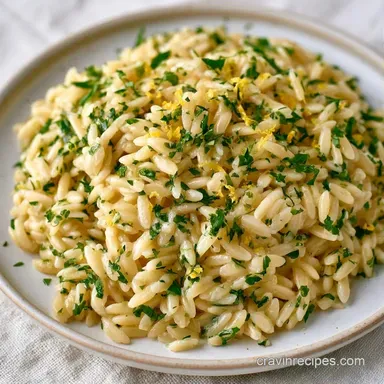
Lemon Herb Orzo: Zesty and Tender
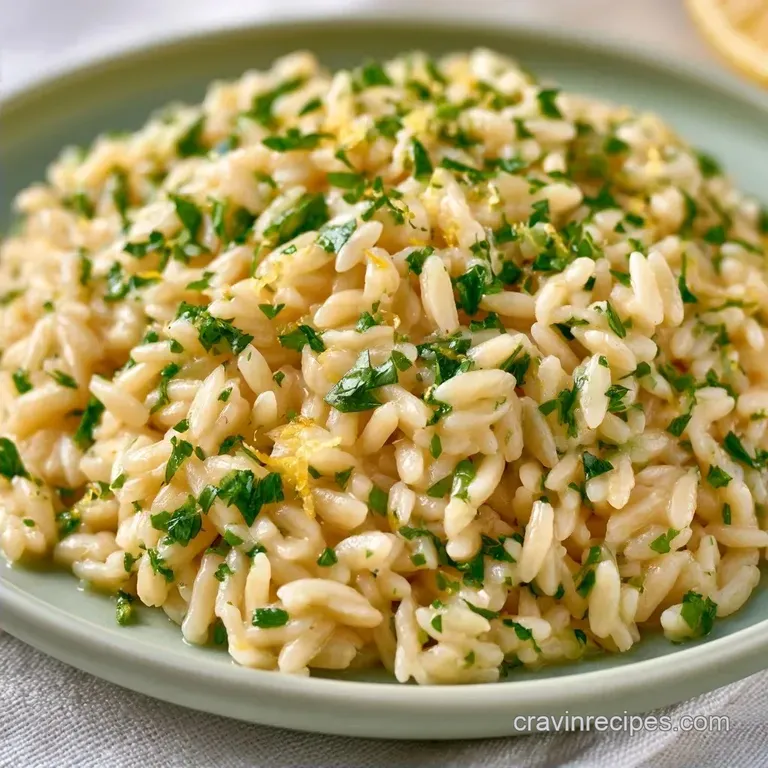
- Time: 5 min active + 12 min cook
- Flavor/Texture Hook: Zesty, buttery, and tender
- Perfect for: Fast weeknight sides or meal prep
The smell of butter foaming in a pan is usually where a great meal starts. But for too many of us, orzo ends up as a gummy, sticky clump that looks more like porridge than pasta. I've been there, staring at a pot of overcooked grains that lost every bit of their individual shape because I treated them like rice.
The fix is actually pretty simple: you have to treat the orzo like a risotto. By frying the dry pasta in fat first, you create a barrier that keeps the grains separate and adds a deep, toasted flavor. This Simple Lemon Orzo Recipe focuses on that one specific move to make sure you get a light, fluffy result every time.
Whether you're serving this as a Lemon Herb Orzo Side or using it as a base for grilled fish, the goal is a bright, clean taste. We aren't looking for a heavy sauce here, just a punchy hit of lemon and a handful of fresh greens to keep it feeling fresh.
Easy Lemon Herb Orzo
Right then, let's get into why this specific method beats the standard boiling method. When you boil orzo in a huge pot of water and drain it, you wash away a lot of the starch that could actually be helping the texture.
By using the absorption method, the pasta drinks up the chicken or vegetable broth, locking that savory flavor directly into the grain.
It's a no fuss way to get a lot of depth without spending an hour at the stove. I love this approach because it only uses one pan, which means less cleaning up after dinner. Trust me, once you start toasting your pasta, you'll never go back to the colander.
Why This Actually Works
I'm not a scientist, but I've spent enough time in the kitchen to see what happens when you change the order of operations. Here is the logic behind the steps.
- The Toasting Step: Frying the dry orzo in butter and oil seals the outside of the grain. This prevents the pasta from releasing too much starch too quickly, which is what causes that dreaded gummy texture.
- Late Acid Addition: Adding lemon juice at the very end keeps the flavor sharp. If you simmer the lemon juice for 10 minutes, the heat kills the brightness and leaves you with a dull, muted taste.
- Broth Absorption: Cooking the pasta directly in broth instead of water ensures every single grain is seasoned from the inside out.
Since you have a choice in how you cook this, here is a quick look at the two main ways to handle orzo.
| Method | Time | Texture | Best For |
|---|---|---|---|
| Stovetop | 17 mins | Tender & Nutty | Quick weeknight meals |
| Oven | 25 mins | Even & Fluffy | Large crowds/Parties |
What Each Ingredient Does
Not every ingredient is just there for filler. Each one has a job to do in this Lemon Herb Orzo.
| Ingredient | What It Does | Best Swap |
|---|---|---|
| Unsalted Butter | Adds richness and toasts the grain | Ghee (for higher smoke point) |
| Chicken/Veg Broth | Provides the primary seasoning | Water + extra salt (blander) |
| Lemon Juice | Cuts through the butter fat | White wine vinegar (sharper) |
| Parmesan Cheese | Adds salt and a creamy bind | Pecorino Romano (saltier) |
Gathering Your Essentials
For this recipe, we keep it simple. I suggest using a medium sized skillet or a wide saucepan. You want enough surface area so the orzo can toast evenly without piling up too deep.
- 1 tbsp (14g) unsalted butter
- 1 tbsp (15ml) extra virgin olive oil
- 1 small (50g) shallot, finely minced Why this? Milder and sweeter than a regular onion
- 2 cloves (6g) garlic, minced
- 1 cup (200g) uncooked orzo pasta Why this? Small rice shaped pasta that absorbs liquid well
- 2 cups (480ml) low sodium chicken or vegetable broth
- ½ tsp (3g) kosher salt
- 1 medium (30ml) lemon, freshly juiced
- 1 tsp (2g) lemon zest, finely grated
- ¼ cup (10g) fresh Italian parsley, chopped
- 2 tbsp (8g) fresh dill or chives, chopped
- ⅓ cup (30g) freshly grated Parmesan cheese Why this? Adds a savory, salty finish
- ¼ tsp (1g) cracked black pepper
The Best Tools
You don't need a fancy kitchen to make this happen. A couple of basic tools will do the trick.
- Non stick skillet or saucepan: This is the main vessel. A non stick surface is helpful here since orzo loves to cling to the bottom of the pan during the simmer.
- Fine mesh grater: For the lemon zest and the Parmesan. Pre shredded cheese often has cornstarch on it to prevent clumping, which can make your Lemon Herb Orzo a bit grainy.
- Wooden spoon or silicone spatula: You'll be stirring the dry pasta constantly for a few minutes, so something that can scrape the bottom of the pan well is key.
Step by step Cooking
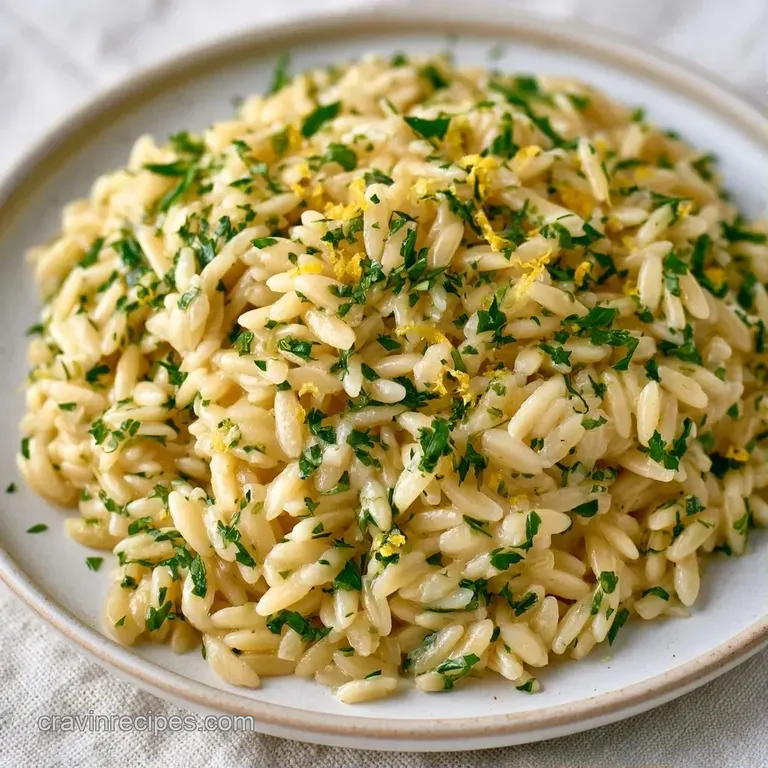
Let's crack on with the actual cooking. Keep an eye on the colors and smells, as those are your best guides.
- Heat the butter and olive oil over medium heat. Wait until the butter is foaming before moving forward.
- Add the minced shallots. Sauté for 2 minutes until they look translucent and smell sweet.
- Stir in the garlic and the dry orzo. Stir constantly for 2-3 minutes until the grains smell nutty and look golden and sandy. Note: This is the most important step for texture.
- Pour in the broth and stir in the salt.
- Bring the mixture to a gentle simmer, then immediately turn the heat down to low.
- Cover the pan with a lid. Cook for 8-10 minutes, stirring occasionally until the liquid is mostly absorbed and the grains are tender.
- Remove the pan from the heat. Do not let it sit on the hot burner.
- Stir in the lemon juice, lemon zest, Parmesan cheese, and the fresh herbs. This brings the Lemon Herb Orzo together with a bright finish.
- Season with black pepper and a pinch more salt if you think it needs it before serving.
Fixing Common Issues
Even with a simple recipe, things can go sideways. Most orzo problems come down to heat management or liquid ratios.
Solving the Mushy Problem
If your pasta feels like a paste, you likely skipped the toasting step or used too much liquid. When the starch isn't "locked in" by the fat, it leaks out and creates a glue like texture. Next time, make sure the orzo is actually golden before the broth hits the pan.
Fixing Dry Pasta
Sometimes the liquid evaporates faster than the pasta cooks. If the pan is dry but the orzo is still hard, add 2 tablespoons of broth or water and put the lid back on for another 2 minutes.
Preventing Bottom Scorching
Orzo settles at the bottom of the pan. If you don't stir occasionally during the simmer, the bottom layer will brown and stick. Keep the heat on low to give yourself a safety margin.
| Problem | Root Cause | Solution |
|---|---|---|
| Gummy texture | Under toasted orzo | Toast until golden brown |
| Bland flavor | Boiled in water | Use broth for absorption |
| Clumping | Not stirred enough | Stir every 3 minutes |
Fresh Flavor Twists
One of the best things about this dish is how easy it is to tweak. Depending on what's in your fridge, you can move this in a few different directions.
If you want something with a bit more Mediterranean flair, try a Greek Lemon Orzo version by adding a handful of crumbled feta and some halved kalamata olives at the end. For those who like things a bit richer, a Creamy Lemon Orzo is possible by stirring in a tablespoon of heavy cream or a dollop of mascarpone along with the cheese.
If you're looking for something lighter, a Healthy Lemon Herb Orzo can be made by using a low sodium vegetable broth and swapping the butter for more olive oil. I've also seen people turn this into a Lemon Herb Orzo Side Salad by letting it cool completely and adding diced cucumbers and cherry tomatoes.
If you enjoy this style of pasta, you might also like my Butter Herb Orzo for a slightly different flavor profile. For a more substantial meal, you can treat this as a Lemon Herb Orzo Pasta and stir in some sautéed shrimp or scallops right before serving.
Scaling and Adjustments
Scaling this recipe is straightforward, but you can't just multiply everything linearly if you're making a huge batch.
Cooking for Two (Half Batch) Use a smaller skillet to prevent the broth from evaporating too quickly. Reduce the simmering time by about 20% and keep a close eye on the liquid level.
Cooking for a Crowd (Double or Triple Batch) When you double the recipe, don't double the salt and spices. Start with 1.5x the amount and taste at the end. Use a very wide pan; if the orzo is too deep, the bottom will overcook before the top is done.
I usually recommend working in batches if you don't have a professional grade wide pot.
If you're making this as a larger Herb Orzo Side for a party, consider adding a bit more lemon zest to keep the flavor popping even after it sits for a while.
Common Myths
There are a few things people get wrong about cooking small pasta.
Myth: You must boil orzo in a large pot of water. Actually, boiling and draining often leads to a loss of flavor. The absorption method used here creates a more cohesive and savory dish.
Myth: Sautéing garlic and pasta together burns the garlic. As long as your heat is at medium and you keep the grains moving, the garlic will soften and flavor the oil without scorching.
Storage and Leftovers
This dish keeps surprisingly well if you handle it right. Because the pasta absorbs so much liquid, it can get a bit stiff in the fridge.
Fridge Storage Store your leftovers in an airtight container for up to 4 days. I find that the flavors actually meld together and taste even better on day two.
Reheating for Texture Don't put it in the microwave on high, or you'll get hot spots and dry edges. Instead, add a splash of water or broth to the bowl and heat it in short 30 second bursts. If you have time, a quick toss in a skillet over medium heat with a tiny bit of butter is the way to go. This is similar to how I handle my Orzo Side Dish to bring back that original texture.
Freezer Warning I don't recommend freezing this. The dairy in the butter and Parmesan can separate, and the pasta often becomes mealy once thawed. It's just not worth the effort.
Zero Waste Tip If you have leftover lemon halves, don't toss them. Squeeze the remaining juice into an ice cube tray and freeze them for future recipes. You can also save the shallot ends and garlic skins in a freezer bag to make a quick homemade vegetable stock.
Perfect Dish Pairings
Since this is a bright and zesty side, it works best with proteins that can stand up to the acidity of the lemon.
Seafood Pairings Grilled salmon or seared scallops are the obvious choices. The butteriness of the Lemon Herb Orzo complements the richness of the fish. A piece of cod baked with paprika and garlic also pairs beautifully with this.
Poultry and Veggie Pairings For a family friendly meal, try serving this alongside a lemon garlic roasted chicken. The juices from the chicken mingle with the pasta and create a hearty, comforting meal.
If you're keeping it vegetarian, roasted asparagus or sautéed spinach provides a great color contrast and a fresh, earthy balance to the Herb Orzo Side.
Whether you're using this as a simple accompaniment or a base for a larger meal, the key is that contrast between the toasted, nutty grain and the fresh, zesty finish. Just remember to toast those grains and you'll have a side dish that actually holds its own on the plate.
This Lemon Herb Orzo is a great reminder that a few small changes in technique can make a huge difference in the final result. Enjoy your meal!
Recipe FAQs
What is a good substitute for orzo?
Rice or small pasta shapes. Brown rice is a heartier alternative, though it requires a longer cooking time than the original recipe.
Can you make orzo without butter?
Yes, use extra olive oil. Increasing the amount of oil ensures the shallots sauté properly without sticking to the pan.
How to turn this into an orzo salad?
Allow the pasta to cool completely. Toss with additional lemon juice and fresh herbs before chilling in the refrigerator.
Can you replace orzo with brown rice in this recipe?
Yes, but adjust the timing. Brown rice takes significantly longer to cook than the 8-10 minute simmer required for orzo.
Can you substitute orzo for risotto?
Yes, for a faster meal. Orzo creates a similar creamy consistency when toasted and simmered. If you enjoyed mastering the one-pot method here, see how the same principle works in our beef pasta recipe.
How to reheat leftover orzo without it getting dry?
Add a splash of water or broth. Heat in short 30-second bursts in the microwave or toss in a skillet over medium heat.
Is it true that you can skip toasting the orzo?
No, this is a common misconception. Sautéing the dry pasta for 2-3 minutes is essential for achieving the nutty flavor and preventing a mushy texture.
Lemon Herb Orzo Side