Lemon Butter Orzo Pasta: Zesty and Glossy
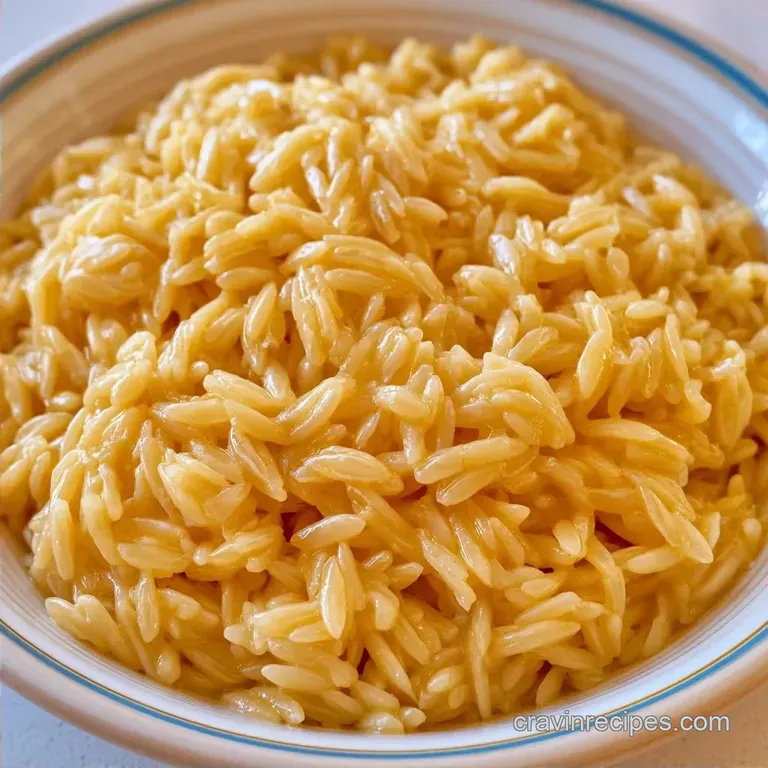
- Time: 5 min active + 15 min cook
- Flavor/Texture Hook: Zesty, glossy, and hearty
- Perfect for: Busy weeknight dinners or a quick side dish
The smell of butter browning in a skillet is one of those things that just makes a house feel like a home. I remember the first time I tried skipping the toasting step because I was in a rush, and the result was just... mush. It lacked that distinct, toasted flavor that makes the dish pop.
Since then, I've stuck to the method of frying the pasta grains first. It's a small move that changes everything. This Lemon Butter Orzo Pasta is my go to when I have exactly 20 minutes to get dinner on the table but don't want to eat something boring.
You can expect a dish that's rich but balanced by the bright hit of fresh lemon. It's hearty enough to be a main or light enough to sit next to a piece of grilled fish.
Why Most Recipes Fail
A lot of people treat orzo like regular pasta, boiling it in a massive pot of water and draining it. That's where the flavor goes. When you boil and drain, you lose all the starch that makes the sauce cling to the pasta.
The Toasting Trick: Sautéing the dry orzo in butter creates a toasted shell on each grain. This prevents the pasta from turning into a porridge like mess and adds a deep, nutty taste.
The Cold Butter Finish: Stirring in chilled butter at the very end creates a stable emulsion. It's the same logic used in French sauces to get that glossy look without adding heavy cream.
| Method | Time | Texture | Best For |
|---|---|---|---|
| Stovetop | 20 mins | Glossy and tender | Weeknight meals |
| Oven Baked | 35 mins | Slightly firmer | Large crowds |
What Each Ingredient Does
| Ingredient | What It Does | Best Swap |
|---|---|---|
| Orzo Pasta | Provides the hearty base | Arborio rice (add 5 mins cook time) |
| Chicken Broth | Adds savory depth and moisture | Vegetable broth (for vegetarian) |
| Lemon Juice | Cuts through the butter fat | White wine (for a sharper tang) |
| Parmesan | Thickens and adds saltiness | Pecorino Romano (saltier) |
Shopping List Breakdown
- 1.5 cups (300g) dried orzo pasta Why this? Small shape absorbs broth quickly
- 2 tbsp (28g) unsalted butter (for toasting) Why this? Fat prevents sticking
- 2 cloves (6g) garlic, minced Why this? Adds aromatic base
- 2.5 cups (590ml) chicken broth Why this? More flavor than water
- 0.5 tsp (3g) kosher salt Why this? Balances the lemon acidity
- 3 tbsp (42g) unsalted butter, chilled and cubed Why this? Creates the glossy emulsion
- 1 large lemon (zested and 2 tbsp fresh juice) Why this? Fresh is non negotiable here
- 0.25 cup (10g) fresh Italian parsley, finely chopped Why this? Adds a fresh, herbal finish
- 0.33 cup (30g) freshly grated Parmesan cheese Why this? Melts into the sauce
Essential Kitchen Tools
You don't need a fancy setup for this, but a 12 inch deep skillet is the way to go. The wide surface area lets the orzo toast evenly without crowding. A fine grater for the Parmesan is also helpful because pre shredded cheese has cornstarch that can make the sauce grainy.
Bringing It Together
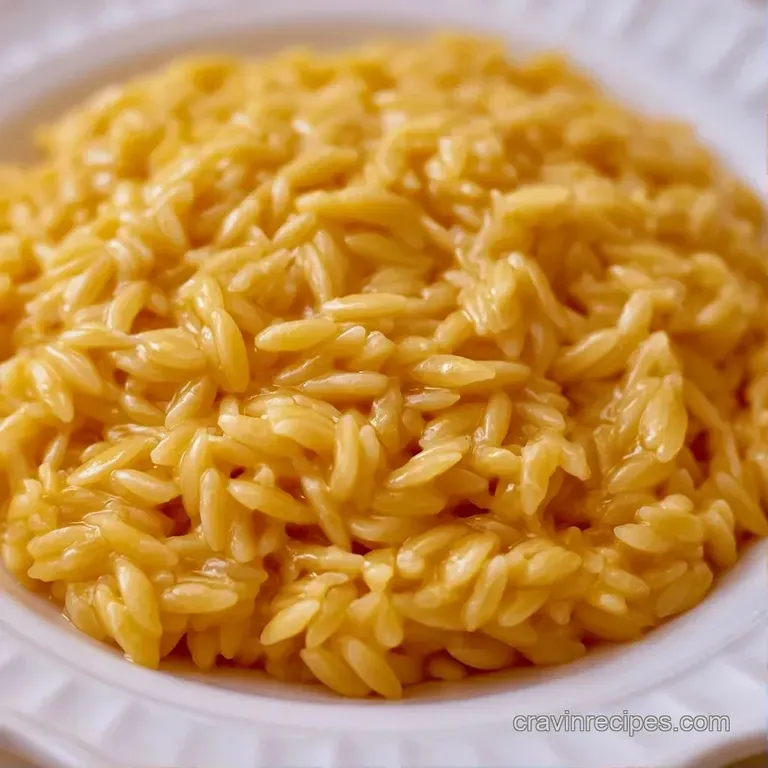
Phase 1: Toasting for Texture
Melt 2 tbsp (28g) of butter in your skillet over medium heat. Add the dry orzo and stir constantly for 3-5 minutes until the grains turn light golden brown and smell nutty. Stir in the minced garlic for the final 30 seconds until it's fragrant.
Phase 2: The Controlled Simmer
Pour in the chicken broth and salt. Bring the liquid to a gentle simmer, then immediately drop the heat to low. Cover the pan and cook for 8-10 minutes until the liquid is mostly absorbed and the grains are tender but al dente.
Phase 3: The Silky Finish
Remove the pan from the heat entirely. Stir in the cubed chilled butter, lemon juice, lemon zest, and Parmesan cheese. Fold in the chopped parsley and stir vigorously for about a minute until the butter melts and creates a glossy, creamy coating.
Chef Note: If you're using a over high heat stove, make sure the pan is off the burner before adding the cold butter. If the pan is too hot, the butter will break and become greasy instead of creamy.
Avoiding Common Blunders
The most common issue is the "pasta mush" effect. This usually happens if you stir the pasta too much while it's simmering. The friction releases too much starch too quickly, turning the dish into a thick paste. Just cover it and let the heat do the work.
Another problem is the sauce separating. This happens when the butter is added to boiling liquid. For a stable finish, you need the temperature to drop slightly before the fat is introduced.
Why Your Orzo is Too Dry
If the liquid evaporates too fast, the pasta stays hard. This is usually due to a lid that doesn't fit tightly or the heat being too high.
Why Your Sauce is Greasy
If you see beads of oil on top, the butter didn't emulsify. This happens when you overheat the sauce after adding the dairy.
| Problem | Root Cause | Solution |
|---|---|---|
| Mushy grains | Overstirring or overcooking | Reduce simmer time by 1 min |
| Too dry | High heat / loose lid | Stir in 2 tbsp hot broth |
| Greasy sauce | Butter melted too fast | Remove from heat before adding butter |
Ways to Mix It Up
If you want to turn this into a full dinner, you can easily add protein. I love serving this alongside a Chicken Piccata because the capers and lemon in the chicken mirror the flavors in the pasta.
For a nutrient boost, try making a Lemon Butter Orzo with Spinach. Just fold in two handfuls of baby spinach during the final stirring phase. The residual heat will wilt the leaves in about 30 seconds without overcooking them.
If you're looking for a heartier meal, you can sauté diced chicken breast in the pan before you start toasting the orzo. Remove the chicken, toast the pasta, and then stir the chicken back in at the end. For a dairy-free swap, use a high-quality vegan butter and nutritional yeast instead of Parmesan. You can even add a pinch of my smoky spice blend to give it a bit of an earthy twist.
Storage and Waste Tips
Keep leftovers in an airtight container in the fridge for up to 3 days. Since the pasta absorbs liquid as it sits, you'll notice it gets thicker. When reheating, add a splash of water or broth to loosen it back up.
This dish doesn't freeze well because the butter emulsion breaks and the starch can get grainy. It's better to make fresh batches.
To avoid waste, don't toss your lemon rinds. I put mine in a jar with vodka or white vinegar to make a quick citrus cleaner. Also, if you have leftover Parmesan rinds, throw them into your next pot of soup for an easy flavor boost. According to Serious Eats, the rinds are packed with umami that deepens any savory broth.
Best Serving Ideas
This Lemon Butter Orzo Pasta works as a side for almost any protein. Grilled shrimp or seared scallops are natural partners. If you want to keep it vegetarian, roast some asparagus or broccoli with salt and pepper.
For a presentation upgrade, serve it in a shallow bowl and top with a few extra shavings of Parmesan and a fresh sprig of parsley. It's a simple dish, but the glossy finish makes it look like you spent way more time on it than you actually did. Trust me, the toasting step is the real hero here.
Recipe FAQs
What is orzo in Italian cuisine?
It is a small, rice shaped pasta. Despite its appearance, it is made from wheat and behaves like other pasta shapes during the cooking process.
What is a good substitute for orzo?
Arborio rice or pearled couscous are the best options. Arborio rice provides a similar starchiness, while couscous mimics the small grain size.
Can you replace orzo and Parmesan with brown rice?
No, the texture and flavor will change significantly. Brown rice takes much longer to cook and lacks the creamy starch required to bind with the cheese.
Can you make this orzo without butter?
Yes, but it will lack the signature creaminess. Omit both the sautéing and finishing butter, though the resulting sauce will be thinner and less glossy.
Can this be turned into an orzo salad?
Yes, simply let the pasta cool completely. Toss with additional lemon juice and fresh parsley to keep the flavors bright when served cold.
Can you substitute orzo for risotto?
Yes, to create a faster "orzotto." It mimics the creamy consistency of risotto in a fraction of the time; if you enjoyed mastering this creamy emulsion, see how the same principle creates our silky nacho sauce.
How do I reheat leftover lemon butter orzo?
Add a splash of water or chicken broth. Heat gently on the stove or in the microwave to loosen the pasta, as it thickens while refrigerated.
Lemon Butter Orzo Pasta