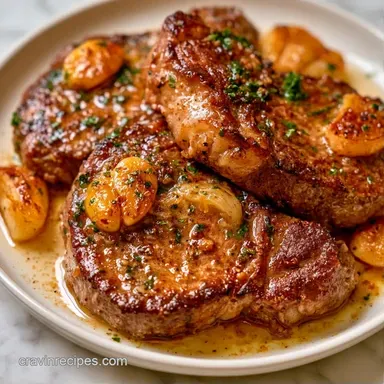
Pan-Seared Chuck Eye Steak with Butter
- Time: 5 min active + 12 min cook
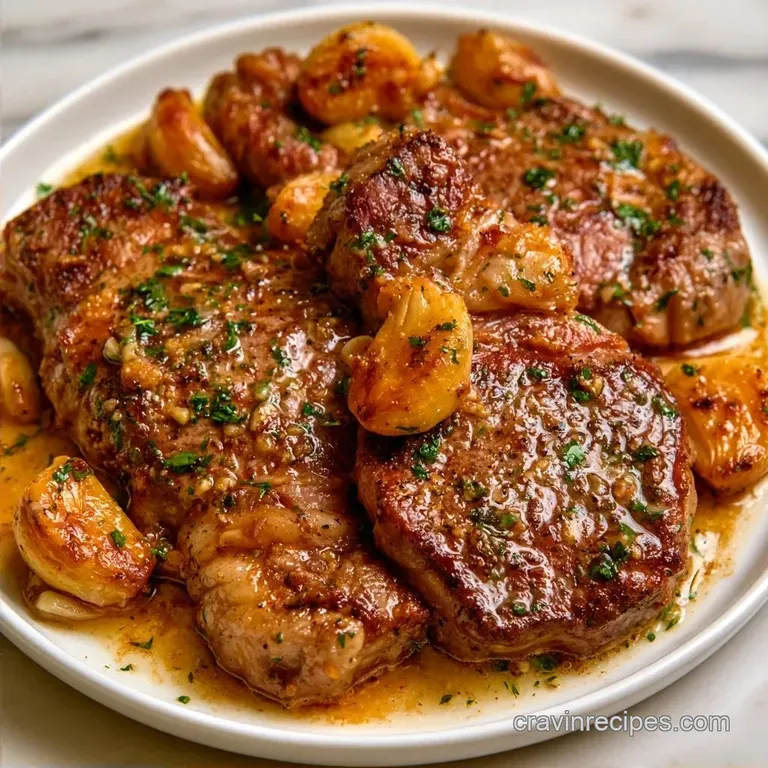
- Flavor/Texture Hook: Deep brown crust and a succulent, tender center
- Perfect for: A simple date night or a satisfying weeknight meal
The moment the meat hits the cast iron, a powerful sizzle fills the kitchen the sound of budget friendly luxury and developing flavor. I used to believe the chuck region was reserved strictly for slow cookers and hearty stews, convinced it was far too tough for a fast sear.
That changed when I discovered the "eye" of the chuck. Positioned right next to the ribeye, it's essentially its more affordable relative. You get similar marbling and tenderness, yet it's priced as a budget cut. It's a fantastic way to experience steakhouse quality without the extravagant cost.
The result is a crust so crisp it nearly snaps under the knife, contrasting with a tender, juicy center. No specialized gear is needed just a scorching hot pan and a bit of time. Here is how to master it.
Pan Seared Chuck Eye Steak Guide
The Eye Cut: This part of the shoulder doesn't do much work, so it stays tender like a ribeye instead of getting tough like a roast.
High Heat: A screaming hot pan browns the proteins quickly, which creates a deep crust without overcooking the middle.
Butter Basting: Spooning hot, garlic infused butter over the meat adds a rich finish and ensures the steak stays moist.
| Goal | What to change |
|---|---|
| More Rare | Reduce sear to 2-3 mins per side |
| Extra Crust | Pat meat drier and use more oil |
| Milder Flavor | Swap rosemary for thyme or parsley |
But what about the tenderness? Since this is a budget smart cut, the key is not overcooking it. Treat it exactly like a prime steak, and it'll reward you.
Gather Your Ingredients
Choose steaks approximately an inch thick; if they're too thin, they will overcook before a proper crust develops. I recommend unsalted butter for basting so you can manage the salt levels yourself.
- 2 (8 oz) chuck eye steaks Why this? Great marbling at a lower price
- 1 tsp kosher salt Why this? Large grains effectively draw out moisture
- 1/2 tsp coarse black pepper Why this? Offers a sharp, woody flavor
- 1 tbsp neutral oil Why this? Stable at high temperatures, won't scorch
- 3 tbsp unsalted butter Why this? For a rich, nutty baste
- 3 cloves garlic, smashed Why this? Adds a fragrant aroma to the butter
- 2 sprigs fresh rosemary Why this? A timeless, piney pairing
| Original Ingredient | Substitute | Why It Works |
|---|---|---|
| Neutral Oil | Avocado Oil | Similar heat tolerance. Note: Very mild taste |
| Rosemary | Fresh Thyme | Offers similar earthy tones. Note: Slightly more subtle |
| Unsalted Butter | Ghee | Higher smoke point. Note: No milk solids for browning |
Quick Recipe Specs
This method ensures a speedy result. There is no need to marinate the meat for hours, as the fat content provides the necessary richness and flavor.
- Prep time:5 minutes
- Cook time:12 minutes
- Total time:22 minutes
- Yield: 2 servings
Essential Kitchen Tools
You can use a stainless steel pan, but cast iron is the gold standard here. It holds heat better, which means the steak doesn't cool the pan down the second it hits the surface.
- Cast iron skillet (10 or 12 inch)
- Tongs (avoid forks to prevent poking holes in the meat)
- Paper towels (crucial for drying the steak)
- Meat thermometer (the only way to be 100% sure of doneness)
Step-by-step Cooking
Phase 1: The Prep
- Pat the steaks completely dry with paper towels. Note: Wet meat steams; dry meat sears
- Rub salt and pepper generously into both sides and the edges.
- Let the steaks sit at room temperature for 15–20 minutes. Note: This prevents the center from staying raw
Phase 2: The over High heat Sear
- Heat a cast iron skillet over medium high heat with neutral oil until the oil shimmers and just starts to smoke.
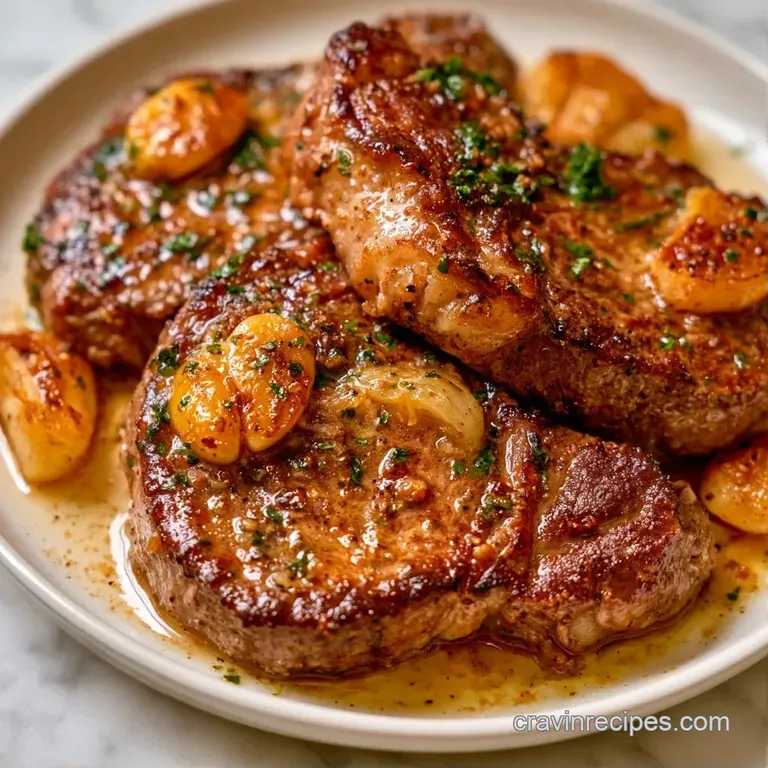
- Place steaks in the pan and sear undisturbed for 3–4 minutes until a deep mahogany crust forms.
- Flip the steaks and sear the second side for another 3–4 minutes.
Phase 3: The Butter Baste & Finish
- Add butter, smashed garlic, and rosemary to the pan.
- Spoon the foaming browned butter over the steaks continuously for 2–3 minutes.
- Remove steaks from the pan and let them rest for 5 minutes before serving. Note: This lets the juices redistribute
Fixing Common Issues
When I first started cooking these, my steaks often came out grey. I realized I was crowding the pan, which dropped the temperature and caused the meat to boil in its own juices. Keep a little space between the steaks.
Grey Meat Instead of Brown
This happens if the pan isn't hot enough or you put too many steaks in at once. You need that violent sizzle immediately.
Burnt Butter Smell
If the butter turns black, your heat is too high for the basting phase. Move the pan slightly off the heat source while spooning.
Raw Center and Burnt Outside
Your heat is too aggressive. Use a slightly lower setting or use a meat thermometer to pull the steak at 130°F (54°C) for medium rare.
| Problem | Fix |
|---|---|
| Grey steak | Heat pan until oil smokes before adding meat |
| Burnt butter | Lower heat slightly before adding butter/garlic |
| Tough meat | Let the steak rest for 5 full minutes |
Storage and Leftovers
Keep any leftovers in a glass dish in the refrigerator for no more than 3 days. To maintain the ideal texture, avoid using a microwave; instead, warm the steak in a pan over low heat with a small knob of butter.
To reduce waste, don't discard the fat renderings. I love using that flavorful oil to roast potatoes or sauté spinach. If you cut these eye steaks from a larger piece of chuck, the remaining shoulder meat is perfect for a braised chuck steak, which makes for a comforting Sunday meal.
Serving Your Steak
I like to keep the sides simple so the meat stays the star. A pile of garlic mashed potatoes or some charred asparagus works best. Because the butter baste is so rich, a side of something acidic like a wedge salad or pickled onions cuts through the fat perfectly.
For a more comforting meal, serve it with a side of buttered carrots. The richness of the Pan Seared Chuck Eye Steak pairs well with the natural sweetness of the vegetables.
Swaps and Twists
To customize the taste, try substituting the rosemary with fresh sage and adding a bit of Worcestershire sauce while basting. This gives the beef a more intense, savory depth.
For a spicy alternative, a similar cut of beef is ideal for chuck steak fajitas.
If butter isn't available, high-quality olive oil works as a finish, though you'll forfeit the nutty fragrance; just be mindful of the smoke point. Another option is to top the steak with a tablespoon of blue cheese the moment it leaves the pan, allowing the residual heat to melt it into a rich, bistro style sauce.
Very High in Sodium
1162 mg 1,162 mg of sodium per serving (51% 51% of daily value)
The American Heart Association recommends a limit of 2,300mg of sodium per day for most adults to maintain heart health.
Tips to Reduce Sodium
-
Reduce Kosher Salt-25%
Cut the kosher salt in half or omit it entirely; since it is the primary sodium source, this provides the biggest impact.
-
Swap for Salt Free Seasoning-20%
Replace the salt with a salt free steak rub or a combination of smoked paprika and onion powder for a savory crust.
-
Brighten with Acid-15%
Squeeze fresh lemon juice or a drizzle of balsamic glaze over the steaks after resting to enhance flavor without adding sodium.
-
Maximize Aromatics
Double the amount of fresh rosemary and smashed garlic to increase the savory profile and depth of flavor naturally.
Recipe FAQs
Does chuck eye steak work well for pan frying?
It is an excellent choice due to its high fat content and tenderness.
Tip: trim any excessively thick outer fat caps before seasoning.
How to cook chuck eye steak for best results?
Sear in a cast iron skillet over medium high heat for 3 4 minutes per side.
Tip: spoon foaming butter and garlic over the meat during the final few minutes.
Which fat is better for pan searing: butter or oil?
Start with neutral oil for the high heat sear and finish with butter for flavor.
Tip: wait until the oil shimmers and just starts to smoke before adding the beef.
Can I use a different beef cut if chuck eye is unavailable?
Ribeye is the closest match in flavor and texture.
Tip: if you prefer other shoulder cuts, try an easy chuck steak approach for a similar experience.
Why did my steak turn out chewy or tough?
Overcooking the meat beyond medium or skipping the rest period often causes toughness.
Tip: let the steaks rest for 5 minutes to allow juices to redistribute.
What is the best way to reheat leftovers without drying them out?
Place the steak in a pan over low heat with a small amount of butter.
Tip: avoid the microwave as it overcooks the proteins and makes the meat rubbery.
Is it true that reverse searing is required for this cut?
Not true. This steak is thin enough to be cooked entirely in a pan.
Tip: stick to the pan-sear method to ensure a deep mahogany crust.
Pan Seared Chuck Eye Steak