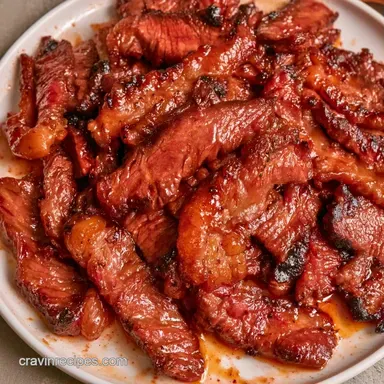
Pan-Seared Chuck Steak Fajitas
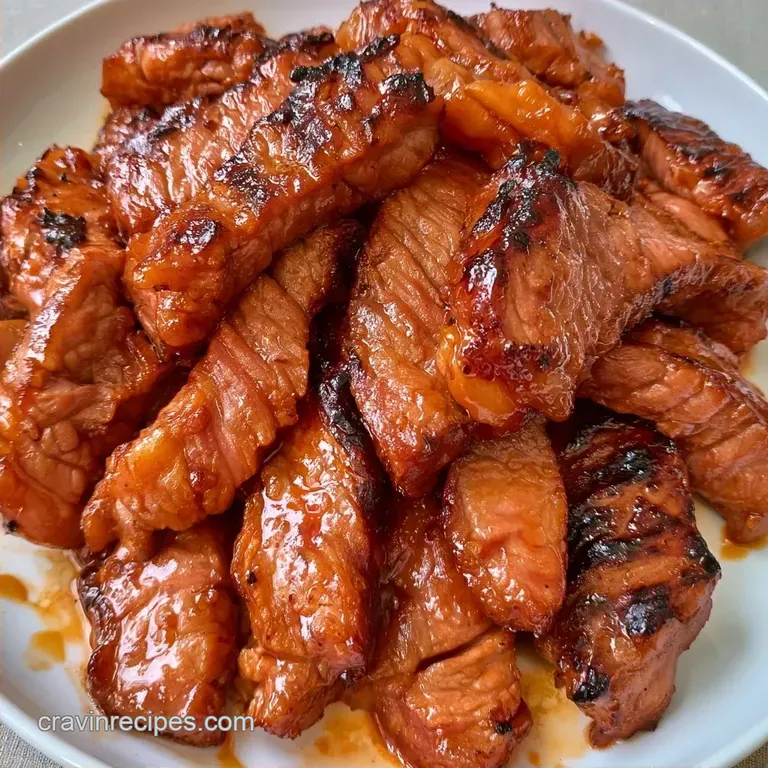
- Time: 10 min active + 15 min cook + 15 min marinating
- Flavor/Texture Hook: Charred, smoky beef with crisp tender peppers
- Perfect for: Family weeknight dinners or a Budget-friendly feast
The sizzle of beef hitting a smoking hot cast iron skillet is the best sound in the kitchen. I remember a Friday night a few years back when I tried to feed the whole family on a budget. I grabbed a boneless chuck steak, but I didn't think about how to cut it.
I ended up with meat that felt like chewing on a rubber band, and the peppers were mushy.
It was a total letdown, but it taught me exactly how this cut works. You can't treat chuck like a ribeye. You have to work with the muscle fibers and use intense heat to get that mahogany crust. Once I figured that out, these Chuck Steak Fajitas became a staple in my house.
Now, this recipe is all about speed and heat. We're taking a hardworking piece of beef and using a zesty marinade to tenderize it just enough for a flash fry. You'll get those bold, smoky flavors and meat that actually gives way when you bite into it.
Hearty Chuck Steak Fajitas
This method succeeds because of the specific physics of the meat. While many treat every cut of steak identically, chuck requires a different approach. To ensure these Chuck Steak Fajitas stay tender, you must prioritize the grain and the pan's temperature.
Slicing Against the Grain: Cutting perpendicular to the muscle fibers reduces the chew, making the meat feel much more tender. High Heat Searing: A scorching pan develops a crust quickly, which prevents the interior from overcooking and becoming tough.
For a meal that spends a bit more time in the oven, you might enjoy these chuck steak tacos, but the skillet is the ideal choice for a fast dinner.
Recipe Specs
Here are the timing details. Once the chopping is finished, everything comes together quickly.
- Prep time:10 minutes
- Cook time:15 minutes
- Total time:40 minutes
- Yield: 4 servings
The Essential Ingredients
The marinade is where the flavor builds. Lime juice is used to tenderize the beef's tougher fibers, while smoked paprika provides that characteristic open flame taste.
Boneless chuck is the ideal choice here; it's cost effective and contains enough fat to remain succulent during a high heat sear. For the vegetables, white onion and bell peppers offer a sweet, charred balance to the savory, spiced beef.
Main Components 1.5 lb boneless chuck steak, sliced thin against the grain Why this? Budget friendly and flavor packed 3 large bell peppers, sliced into strips Why this? For sweetness and vibrant color 1 large white onion, sliced into half
Moons Why this? Creates a pungent, savory foundation 8 medium flour or corn tortillas Why this? The traditional way to serve fajitas 1/2 cup fresh cilantro, chopped Why this? A bright contrast to the rich meat 1 lime, cut
Into wedges Why this? A final touch of zesty acidity
The Marinade & Oil 3 tbsp olive oil Why this? Helps the spices penetrate the meat 2 tbsp fresh lime juice Why this? Acts as a natural tenderizer 3 cloves garlic, minced Why this? Provides a bold aromatic
Base 1 tsp ground cumin Why this? For an earthy, classic taste 1 tsp smoked paprika Why this? Brings a deep, smoky quality 1/2 tsp chili powder Why this? For a hint of warmth 1 tsp kosher salt Why
This? Brings out all the seasonings 1/2 tsp black pepper Why this? Fundamental seasoning 2 tbsp neutral oil Why this? Handles high heat without burning
- Flour Tortillas
- Switch to corn tortillas for a gluten-free alternative. Note: Warm corn tortillas in a skillet first to prevent them from cracking.
- Chuck Steak
- Flank steak is a great leaner alternative. Note: Flank is more expensive and can dry out more quickly.
- Bell Peppers
- Try poblano peppers for a richer, smokier heat.
Tools for the Job
While a professional kitchen isn't necessary, using the right equipment can significantly improve the results.
I highly recommend a cast iron skillet. Its superior heat retention is the secret to achieving that restaurant quality char on these Chuck Steak Fajitas. A thick stainless steel pan is a solid alternative, but try to avoid non-stick cookware, as it typically can't withstand the intense heat required for a deep sear.
Additionally, make sure your chef's knife is sharp. Because you need to slice the beef very thinly against the grain, a dull blade will likely tear the meat and spoil the texture.
Cooking Flow Guide
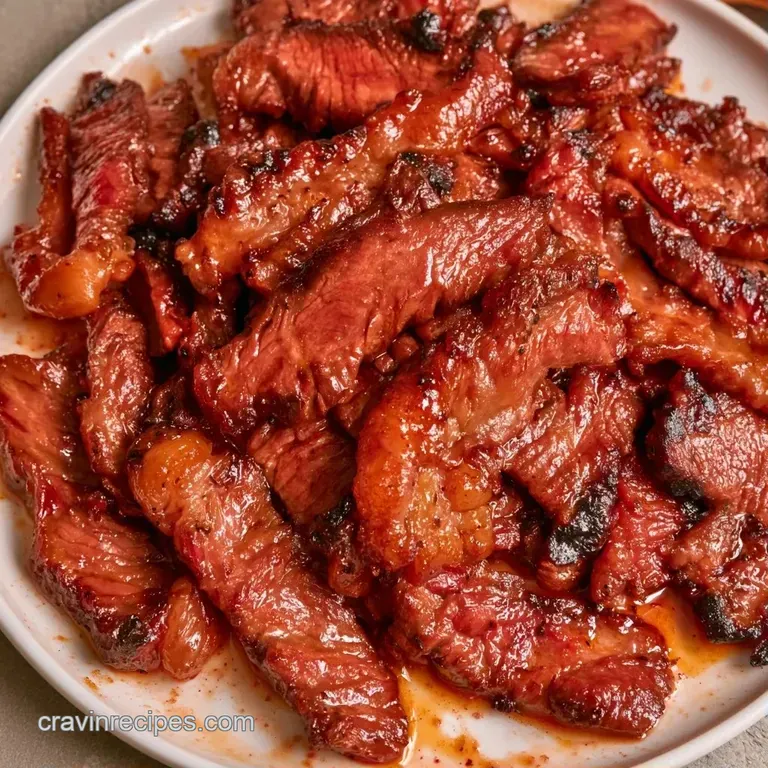
Let's crack on with the cooking. The goal here is to keep the meat from steaming in its own juices.
1. The Precision Prep
Pat the boneless chuck steak dry with paper towels. This is a big deal, as moisture on the surface prevents browning. Identify the direction of the muscle fibers (the grain) and slice the beef into thin strips, roughly 1/4 inch thick, cutting perpendicular to those fibers.
2. Mixing the Marinade
In a large bowl, whisk together the olive oil, lime juice, garlic, cumin, smoked paprika, chili powder, salt, and pepper.
3. Flavor Soak
Toss the beef in the marinade and let it sit for at least 15 minutes at room temperature. Note: This lets the lime juice start tenderizing the fibers.
4. Heating the Pan
Place a cast iron skillet over high heat until the pan is wispy smoking. Add 1 tbsp of neutral oil.
5. The First Sear
Working in two batches to avoid overcrowding, add half the beef strips in a single layer. Cook 2 mins until a dark brown crust forms. Flip and cook 1-2 mins more. Remove beef to a plate.
6. The Second Sear
Repeat the process with the remaining beef. Ensure the pan stays hot between batches.
7. Sautéing Veggies
In the same pan, add the remaining 1 tbsp of neutral oil. Toss in the onions and bell peppers. Sauté for 4-5 minutes, stirring occasionally, until the edges are charred but the veggies still have a snap.
8. The Final Toss
Return the beef and any juices on the plate back into the pan. Toss for 30 seconds to combine and remove from heat immediately.
9. Plating
Serve immediately with warm tortillas, chopped cilantro, and lime wedges.
Fixing Common Issues
Even a straightforward process can run into trouble, and the culprit is often heat control.
If your beef appears grey and boiled rather than seared, you likely overcrowded the pan. Adding too much meat at once causes the temperature to plunge and the beef to release moisture, resulting in a simmer rather than a brown crust.
Another frequent problem is tough meat. This typically occurs when you slice with the grain. Identify the muscle fibers before cutting and slice perpendicular to them, much like cutting a log into round discs.
| Problem | Root Cause | Solution |
|---|---|---|
| Tough, chewy beef | Sliced with the grain | Slice perpendicular to muscle fibers |
| Steamed, grey meat | Pan overcrowded | Cook beef in two separate batches |
| Burnt spices | Heat too high/no oil | Use neutral oil and stir veggies often |
| Soggy peppers | Overcooked vegetables | Remove from heat while they still have a snap |
Mix It Up
These Chuck Steak Fajitas are a great base for different flavors. I often tweak the seasoning depending on who I'm cooking for.
For a more intense kick, I add two sliced jalapeños to the pan with the onions. If you want a more "Tex Mex" style, add a pinch of brown sugar to the marinade. The sugar caramelizes under the high heat and balances the acidity of the lime.
If you're trying to eat fewer carbs, skip the tortillas and serve the beef and peppers over a bed of shredded romaine lettuce. You can also try my braised chuck steak for a more comforting, slow cooked alternative on a rainy day.
| Goal | What to change | Result |
|---|---|---|
| More Tenderness | Marinate for 4 hours | Lime juice breaks down more fiber |
| Extra Heat | Add sliced jalapeños | Spicier, punchier flavor |
| Lower Fat | Use avocado oil | Higher smoke point, cleaner taste |
Keeping Leftovers Fresh
If you have leftovers, store the beef and vegetable mix together in a glass container. They'll stay good in the fridge for 3 days.
To reheat, I avoid the microwave because it makes the beef rubbery. Instead, toss the leftovers back into a hot skillet for 2-3 minutes with a splash of water or lime juice. This brings back the sear without overcooking the meat.
For zero waste, if you have leftover marinade in the bowl, don't use it on fresh meat. However, you can simmer it in a small pot for 5 minutes to kill any bacteria and use it as a glaze for roasted carrots or potatoes.
How to Serve
The best way to serve Chuck Steak Fajitas is on a large platter in the center of the table. It makes the meal feel like an event.
I like to keep the tortillas warm in a cloth lined basket. For toppings, don't overcomplicate it. A dollop of sour cream, some diced avocado, and a sprinkle of cotija cheese are all you need.
If you're serving a crowd, try a "fajita bar" setup. Put the beef and peppers in one dish, and let everyone build their own. This is especially helpful for families with picky eaters who might want more onions or no cilantro.
USDA guidance suggests reheating beef to an internal temperature of 165°F for safety, though for a quick stir fry, a hot sear is usually enough. Enjoy your hearty, no fuss meal!
Recipe FAQs
Can chuck steak work for fajitas?
Yes, it is a fantastic budget friendly choice. When sliced thin and seared at high heat, it delivers a rich flavor similar to more expensive cuts.
Is it true that only skirt steak is suitable for fajitas?
This one's false: Chuck steak works beautifully if you use the correct slicing technique. It allows you to get a hearty, beefy result without the high price of skirt steak.
Which cuts are typically used in Mexican fajitas?
Skirt and flank steak are the traditional go-tos. However, any cut from the shoulder works well as long as you cut across the muscle fibers.
How do I cook beef chuck on a stove?
Heat a cast iron skillet until it is wispy smoking. Add neutral oil and sear the beef strips in two batches to avoid overcrowding the pan and steaming the meat.
Why is slicing against the grain necessary?
It breaks up the tough muscle fibers. Cutting perpendicular to the grain ensures every bite is tender rather than rubbery.
What other ways can I prepare chuck beef?
Slow cooking is a great alternative for this cut. If you prefer a braised texture, try a slow cooker roast for a different meal.
Does marinating for too long affect the meat?
Yes, too much acid can make meat mushy. The lime juice tenderizes the beef, but leaving it for several hours can break down the fibers too much.
Chuck Steak Fajitas